What This Document Is
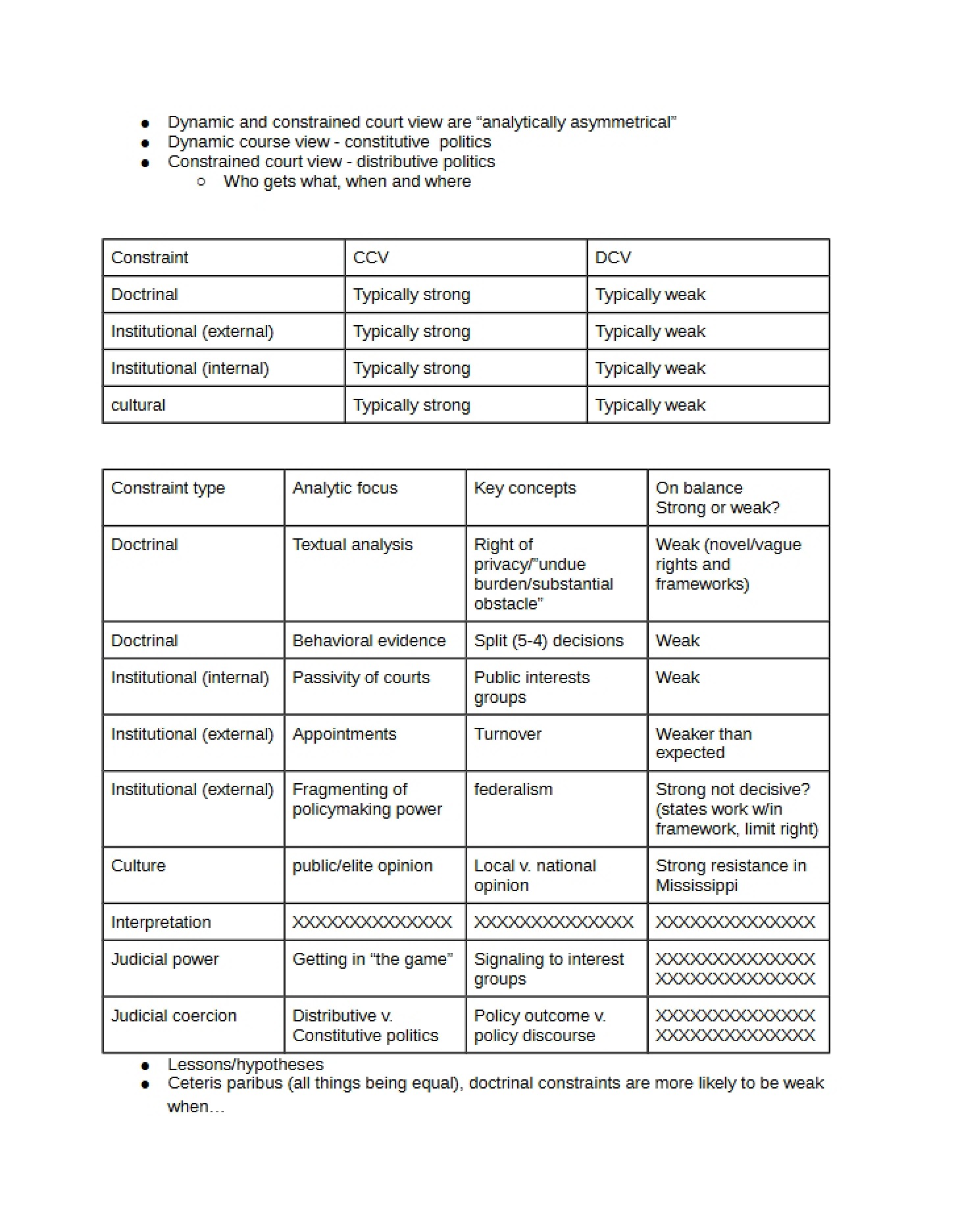
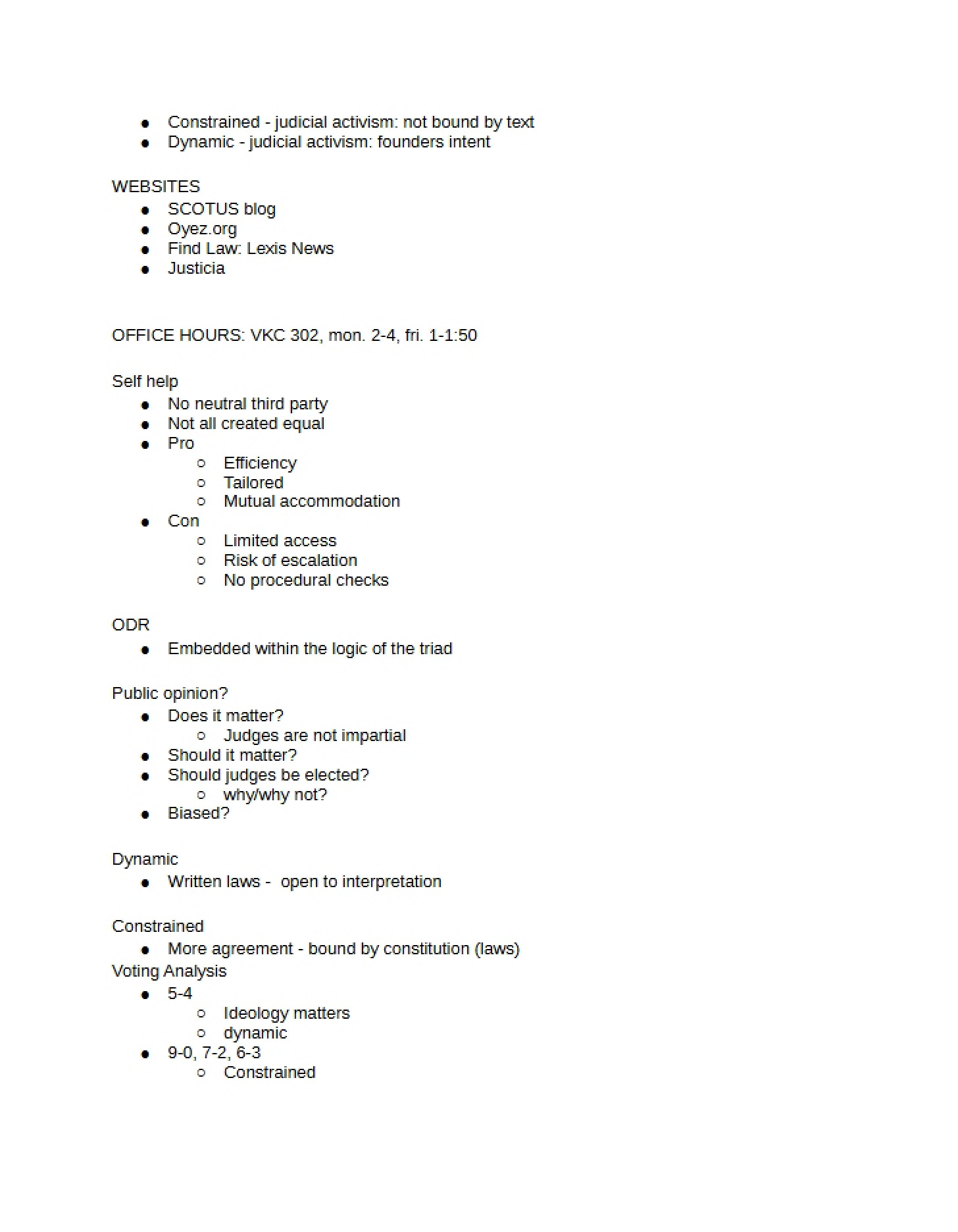
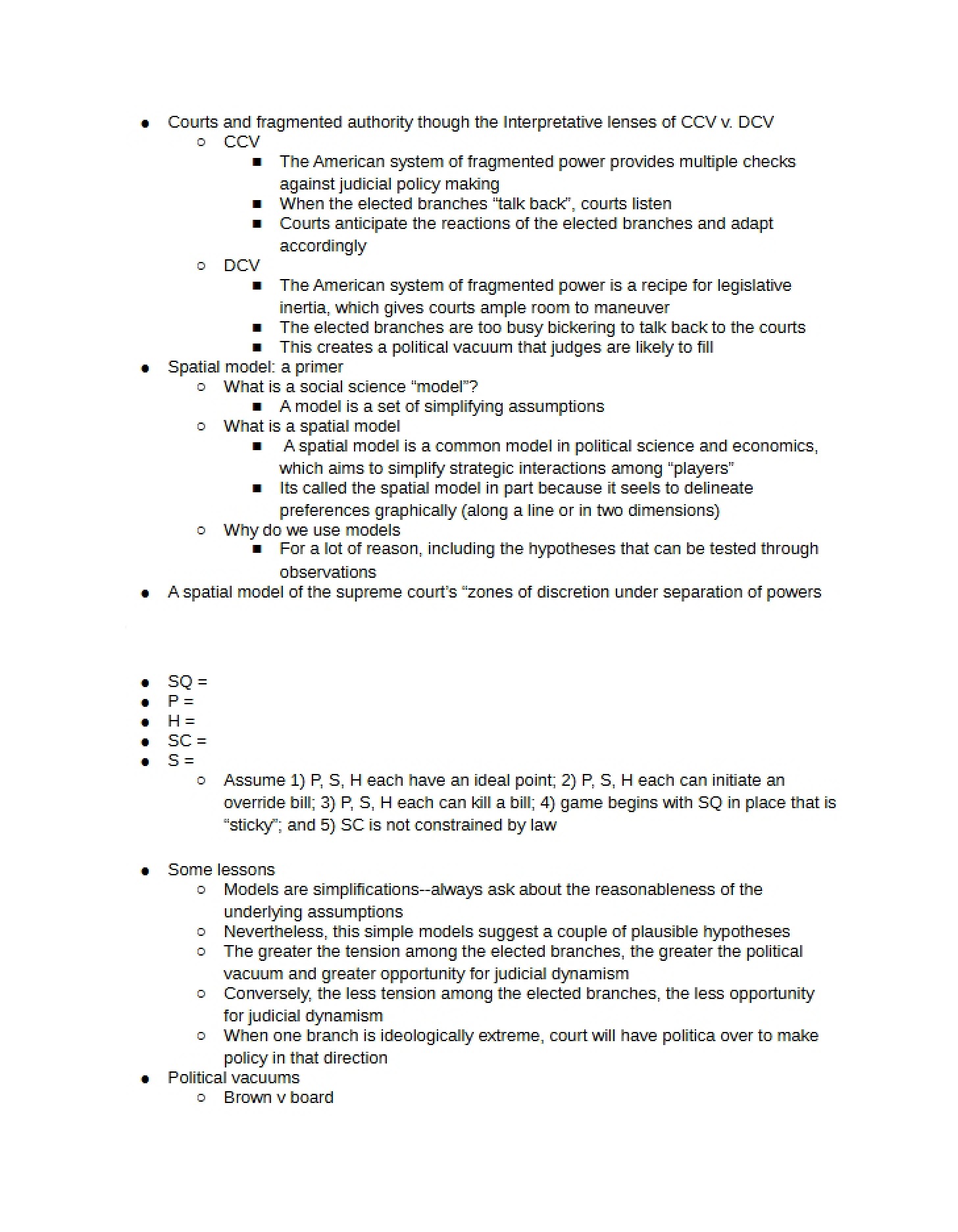
This material represents lecture notes from a University of Southern California Law, Politics, and Public Policy (POSC 130) class session held on February 23rd. It delves into comparative analyses of legal processes, specifically focusing on different approaches to dispute resolution and the administration of justice. The core subject matter centers around examining various models – ranging from more streamlined, politically-driven systems to those characterized by extensive legal checks and balances. It explores the trade-offs inherent in each approach, considering factors like efficiency, fairness, and resource allocation.
Why This Document Matters
Students enrolled in POSC 130, or those studying related fields like political science, law, and public administration, will find this resource particularly valuable. It’s ideal for reinforcing understanding of complex legal concepts discussed in class, preparing for broader discussions on the role of law in society, and gaining insight into the practical realities of legal systems. Individuals interested in the interplay between political structures and legal outcomes will also benefit from the comparative framework presented. This material is best used *in conjunction* with course readings and lectures to build a comprehensive understanding.
Common Limitations or Challenges
This resource is a snapshot of a single class session and does not constitute a complete course syllabus or a substitute for required readings. It focuses on a specific comparative analysis and does not offer exhaustive coverage of all legal systems or dispute resolution methods. The notes are designed to aid comprehension of concepts *presented* in class, and won’t provide independent, step-by-step instructions or detailed case studies. It assumes a foundational understanding of legal terminology and political theory.
What This Document Provides
* A comparative overview of different models of legal and political processes.
* An examination of the advantages and disadvantages associated with varying levels of procedural safeguards.
* Discussion points regarding the influence of political considerations versus individual merits in legal outcomes.
* Analysis of the dynamics involved when parties engage in self-help or negotiated resolutions.
* Consideration of the factors influencing decision-making for both defendants and prosecutors.