What This Document Is
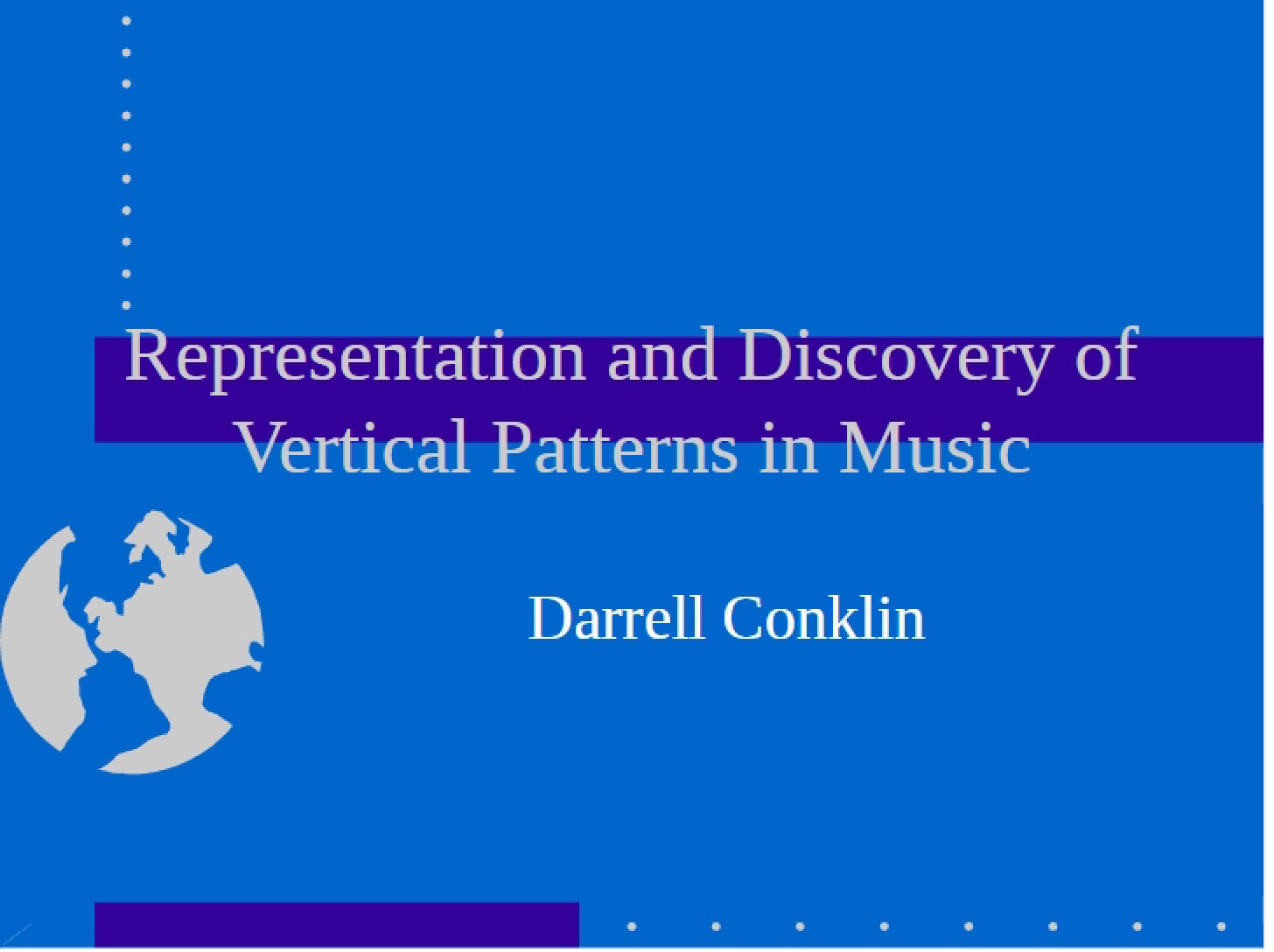
This presentation offers an introduction to “Humdrum,” a specialized system utilized within music information retrieval and computational musicology. It’s a high-level overview designed to familiarize learners with the core components and capabilities of this software toolkit. The focus is on understanding the foundational principles behind Humdrum, rather than a step-by-step guide to its implementation. It delves into the system’s architecture, distinguishing between its syntax – the language used to represent musical data – and the toolkit itself – the collection of programs that process that data.
Why This Document Matters
Students enrolled in advanced music technology courses, particularly those focusing on digital musicology, computational analysis of music, or music information retrieval, will find this presentation valuable. It’s especially useful for those beginning research projects that require the encoding, searching, and manipulation of musical scores or data. Understanding Humdrum provides a pathway to more sophisticated analytical techniques and opens doors to exploring a wide range of computational musicology tools. It serves as a crucial starting point before diving into practical application and coding.
Common Limitations or Challenges
This presentation is *not* a comprehensive tutorial. It does not include detailed instructions on installing or running the Humdrum toolkit, nor does it provide hands-on exercises or coding examples. It also doesn’t cover every feature within the system; instead, it highlights a selection of key functionalities. Users should anticipate needing further resources and practical experience to become proficient in using Humdrum for their own projects. It assumes a basic understanding of music theory concepts.
What This Document Provides
* An overview of the core concepts behind the Humdrum system.
* A distinction between Humdrum syntax and the Humdrum toolkit.
* Identification of the types of information that can be encoded using Humdrum.
* Discussion of the system’s search capabilities.
* An introduction to Kern syntax, a specific method for representing musical information.
* Highlights of selected features, including harmonic interval identification and pitch representation techniques.
* A brief overview of MIDI processing capabilities within the Humdrum environment.