What This Document Is
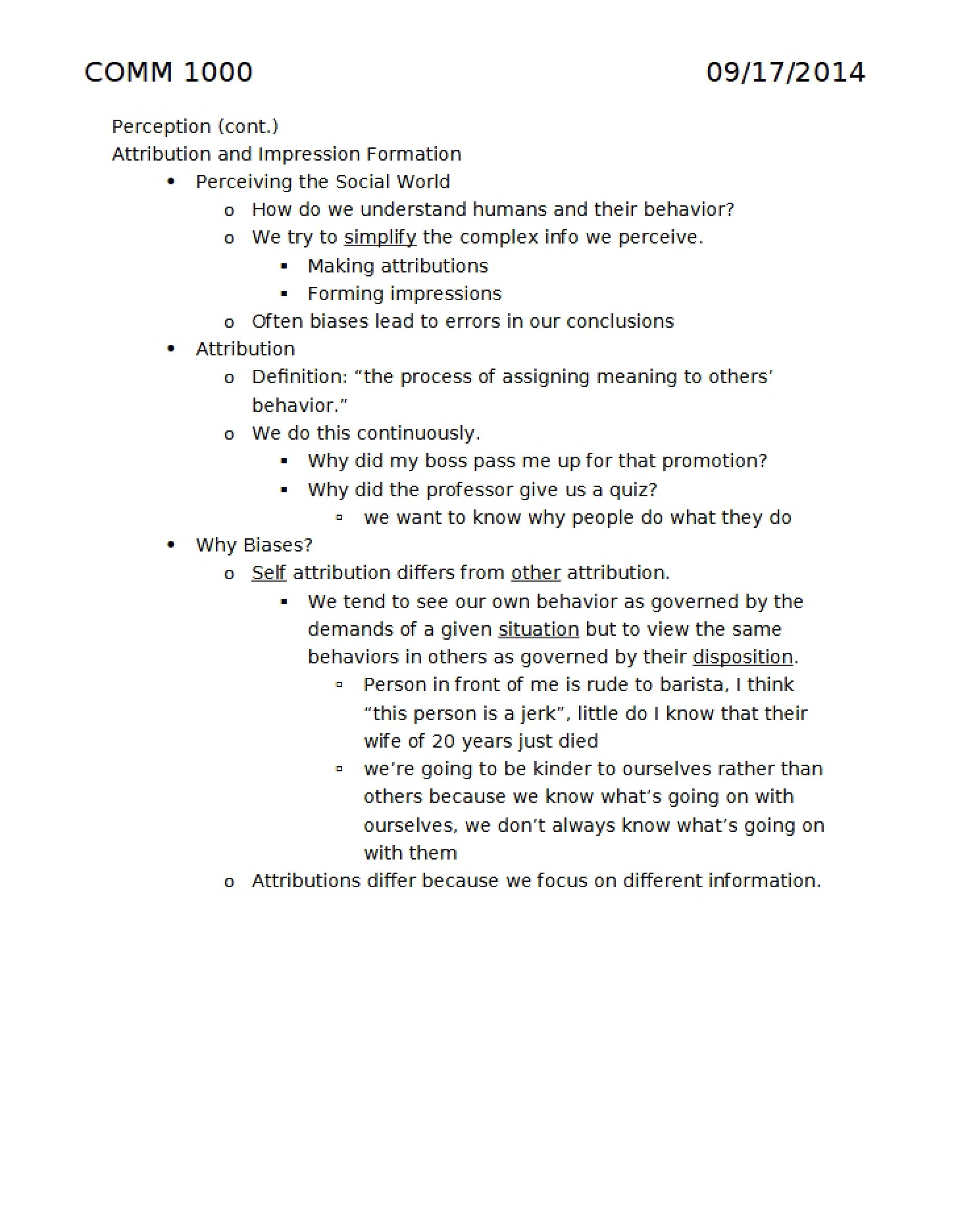
This study guide delves into the fascinating world of perception, a core concept within Communications studies. Specifically, it explores how individuals construct meaning from sensory information, both in relation to the external world and in understanding themselves and others. It’s designed for students seeking a comprehensive understanding of the processes underlying how we interpret experiences and form impressions. This resource is geared towards a university-level Communications course, offering a detailed examination of relevant theories and concepts.
Why This Document Matters
This guide is invaluable for students in Comm 10 (or similar introductory Communications courses) who want to strengthen their grasp of foundational principles. It’s particularly helpful when preparing for discussions, essays, or exams focusing on interpersonal communication, social interaction, and the construction of self and identity. Understanding perception is crucial for effective communication, and this guide provides a solid base for developing those skills. It’s best utilized alongside course lectures and readings to reinforce learning and facilitate deeper comprehension.
Topics Covered
* The fundamental definition of perception and its reliance on sensory input.
* Factors influencing what information we attend to and how we filter stimuli.
* The active nature of perception – how we select, organize, and interpret information.
* The process of self-perception and the formation of self-concept.
* Key theories related to self-concept development, including social comparison.
* The role of self-esteem and its connection to self-perception.
* The impact of perception on interpersonal dynamics and self-fulfilling prophecies.
* Gender’s influence on self-concept.
What This Document Provides
* A detailed exploration of perceptual filters – both physiological and psychological.
* An overview of how individuals actively make sense of their environment.
* Insights into the biases that can affect both self-perception and the perception of others.
* A framework for understanding the relationship between self-concept, social interaction, and communication.
* Discussion of established models and theories related to self and social perception.
* Key definitions and concepts to aid in understanding complex ideas.