What This Document Is
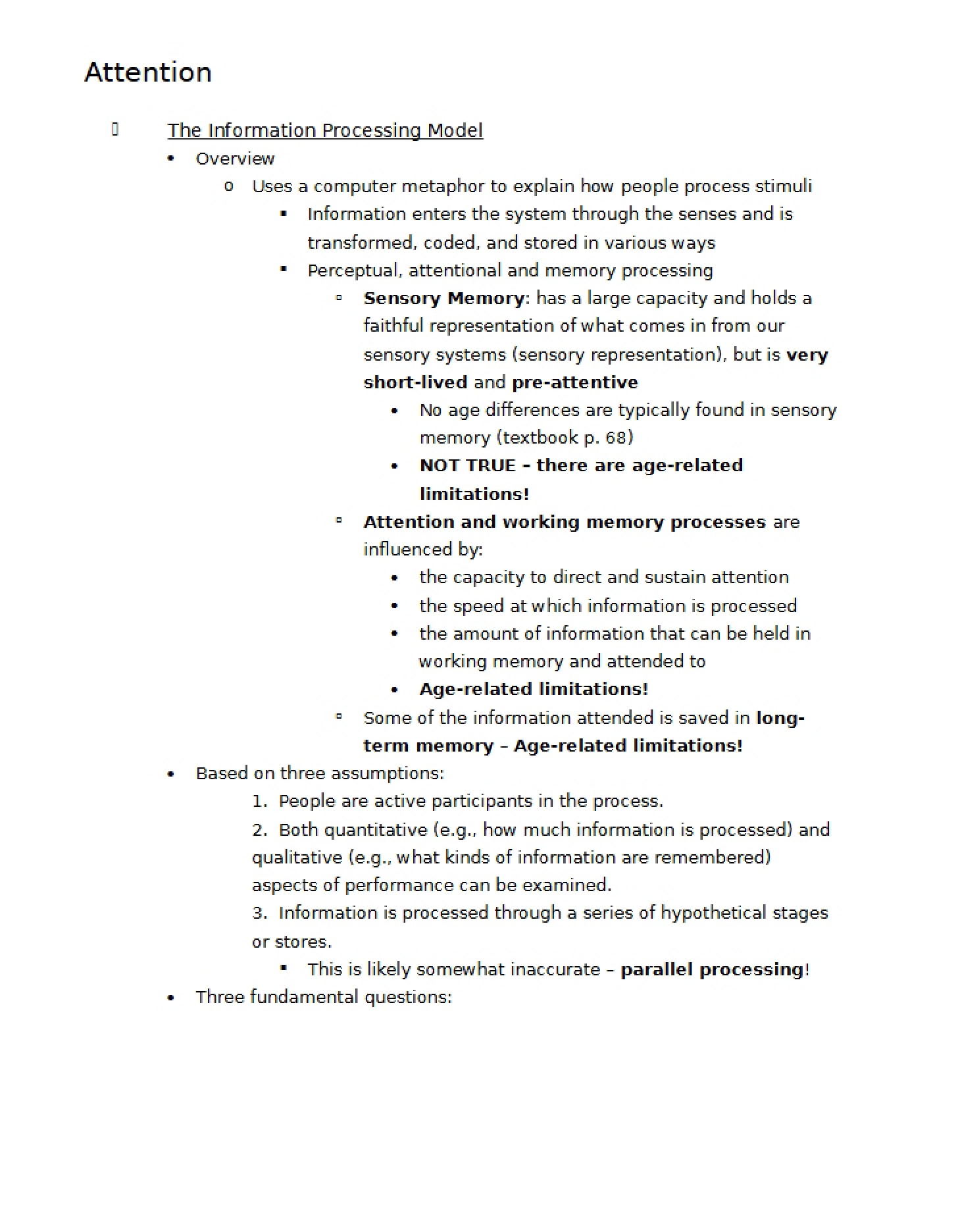
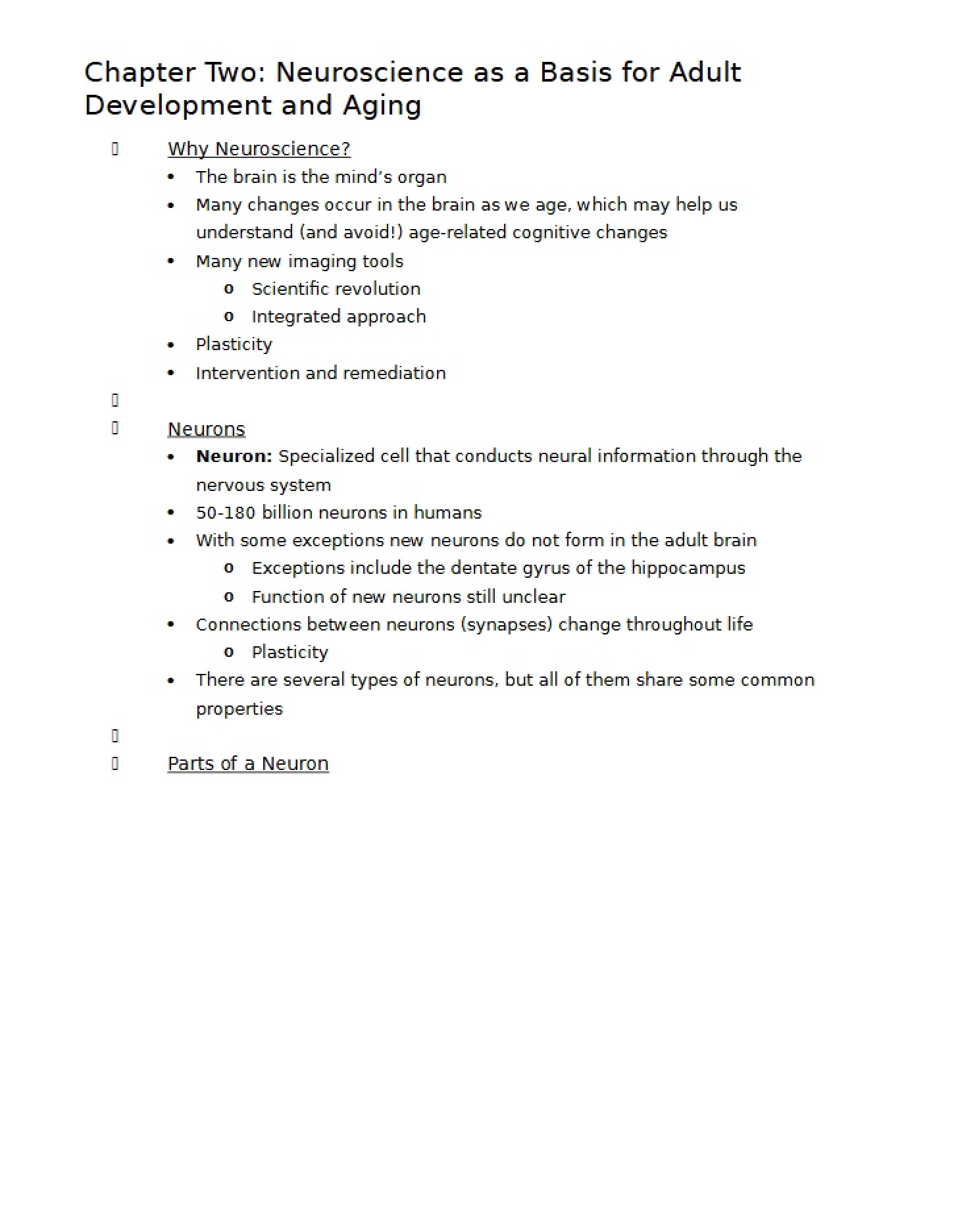
This study guide delves into the intricate processes underlying human memory, specifically within the context of aging. It’s designed for students in advanced psychology courses—like PSYC 361 at the University of Illinois at Urbana-Champaign—seeking a deeper understanding of how memory functions change across the lifespan. The material explores various facets of memory, moving beyond simple definitions to examine the cognitive mechanisms at play. It investigates how different types of memory are affected by age and explores potential factors influencing these changes.
Why This Document Matters
This resource is ideal for students preparing for exams, writing research papers, or simply wanting to solidify their grasp of the psychology of aging. It’s particularly useful when you need to understand the complexities of memory beyond rote memorization, and how research methodologies are used to study these processes. Students grappling with the nuances of cognitive decline, age-related differences in performance, and the neural basis of memory will find this guide exceptionally valuable. It’s best used *alongside* course lectures and assigned readings to enhance comprehension.
Common Limitations or Challenges
This guide does not offer a comprehensive overview of *all* aspects of memory. It focuses specifically on processes relevant to understanding age-related changes. It won’t provide pre-written essay answers or direct solutions to assignment questions. Furthermore, it doesn’t cover therapeutic interventions for memory loss, nor does it offer clinical diagnostic information. It’s a focused exploration of the *psychology* of memory, not a medical or clinical guide.
What This Document Provides
* An examination of the relationship between optimal cognitive performance times and age.
* A detailed exploration of working memory – its components and functions.
* Analysis of tasks used to assess working memory and how performance on these tasks changes with age.
* Discussion of memory search processes and associated cognitive mechanisms.
* Insights into how age impacts performance on visually-based mental tasks.
* A summary of the key limitations and central role of working memory in broader cognitive processes.