What This Document Is
This study guide provides a foundational overview of Psychopathology, the scientific study of psychological disorders. It’s designed for students in PSYC 380 at the University of Delaware, offering a comprehensive exploration of the core principles and historical context within the field. This resource delves into the complexities of defining abnormal behavior and understanding the various factors that contribute to the development and manifestation of psychological conditions.
Why This Document Matters
This guide is invaluable for students seeking a solid grasp of the fundamental concepts in psychopathology. It’s particularly helpful for those beginning their study of the subject, preparing for coursework, or needing a reference point for understanding key terminology. Whether you’re tackling challenging readings, preparing for class discussions, or building a strong base for future learning, this resource will help you navigate the core ideas. Accessing the full guide unlocks a deeper understanding of the intricacies of psychological disorders.
Topics Covered
* Defining Abnormal Behavior and its criteria
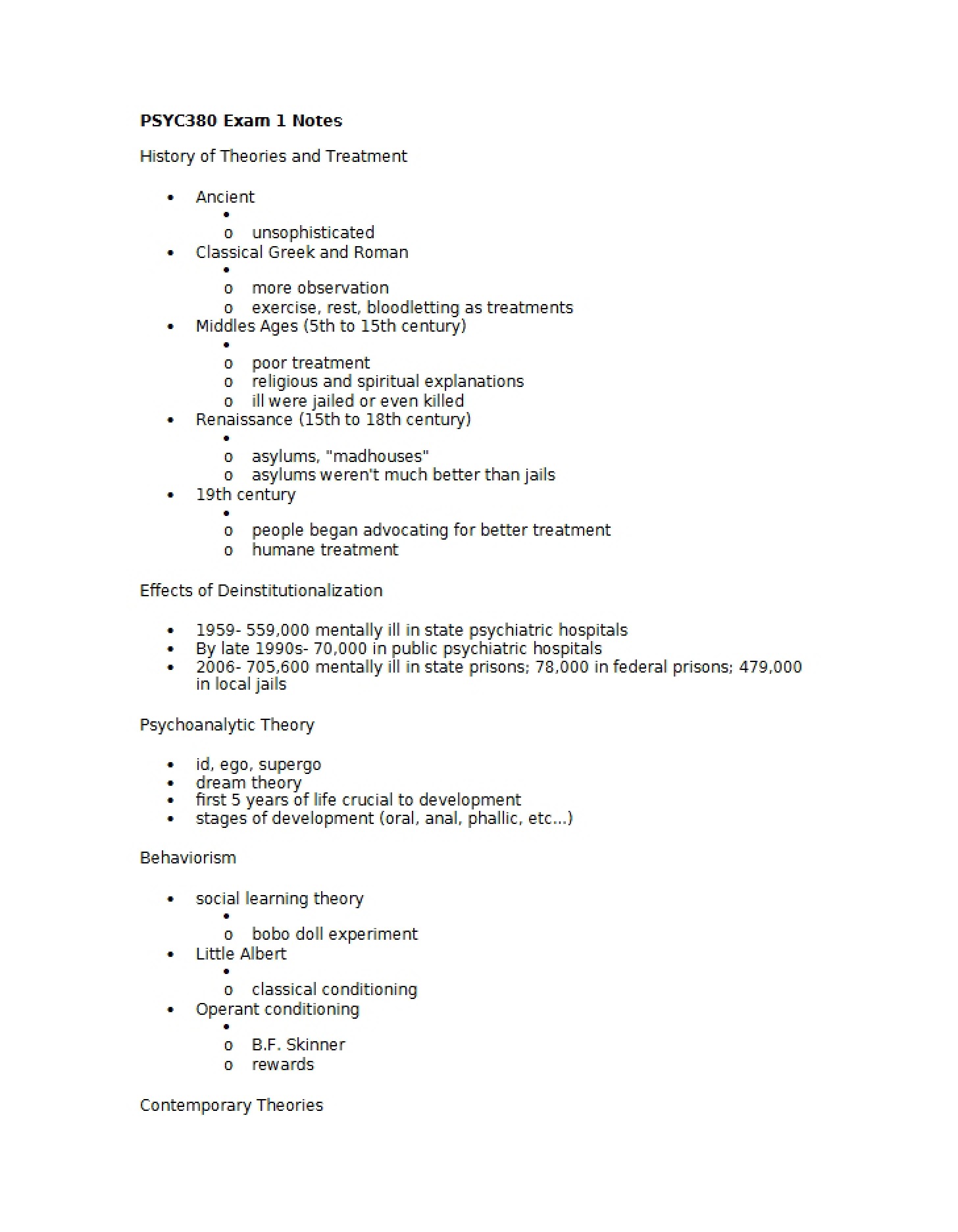
* Historical Perspectives on Psychopathology (Supernatural, Biological, Psychological traditions)
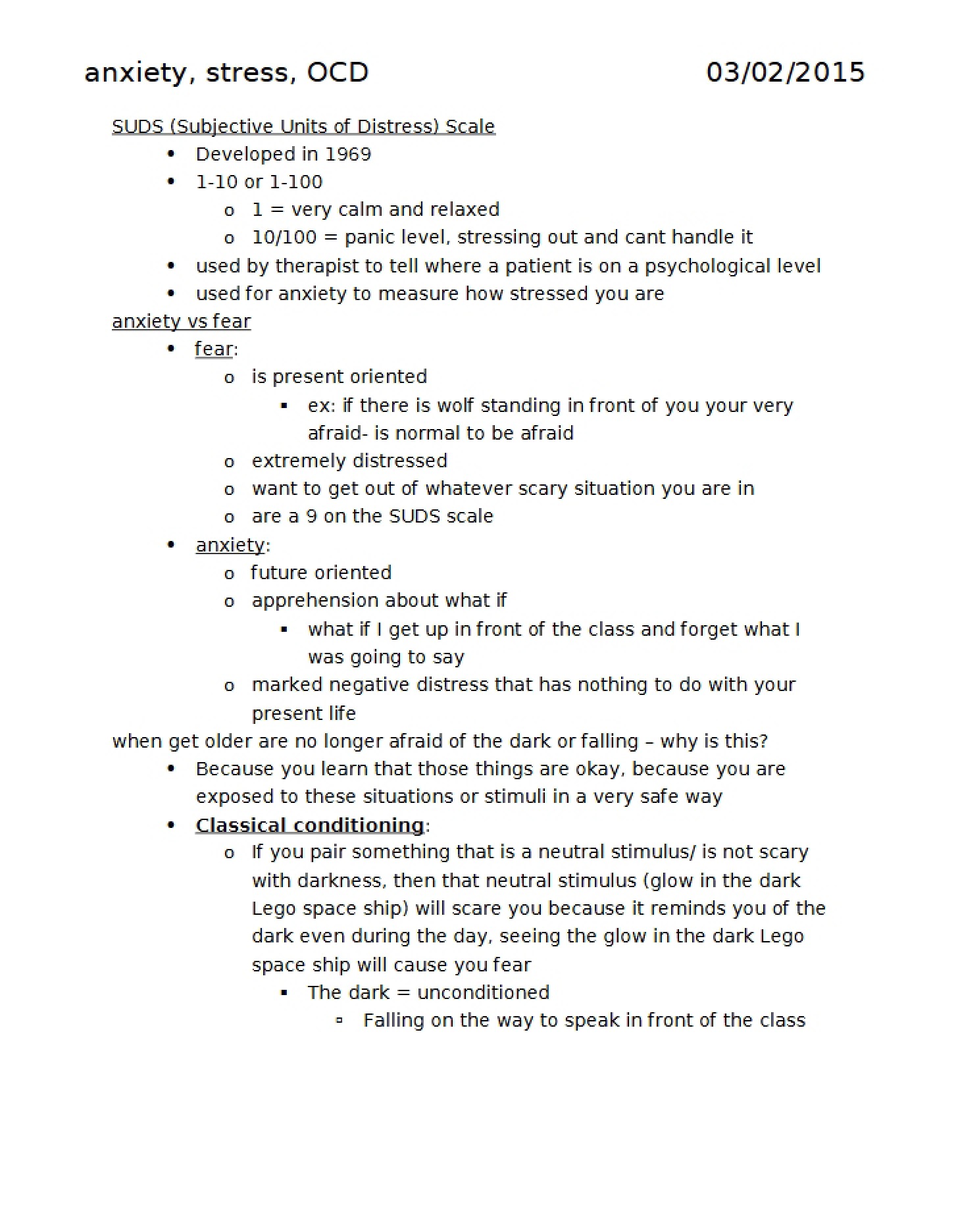
* Core Clinical Terms & Concepts (Presenting Problems, Course, Onset, Prognosis, Etiology)
* Prevalence and Incidence of Psychological Disorders
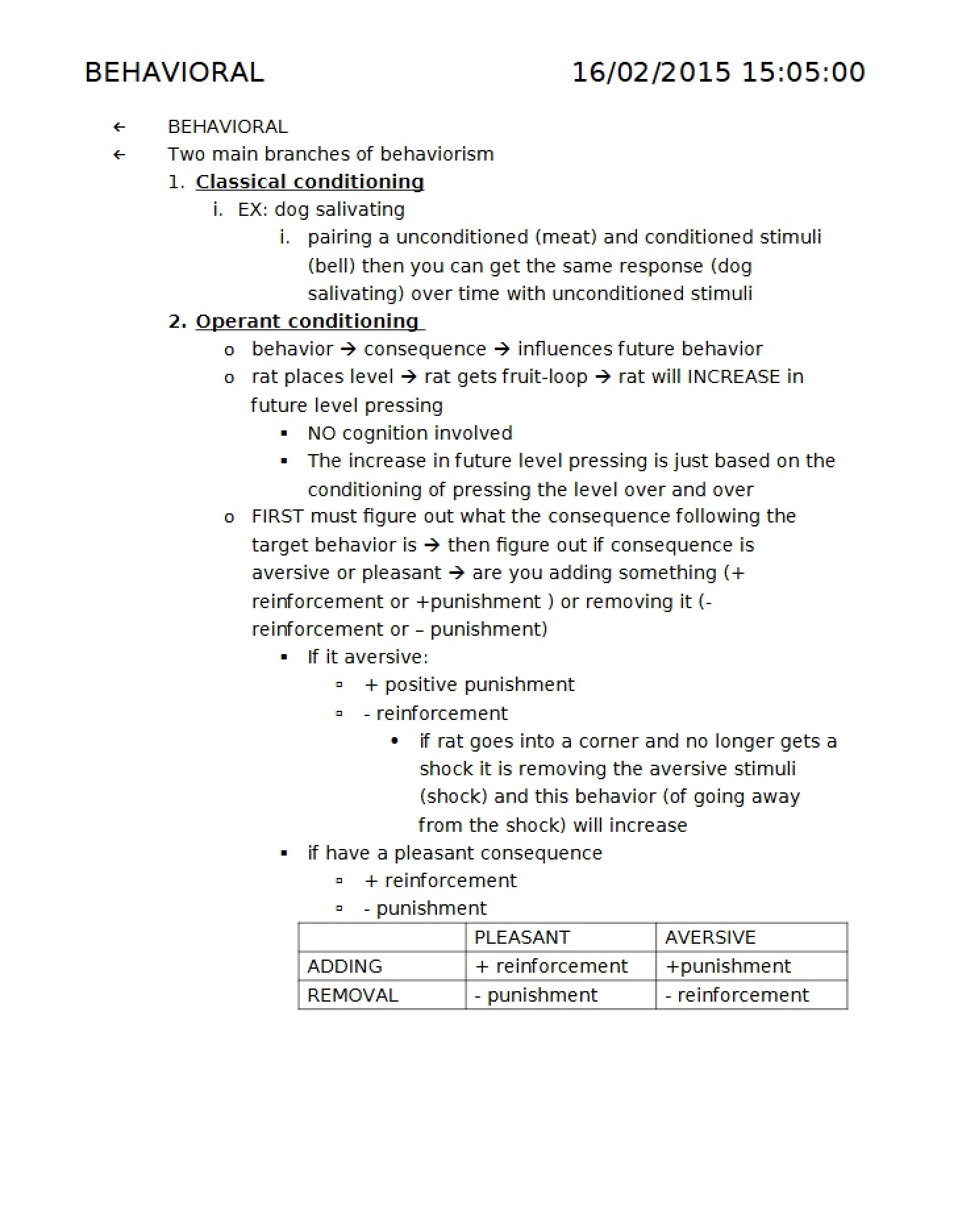
* Key Theoretical Models influencing the understanding of mental illness
* The interplay of biological, psychological, and social factors in mental health
* Defense Mechanisms and their role in psychological functioning
What This Document Provides
* A clear articulation of the scientific approach to studying psychological disorders.
* An exploration of the evolution of thought regarding the causes of mental illness.
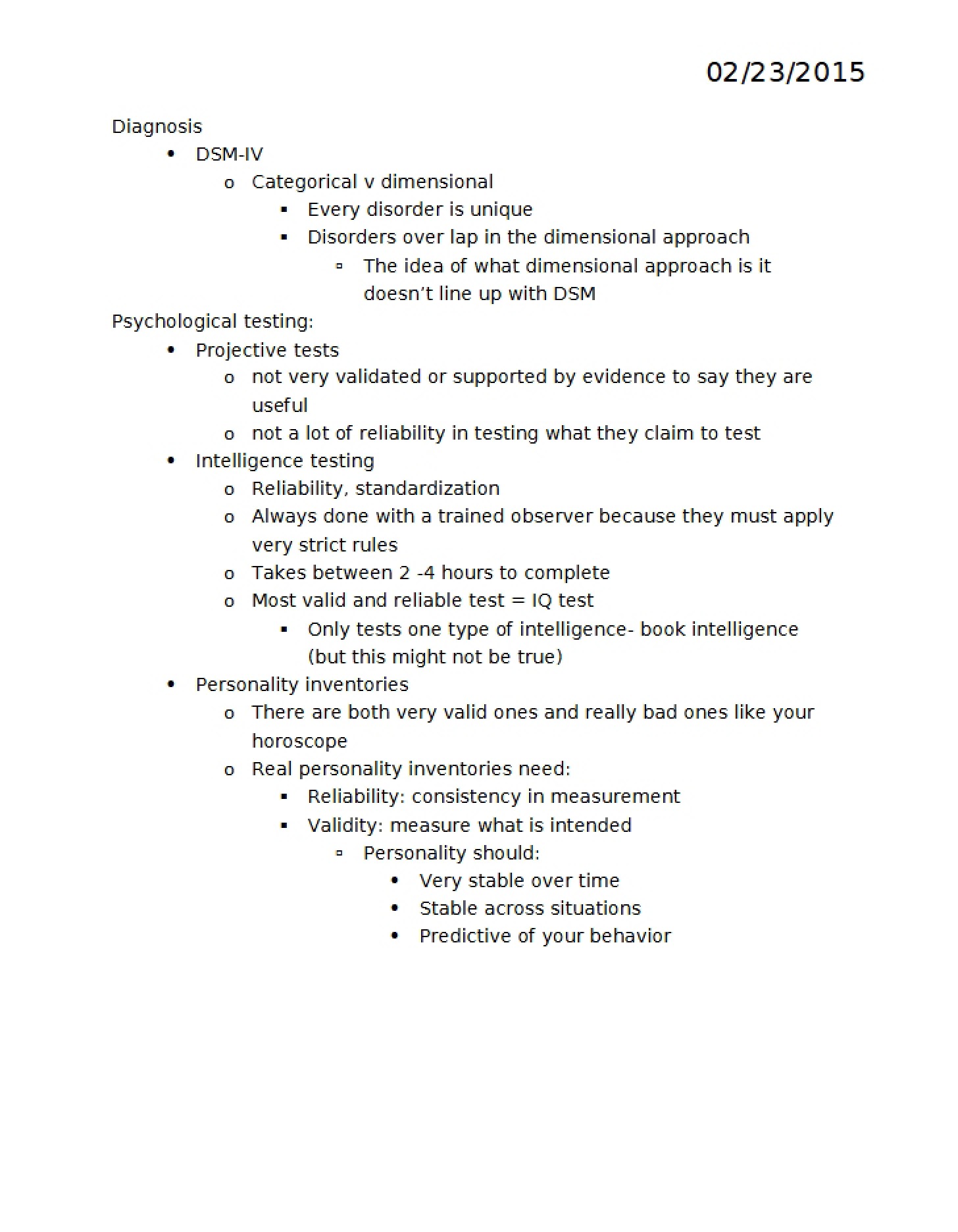
* A detailed examination of the language and terminology used in the field of psychopathology.
* A framework for understanding the different ways disorders can develop and progress.
* An overview of influential theoretical perspectives that shape the understanding of abnormal behavior.