What This Document Is
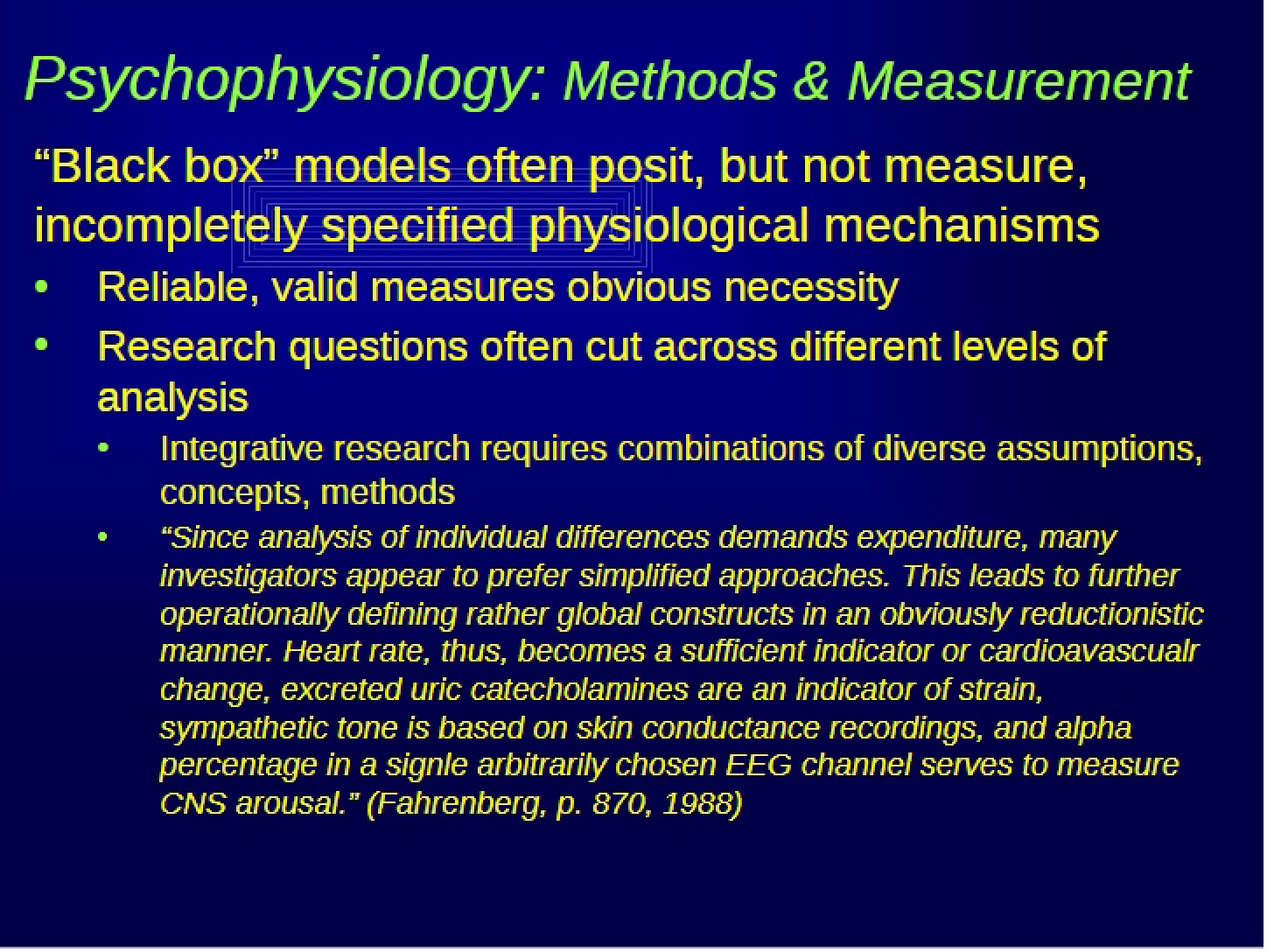
This document provides a foundational exploration of psychophysiological inference within the context of exercise and sport psychology. It delves into the core principles connecting mental processes to measurable physiological responses, examining how the body serves as both a medium for experience and an instrument for action. The material establishes the theoretical underpinnings of the field, emphasizing a multi-level approach to understanding the interplay between psychological phenomena and biological events.
Why This Document Matters
This resource is invaluable for students in advanced kinesiology, psychology, or related fields seeking a deeper understanding of psychophysiology. It’s particularly relevant for those undertaking research projects involving physiological measurement, or preparing to analyze the biological underpinnings of behavior in exercise, sport, or related performance contexts. It’s best utilized as a core reading during coursework focused on research methods, physiological psychology, or advanced sport psychology. Students will benefit from reviewing this material *before* diving into specific research designs or data analysis techniques.
Common Limitations or Challenges
This document focuses on establishing the theoretical framework and foundational concepts of psychophysiological inference. It does *not* provide detailed protocols for specific physiological data collection techniques, step-by-step instructions for data analysis, or interpretations of specific research findings. It also doesn’t offer a comprehensive review of statistical methods used in the field. It’s designed to build conceptual understanding, not to serve as a “how-to” guide.
What This Document Provides
* An overview of the historical development of psychophysiology as a discipline.
* A discussion of the core assumptions underlying the study of embodied cognition and the relationship between physiological responses and psychological processes.
* An exploration of the importance of systemic physiological assessment.
* A categorization of major physiological systems commonly investigated in psychophysiological research (e.g., cardiovascular, nervous, dermal).
* An introduction to different thematic areas within psychophysiological research, including cognitive, social, developmental, and clinical applications.