What This Document Is
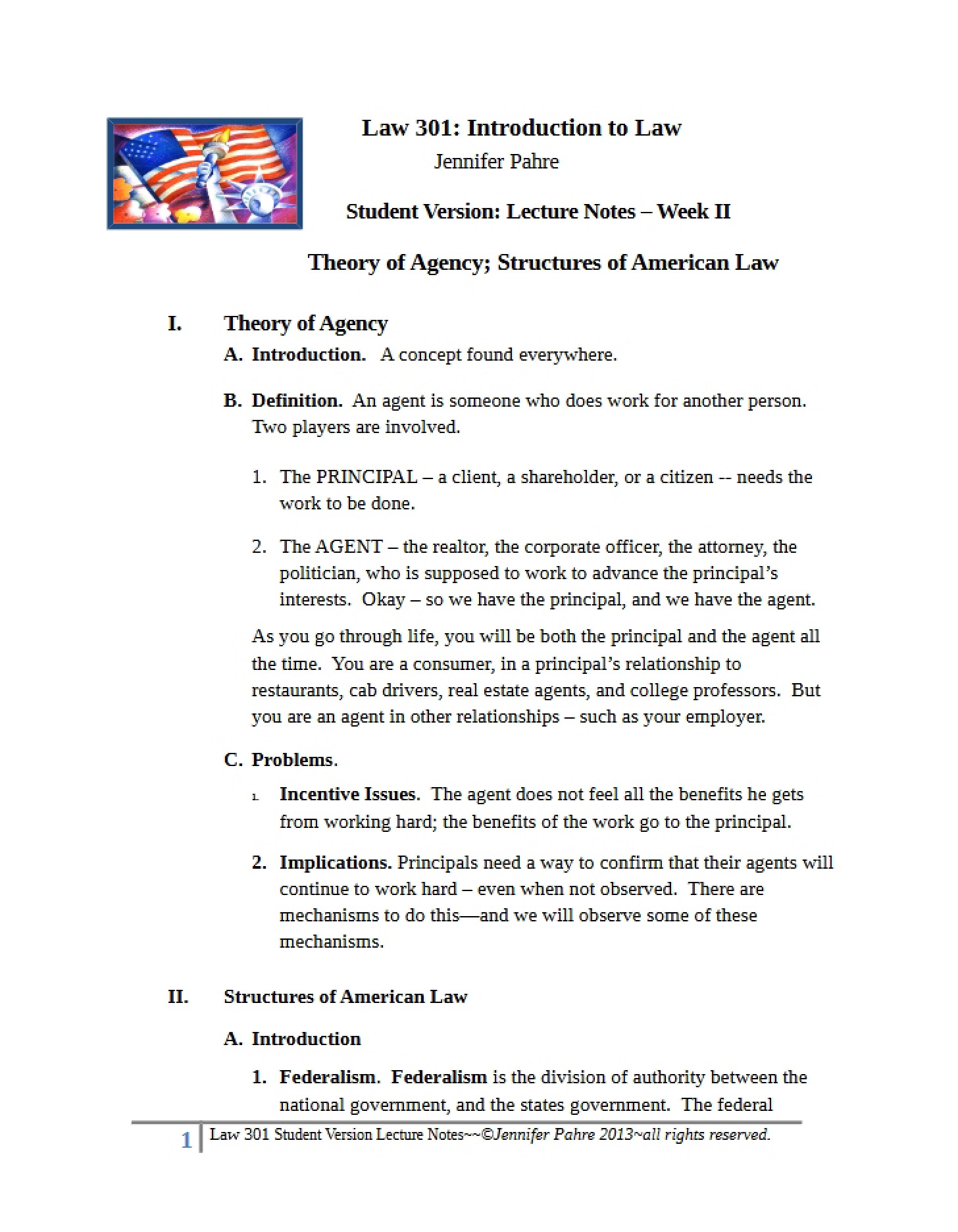
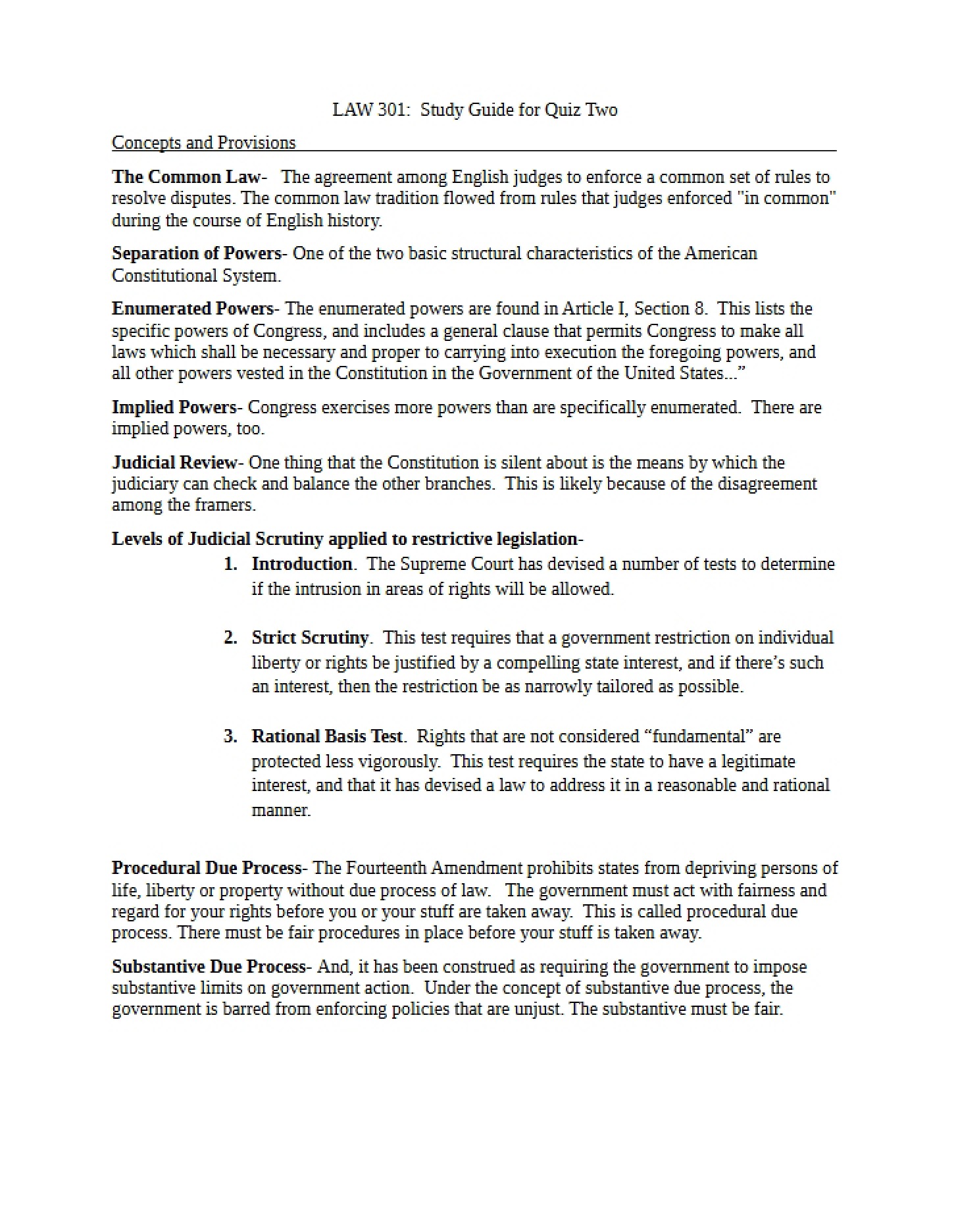
This study guide is designed to help students prepare for the first quiz in LAW 301, Introduction to Law, at the University of Illinois at Urbana-Champaign. It focuses on foundational legal concepts and the structure of the American legal system. It’s a concentrated resource intended to clarify core principles discussed in the early stages of the course, bridging theoretical understanding with practical application. The guide aims to provide a focused review of essential topics before assessment.
Why This Document Matters
This resource is invaluable for students seeking to solidify their understanding of the building blocks of law. It’s particularly useful for those who benefit from a structured review before quizzes, or who want to identify areas needing further study. Students who are new to legal terminology or the American system of government will find this guide especially helpful. Utilizing this guide proactively can improve quiz performance and build a stronger foundation for subsequent coursework in LAW 301.
Common Limitations or Challenges
This study guide is *not* a substitute for attending lectures, completing assigned readings, or engaging in class discussions. It’s a supplementary tool designed to *enhance* your learning, not replace core course materials. It does not offer detailed case briefs or in-depth legal analysis; rather, it provides a framework for understanding key concepts. It also doesn’t include practice questions or model answers. Access to the full guide is required for a comprehensive understanding of the material.
What This Document Provides
* An overview of differing legal philosophies, including explorations of Positive and Natural Law.
* A comparison of different legal systems, such as Common Law and Napoleonic Law.
* Key concepts related to the United States Constitution and the principles of Federalism.
* Clarification of Constitutional powers – both those explicitly stated and those implied.
* Background information on the origins and evolution of the Bill of Rights.
* An introduction to fundamental legal principles like *Stare Decisis* and *Habeas Corpus*.
* An outline of the roles and responsibilities of the three branches of government.
* Definitions of important legal concepts like Agency, and Jurisdiction.
* A list of landmark Supreme Court cases relevant to the course’s initial topics.