What This Document Is
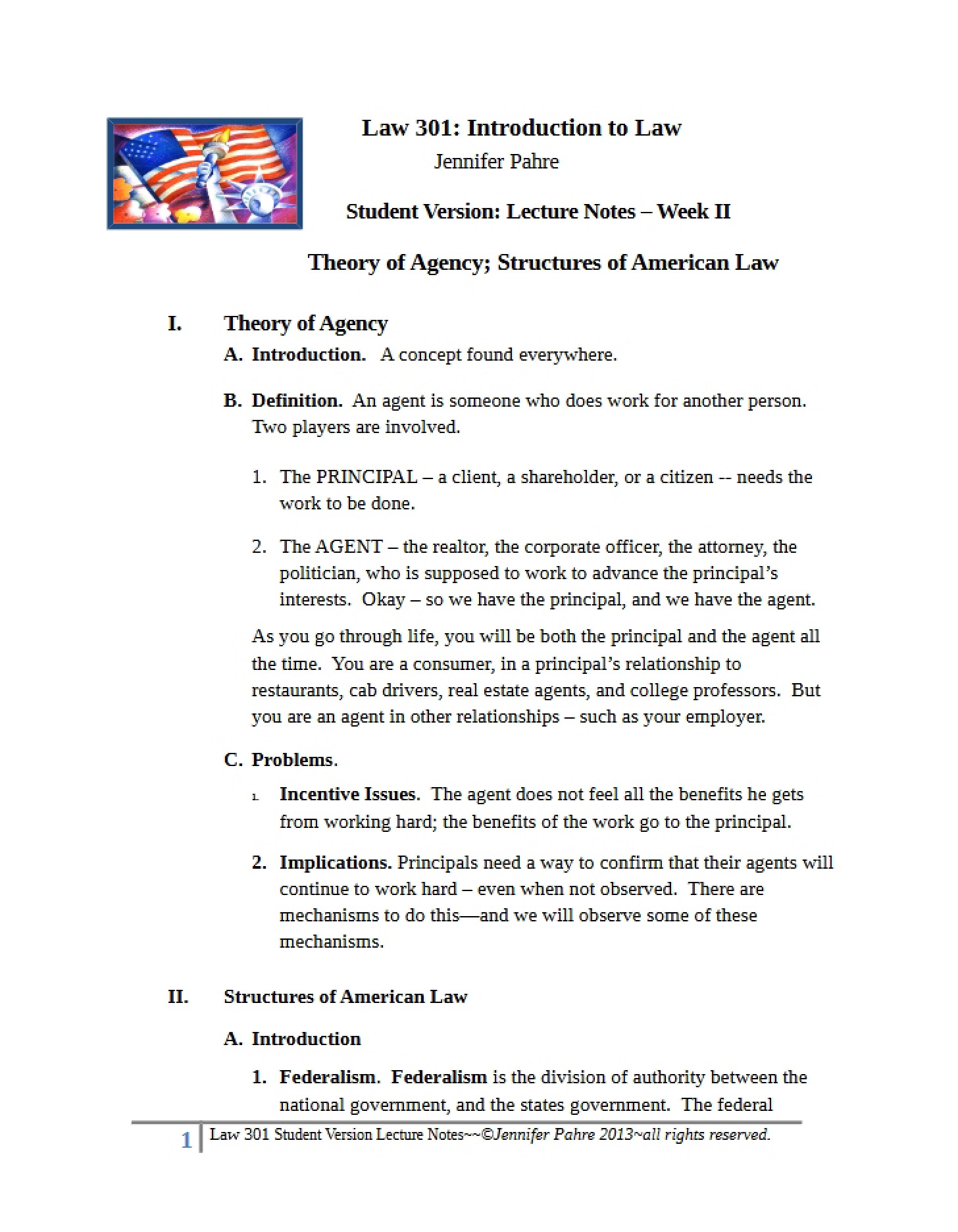
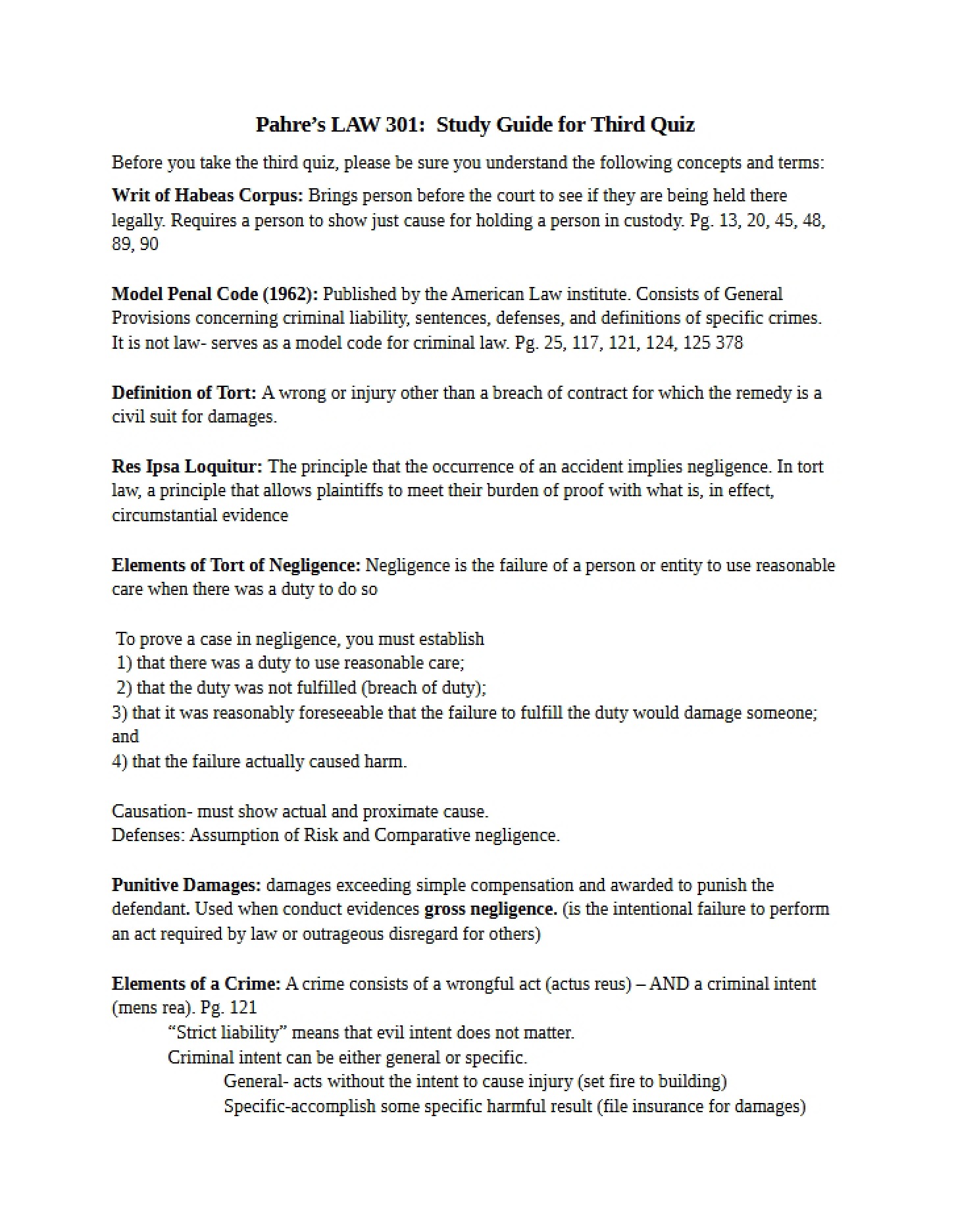
This study guide is designed to help students prepare for Quiz 2 in LAW 301, Introduction to Law, at the University of Illinois at Urbana-Champaign. It focuses on core concepts related to the foundations of the American legal system, including constitutional law and judicial review. The guide breaks down essential legal principles and explores the interplay between different branches of government. It’s a focused resource intended to reinforce understanding of key ideas presented in the course material.
Why This Document Matters
This guide is invaluable for students aiming to solidify their grasp of fundamental legal concepts before taking Quiz 2. It’s particularly helpful for those who benefit from a structured review of course material, or who want to identify areas needing further study. Utilizing this guide can improve your understanding of how laws are made, interpreted, and applied, and how individual rights are protected within the legal framework. It’s best used in conjunction with class notes and assigned readings, as a focused preparation tool.
Common Limitations or Challenges
This study guide is *not* a substitute for attending lectures, completing assigned readings, or engaging in class discussions. It does not offer detailed case analysis or provide complete legal arguments. The guide serves as a concentrated overview of concepts, and won’t cover every nuance discussed in the course. It also does not include practice questions or sample quiz items – its purpose is to clarify understanding, not to predict quiz content.
What This Document Provides
* An overview of the origins and nature of the Common Law tradition.
* Explanations of core constitutional principles like Separation of Powers.
* Clarification of the difference between Enumerated and Implied Powers.
* A breakdown of the levels of Judicial Scrutiny used in legal review.
* An exploration of Due Process, both procedural and substantive.
* Discussion of the First Amendment’s protections regarding Freedom of Religion.
* Key concepts related to legal reasoning, such as *ex post* and *ex ante* perspectives.
* An introduction to important legal tools like the Petition for Habeas Corpus.