What This Document Is
This is a focused review resource for students enrolled in an Analog and Digital Electronics course (EE 334) at the University of South Alabama, specifically designed to help solidify understanding *after* the midterm examination. It delves into core concepts within the field of digital electronics, building upon foundational knowledge and preparing students for more advanced topics. The material centers around both NMOS and CMOS logic families, and extends into sequential logic circuits. It’s intended as a concentrated study aid, not a replacement for lectures or a textbook.
Why This Document Matters
This review is invaluable for students who want to reinforce their grasp of key principles covered in the first half of the EE 334 course. It’s particularly useful for those looking to identify areas where they may need further clarification, or for students preparing for subsequent quizzes and the final exam. It’s best utilized *after* initial learning – attempting to use it as a first introduction to the material may prove challenging. Students who benefit most will be actively seeking to deepen their understanding of transistor-level logic design and analysis.
Common Limitations or Challenges
This resource does not provide a comprehensive re-teaching of all course material. It assumes a baseline understanding of fundamental electronic concepts and the initial lectures. It will not include detailed step-by-step problem solutions or worked examples. Furthermore, it focuses on specific topics covered up to the midterm and does not extend into later course content. It is a review, not a complete course in itself.
What This Document Provides
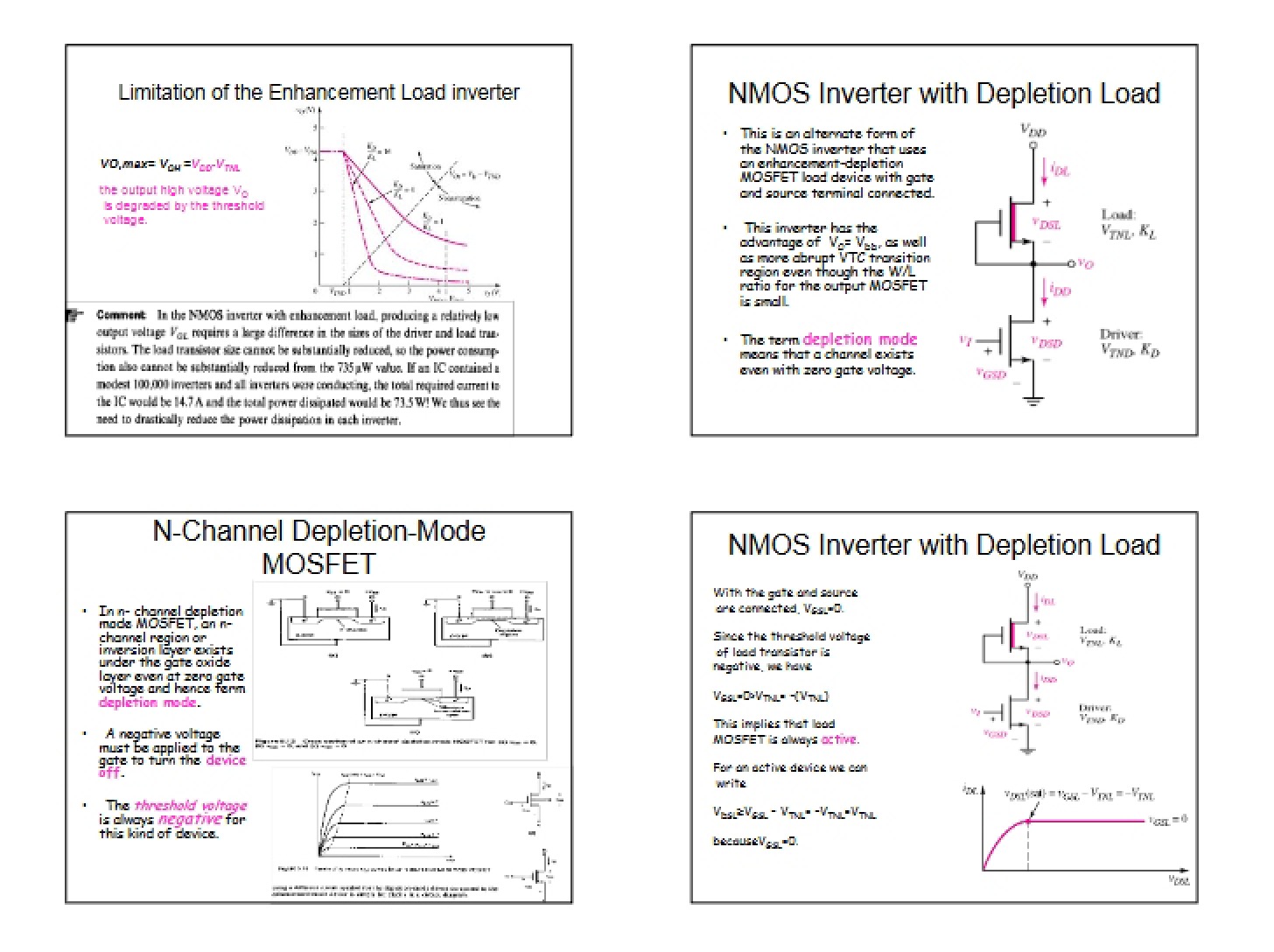
* A focused examination of NMOS inverter characteristics and design considerations.
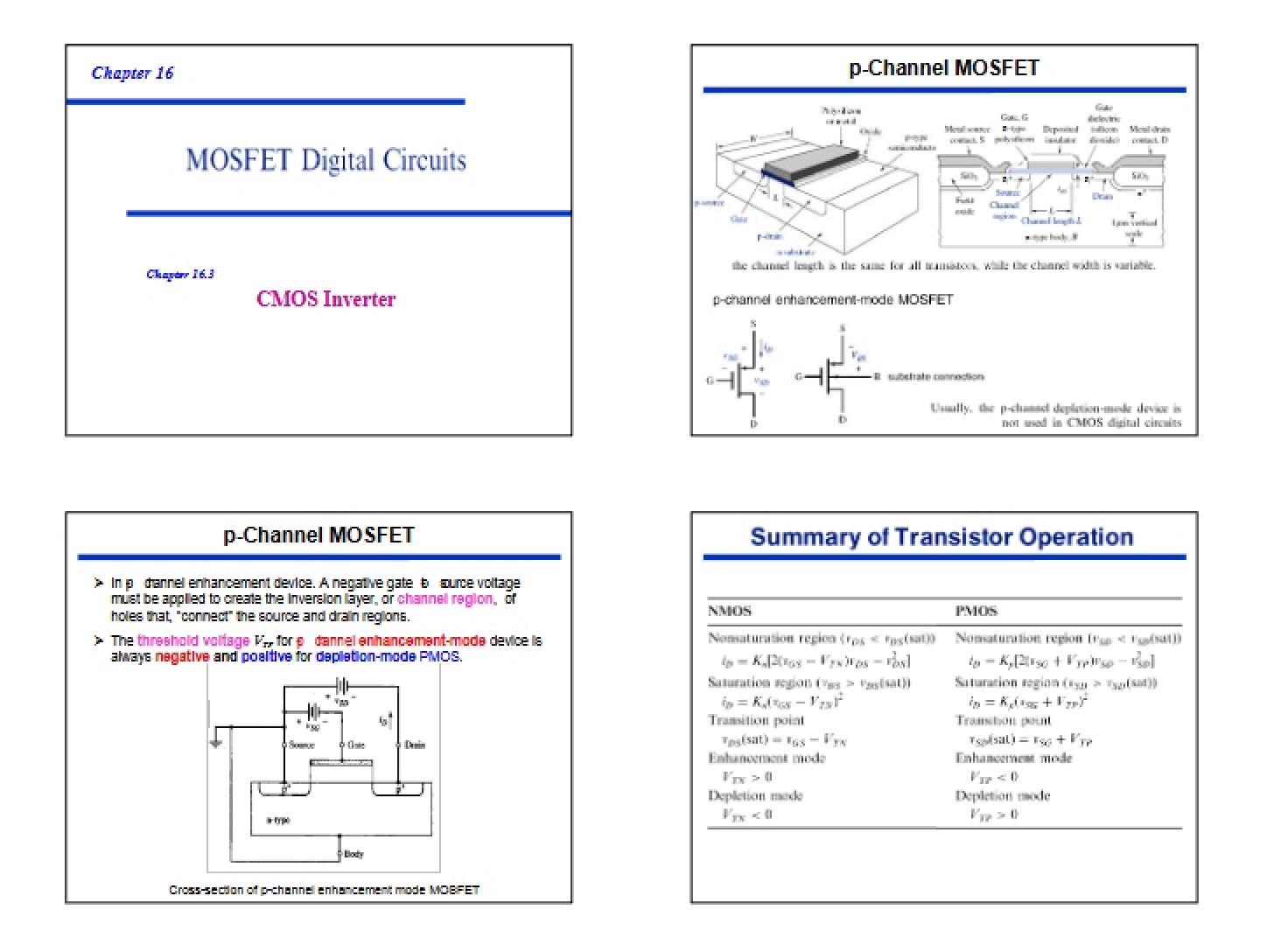
* Comparative analysis of NMOS and CMOS inverter implementations.
* Discussion of fundamental logic gates built using NMOS and CMOS technologies.
* An overview of sequential logic circuits, including flip-flop designs.
* Exploration of key properties and advantages of CMOS technology.
* Considerations regarding power dissipation and inverter threshold adjustments.