What This Document Is
This is a focused review resource designed to help students prepare for Exam 1 in MATH 122: Calculus for Business Administration and Social Sciences at the University of South Carolina. It’s structured as a collection of problems and exercises covering foundational concepts assessed on the exam. The material centers around applying calculus principles to real-world scenarios relevant to business and social science disciplines.
Why This Document Matters
This review is invaluable for students looking to solidify their understanding of key topics *before* a high-stakes exam. It’s particularly useful for identifying areas where further study is needed. Students who benefit most from this resource are those enrolled in MATH 122 who want to actively test their knowledge and practice applying concepts. Utilizing this review in the days leading up to Exam 1 can significantly boost confidence and improve performance. It’s best used *after* completing assigned readings and homework, as a way to synthesize the material.
Common Limitations or Challenges
This review does not provide comprehensive instruction on *how* to solve problems. It assumes a base level of understanding from lectures, readings, and practice assignments. It also doesn’t include detailed explanations of the underlying theory behind each concept. While it covers a range of topics likely to appear on the exam, it may not be exhaustive of *every* possible question type. It is a practice tool, not a replacement for active learning and engagement with course materials.
What This Document Provides
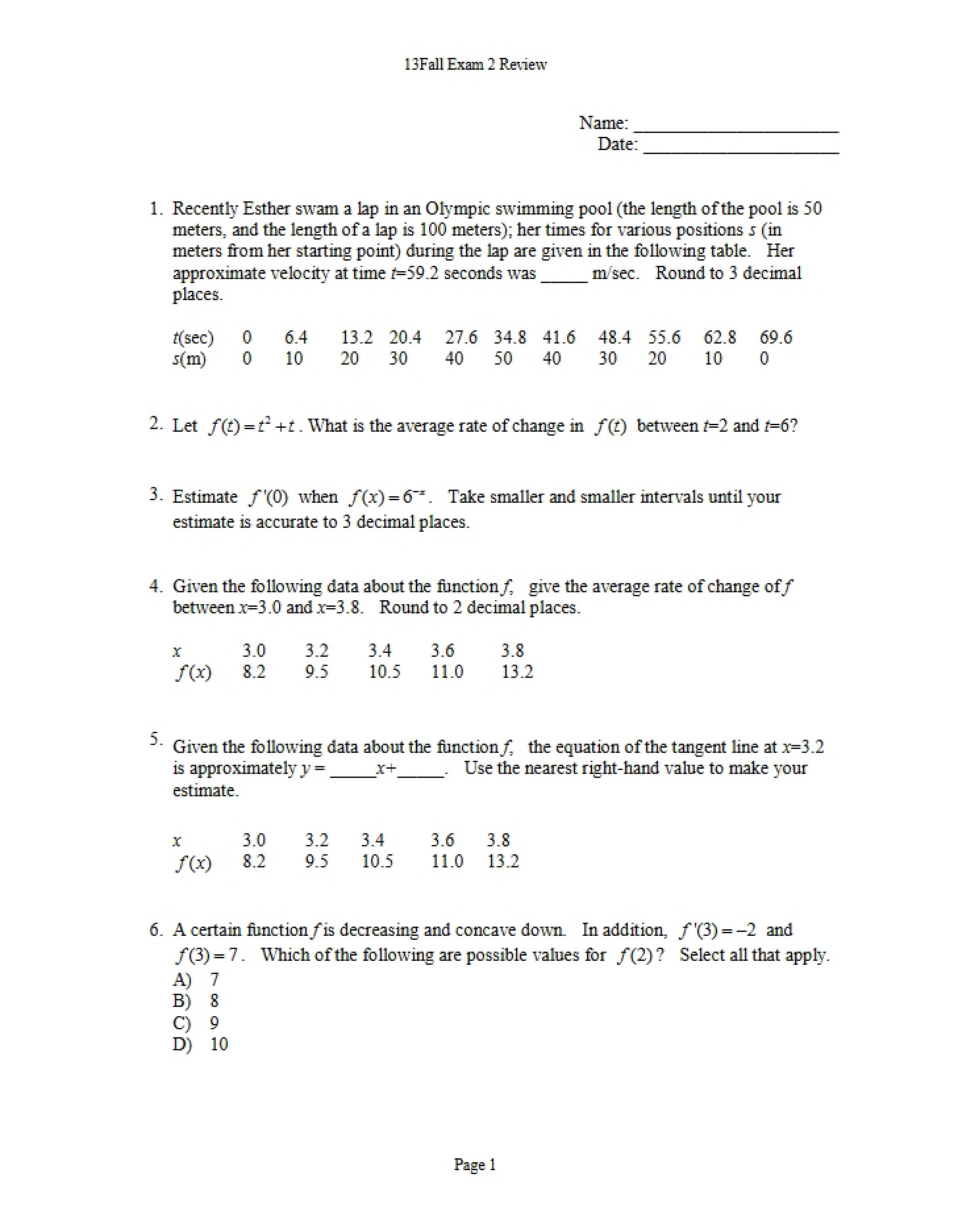
* A series of problems relating to functions and their evaluation from tables.
* Exercises focused on determining linear relationships from data sets.
* Applications involving average rates of change in various contexts.
* Practice with formulating linear functions based on given information.
* Problems involving cost, revenue, and profit analysis.
* Exercises related to supply and demand modeling.
* Questions designed to test understanding of break-even points.
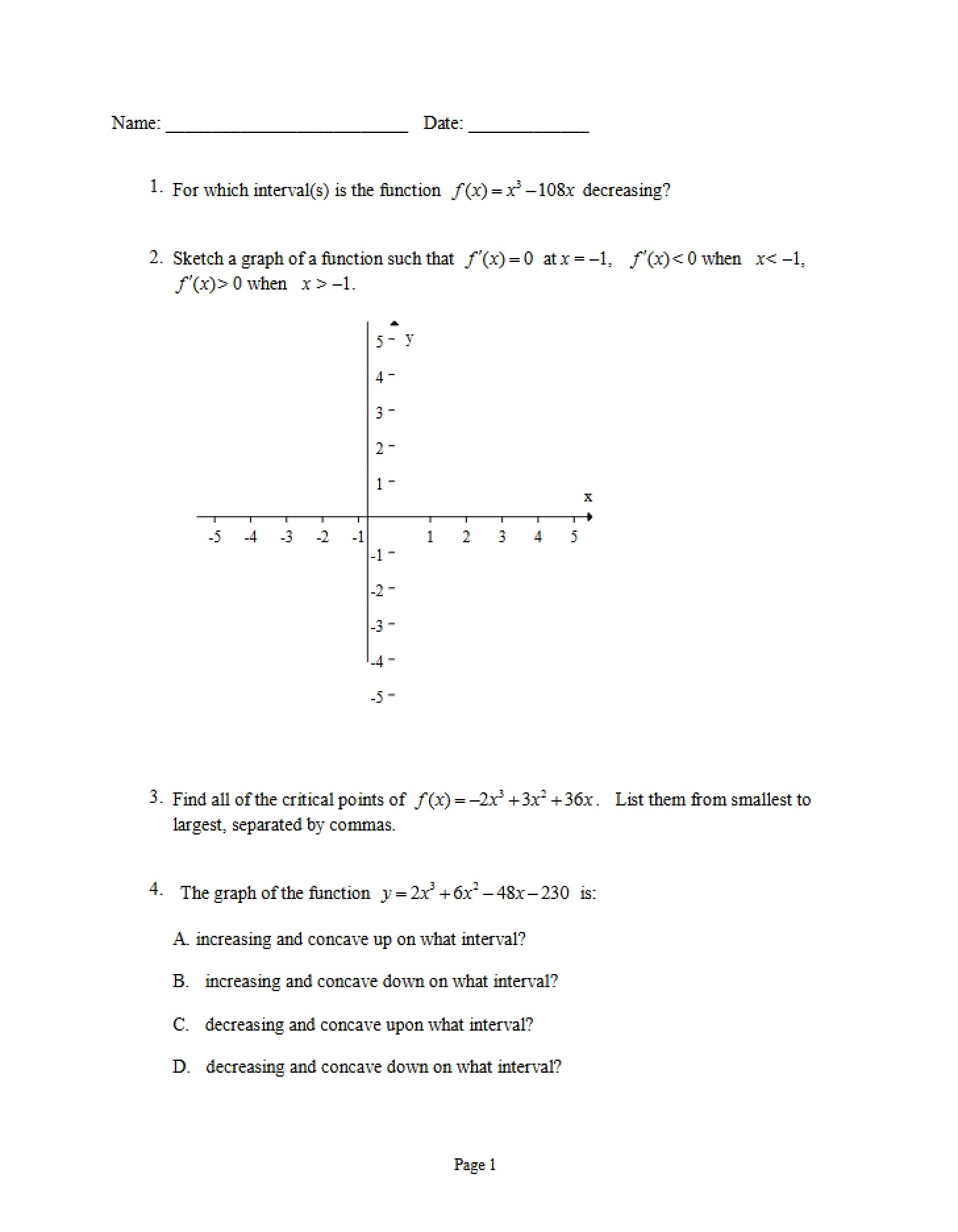
* Practice interpreting graphical representations of functions.
* Problems requiring the application of formulas to real-world scenarios.