What This Document Is
This is a comprehensive review document designed to help students prepare for Exam 2 in MATH 122: Calculus for Business Administration and Social Sciences at the University of South Carolina. It covers key concepts and problem-solving techniques likely to be assessed on the exam, focusing on applications of calculus relevant to business and social science disciplines. The review is based on material covered during Fall 2013 coursework.
Why This Document Matters
This resource is invaluable for students seeking to solidify their understanding of core calculus principles before a major evaluation. It’s particularly useful for students who benefit from working through practice-style questions and identifying areas where they need further study. Utilizing this review can help improve exam performance and build confidence in applying calculus to real-world scenarios. It’s best used in the days leading up to the exam, after completing assigned homework and attending lectures.
Common Limitations or Challenges
This review is *not* a substitute for attending lectures, completing assigned readings, or actively participating in problem sets. It does not provide step-by-step solutions or fully worked examples. Instead, it presents a range of problems designed to test your understanding. It also assumes a foundational knowledge of pre-calculus concepts. Access to the full document is required to view the complete problems and assess your understanding.
What This Document Provides
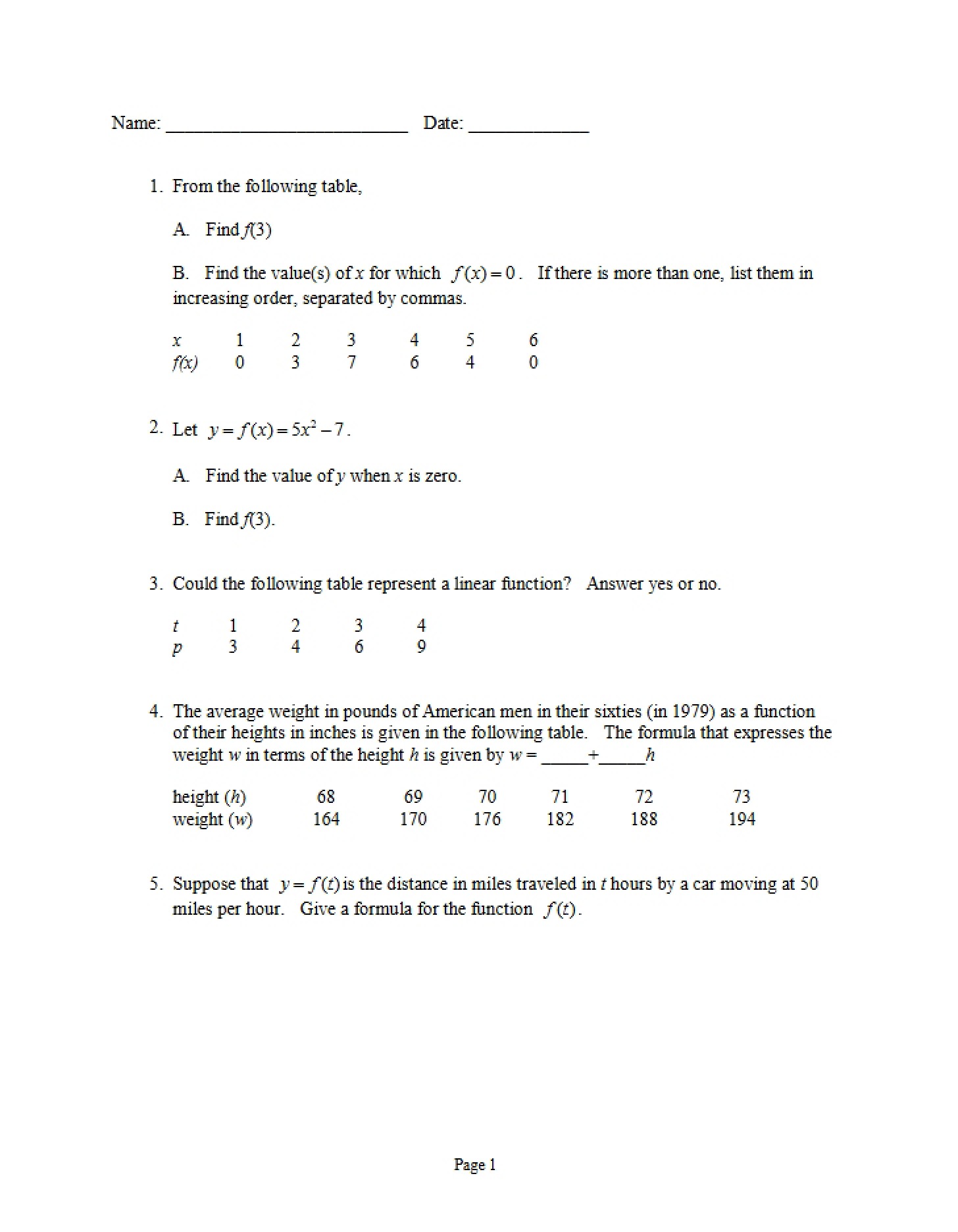
* A variety of problems relating to average rates of change, utilizing both functions and data tables.
* Questions focused on estimating derivatives using different methods and data representations.
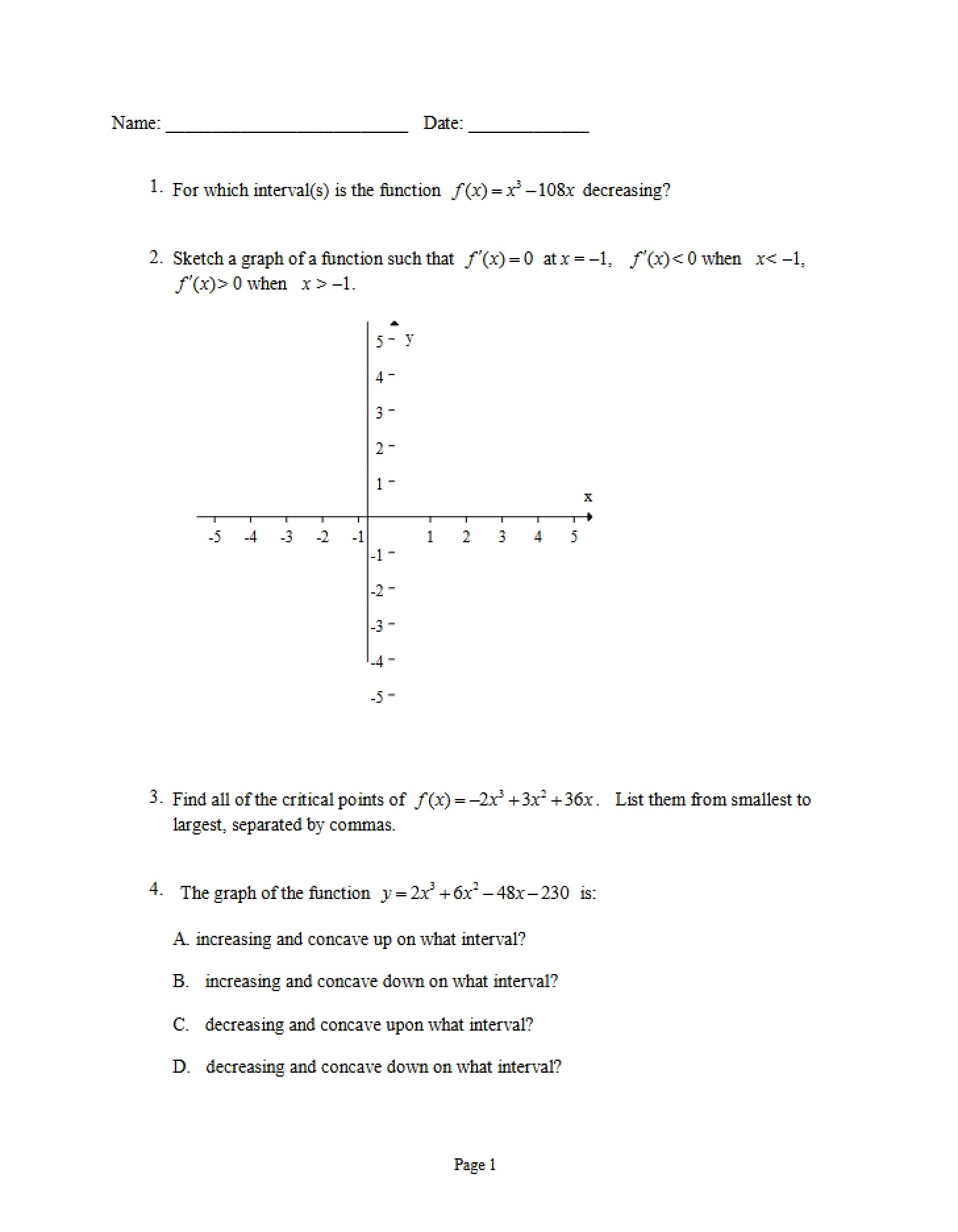
* Conceptual questions regarding the relationship between a function’s first and second derivatives and its behavior (increasing/decreasing, concavity).
* Application-based problems involving optimization and related rates, framed within business and economic contexts (e.g., cost, revenue, population).
* Problems requiring interpretation of graphs of functions and their derivatives.
* Questions testing understanding of units and the meaning of derivative values in applied scenarios.