What This Document Is
This is a focused review resource designed to help students prepare for the second part of their final exam in TMD 432: Fashion Retail Supply Chain Management at the University of Rhode Island. It covers critical concepts related to the global fashion supply chain, from initial sourcing decisions to navigating international trade regulations. The material is presented in a concise format intended for efficient study and recall of key principles.
Why This Document Matters
Students enrolled in fashion retail and supply chain management programs – and particularly those nearing a comprehensive final assessment – will find this resource invaluable. It’s best utilized during the final stages of exam preparation, serving as a concentrated refresher on core topics. Individuals aiming to solidify their understanding of sourcing strategies, international trade terms, and potential supply chain disruptions will benefit most from reviewing the concepts presented within. This is a great tool for identifying areas needing further review before the exam.
Common Limitations or Challenges
This review is not a substitute for attending lectures, completing assigned readings, or engaging with course materials throughout the semester. It provides a condensed overview and does *not* include detailed explanations of every concept covered in the full course. It also does not offer practice questions or simulated exam scenarios. Access to the complete resource is required for a comprehensive understanding of the subject matter and to fully prepare for the final exam.
What This Document Provides
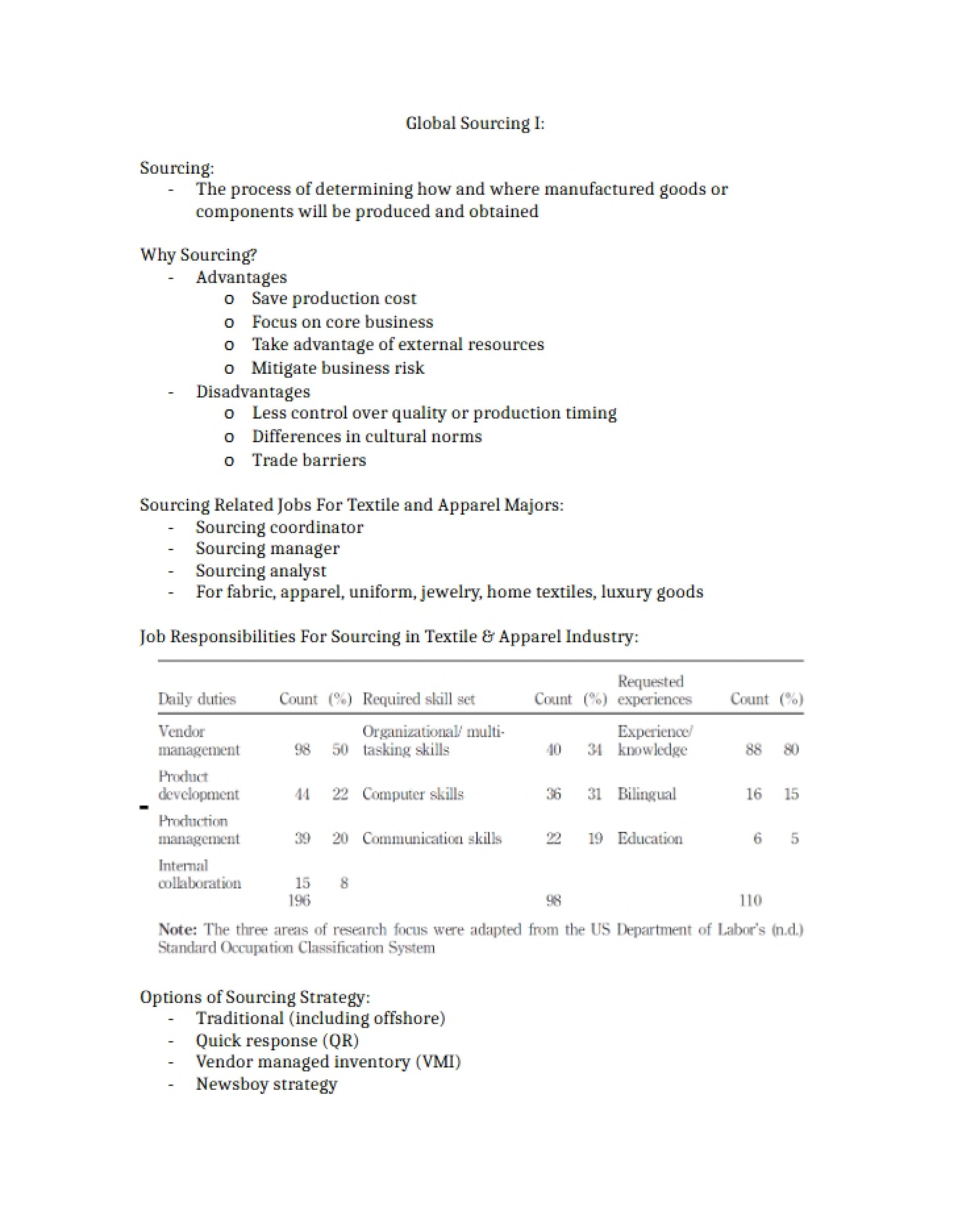
* An overview of different sourcing approaches – including outsourcing, offshore production, and in-house manufacturing.
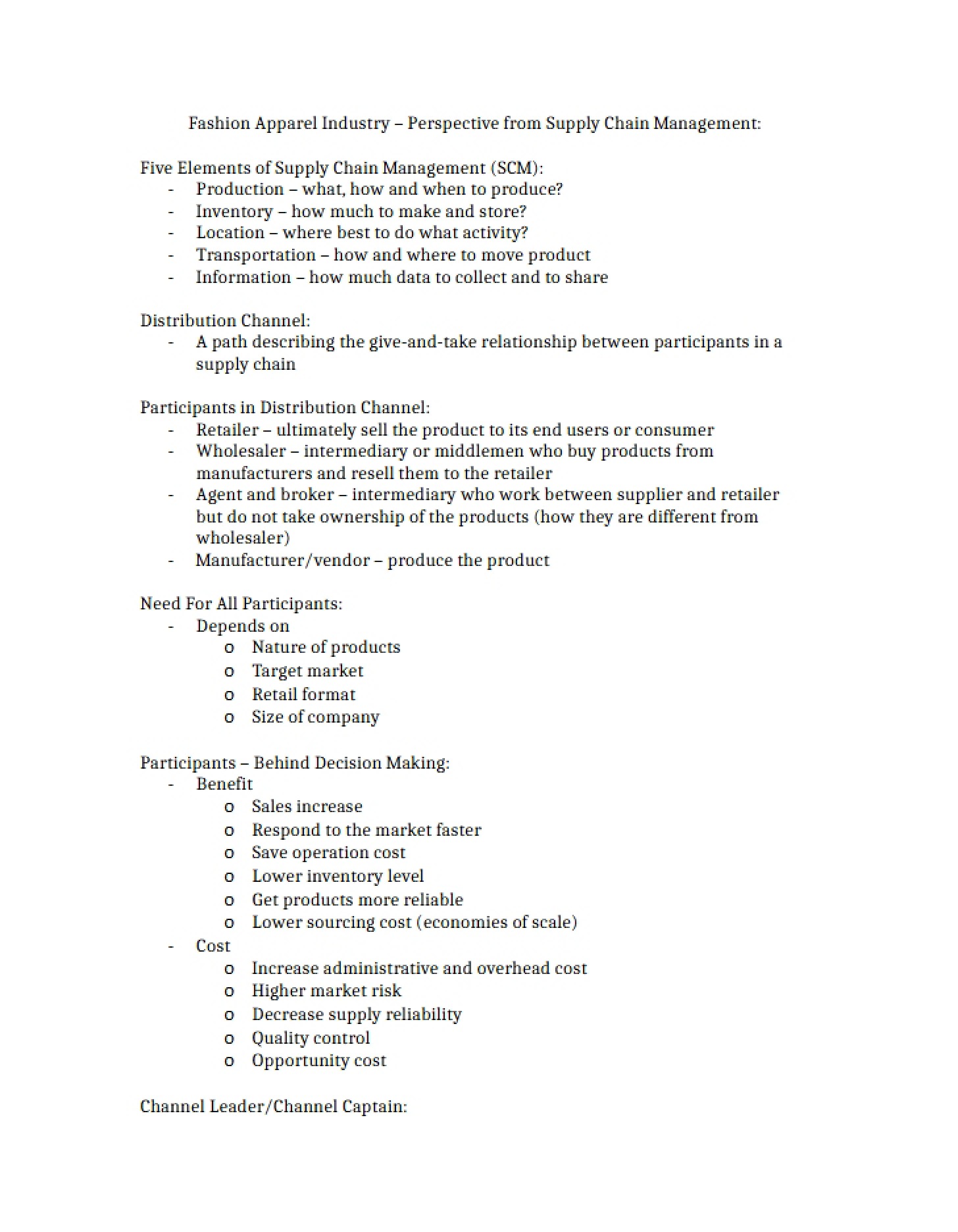
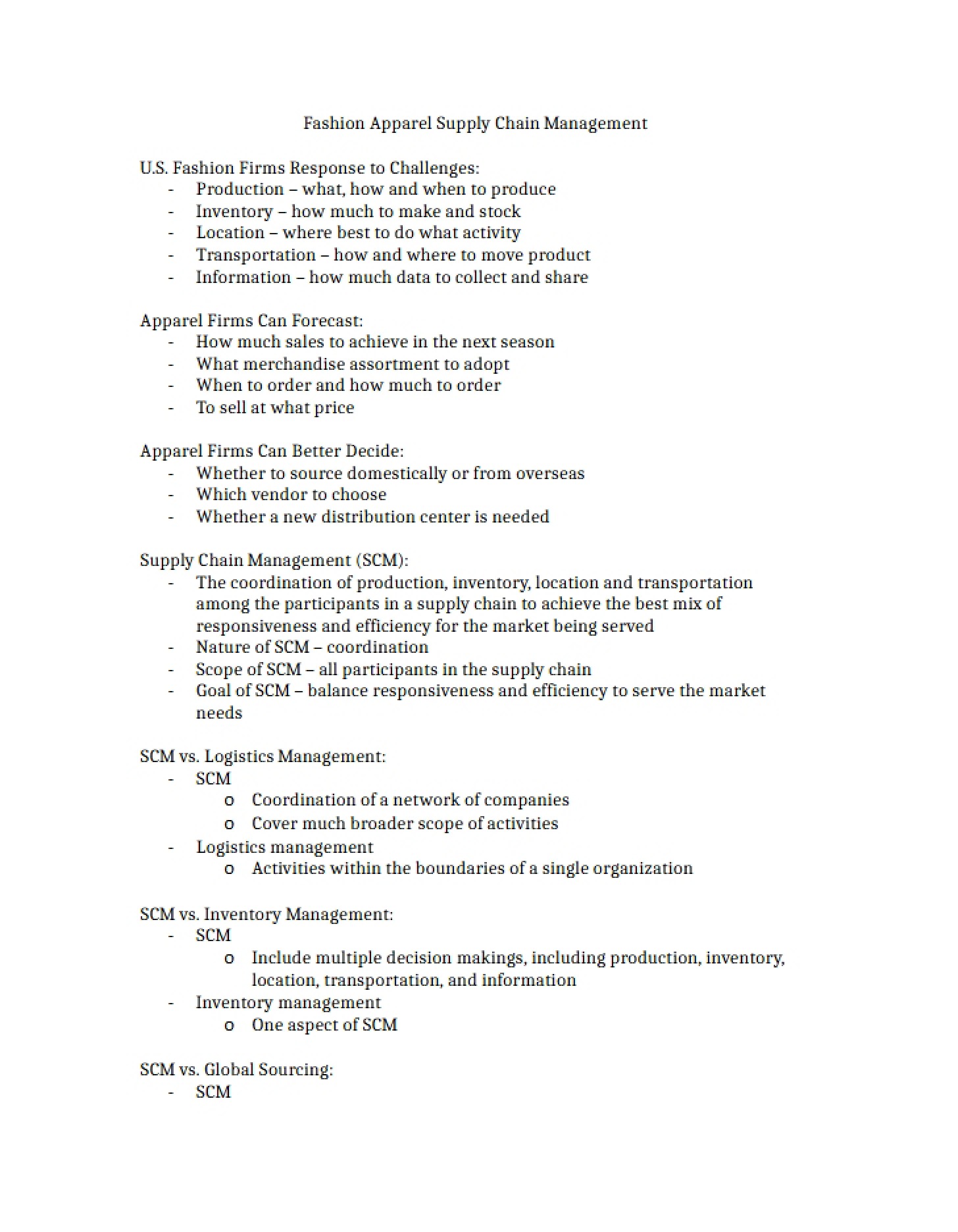
* Key considerations for various supply chain strategies, focusing on responsiveness and risk mitigation.
* An exploration of cost components in international trade, including exchange rates and landed costs.
* An introduction to Incoterms (FOB, CIF, DDP) and their implications for buyers and sellers.
* Discussion of trade compliance issues and potential challenges related to country of origin labeling.
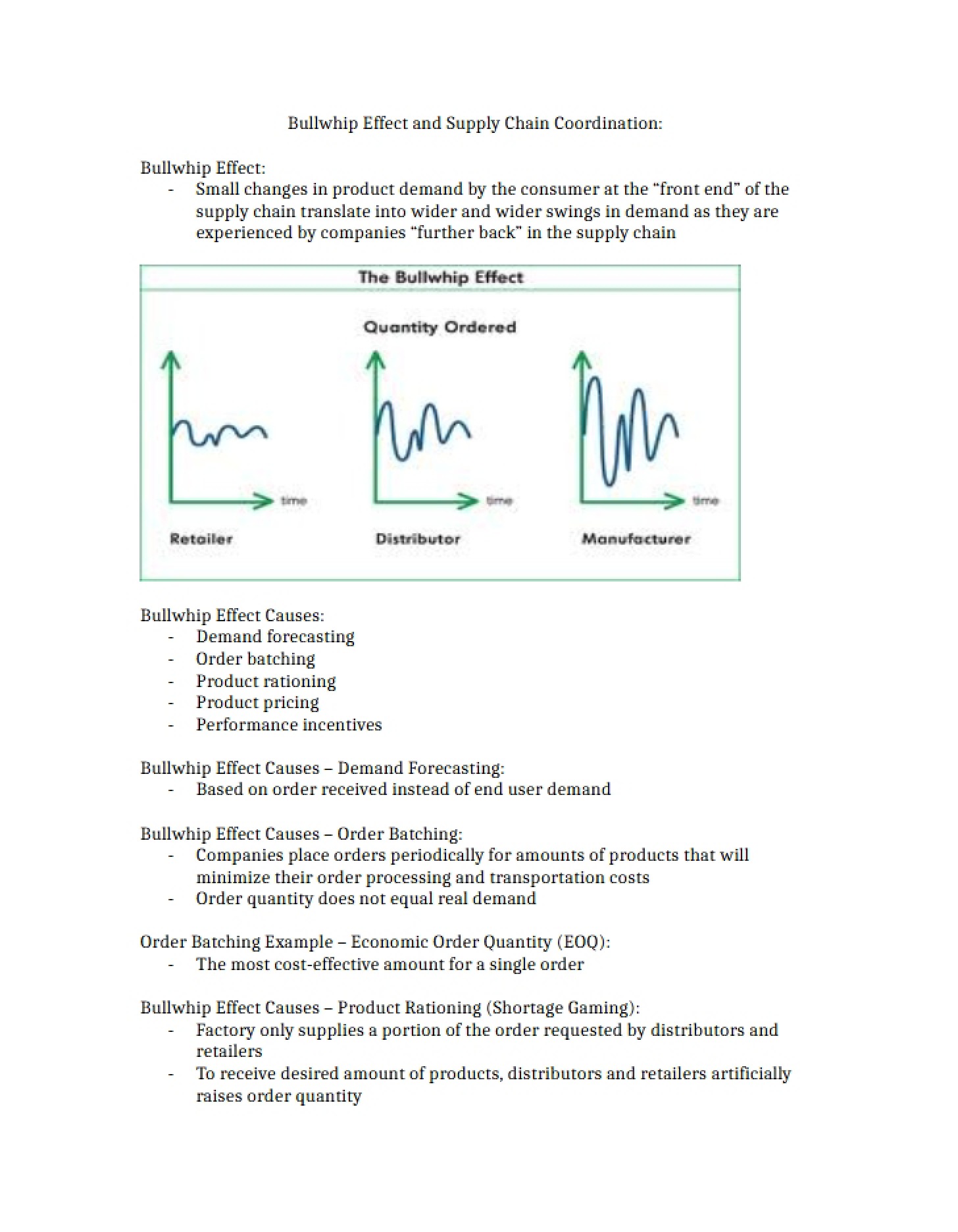
* An explanation of supply chain dynamics, including the “bullwhip effect” and its underlying causes.