What This Document Is
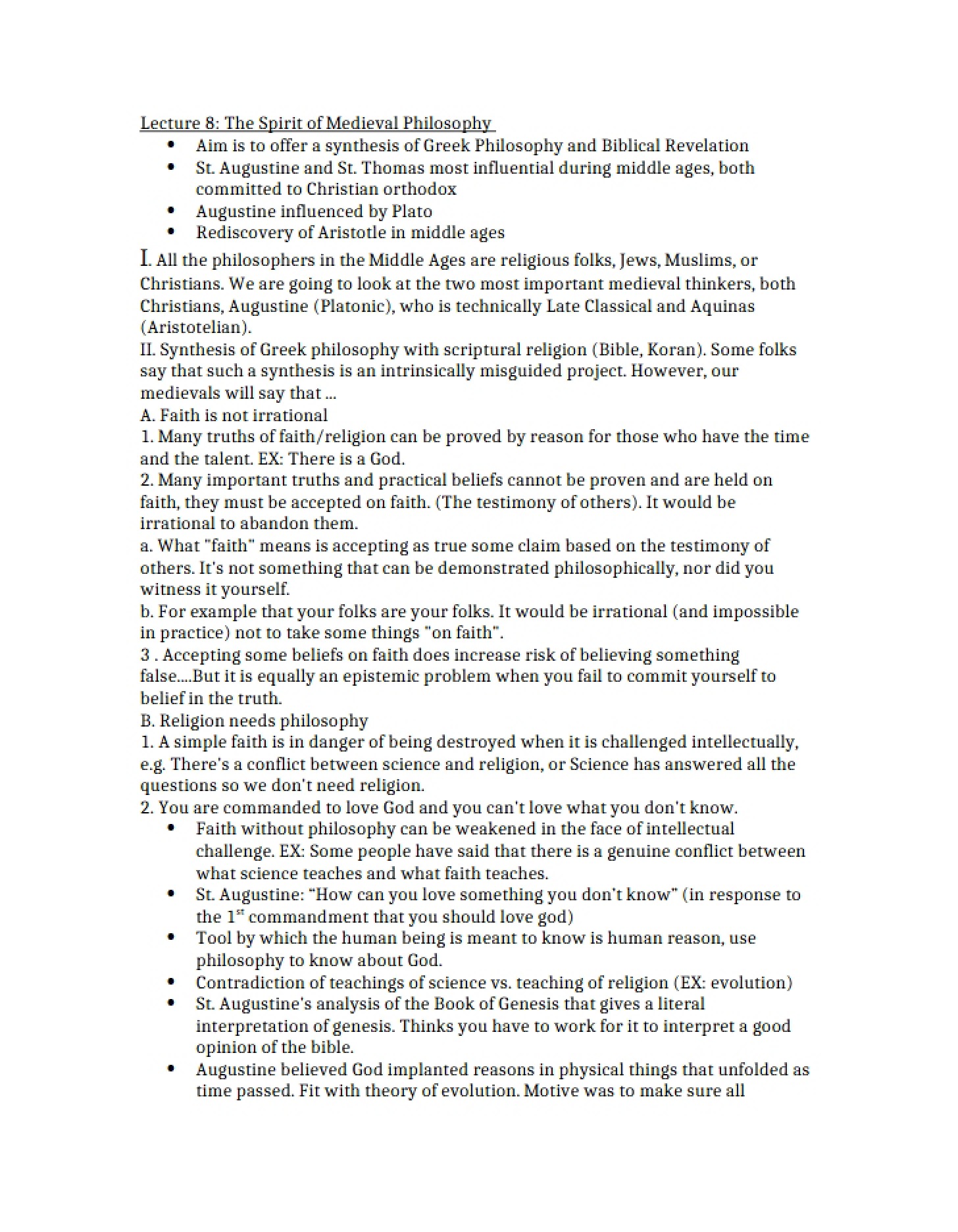
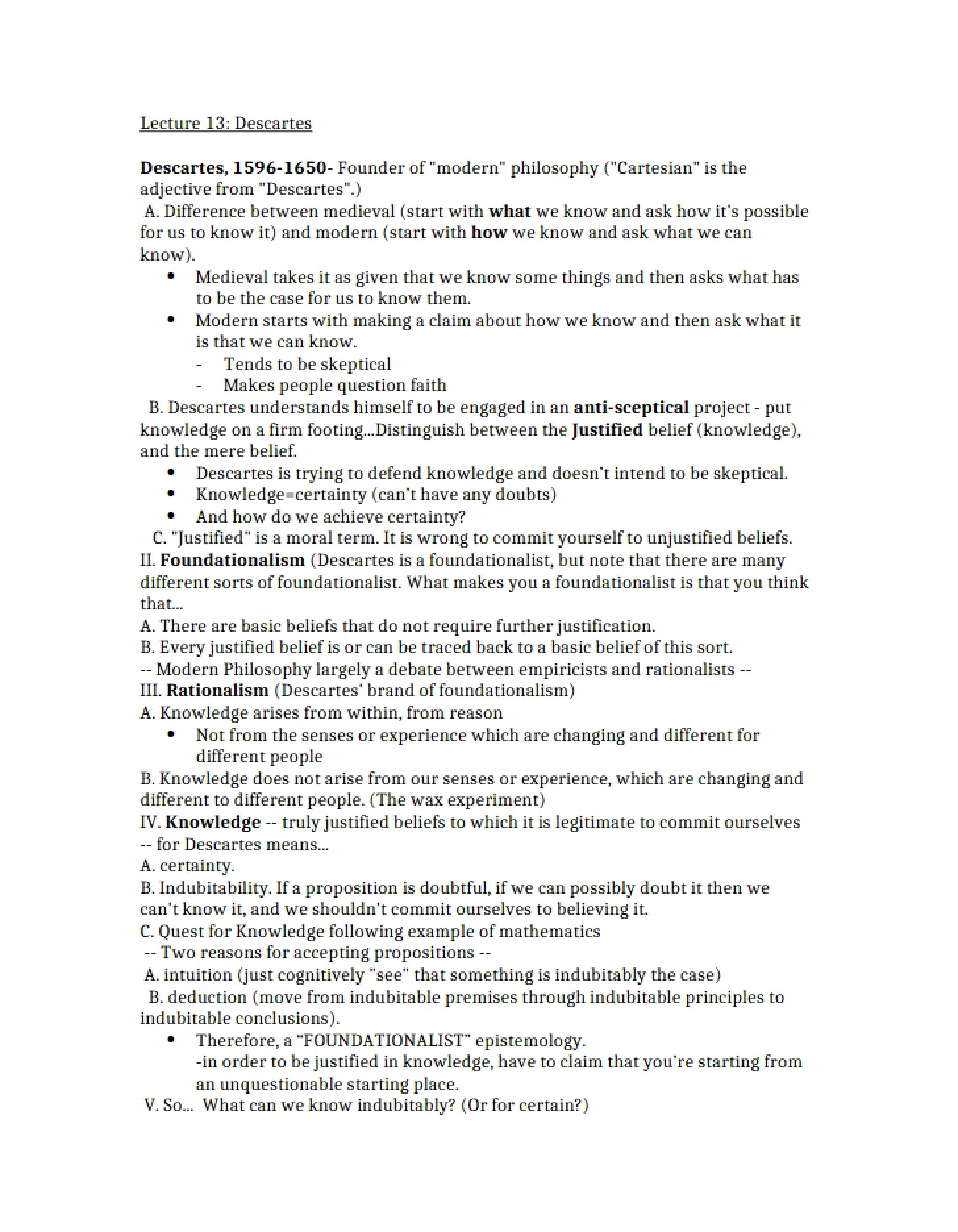
This is a focused review resource designed to help students prepare for Philosophy Exam 2 in PHIL 101 at the University of Delaware. It consolidates key concepts and terminology covered in the course, specifically relating to Medieval Philosophy and the Philosophy of God. This isn’t a replacement for class notes or assigned readings, but a tool to aid in focused study and recall.
Why This Document Matters
This review is particularly beneficial for students who are looking to solidify their understanding of complex philosophical arguments before a high-stakes exam. It’s most effectively used *after* engaging with the course materials – lectures, readings, and discussions – as a way to identify areas needing further attention. Students who benefit most will be those aiming for a comprehensive grasp of the core ideas presented in the second portion of the course. Accessing the full review will allow for a more thorough and confident preparation experience.
Topics Covered
* The relationship between faith and reason in Medieval thought
* Core definitions related to theism, atheism, and agnosticism
* Arguments for the existence and nature of God
* The concept of divine attributes: perfection, omnipotence, and immutability
* The intersection of logic and theology
* The problem of evil and divine goodness (explored through key philosophical dilemmas)
* The nature of creation and God’s role as a creator
* Concepts of eternity and necessity as they apply to God
What This Document Provides
* Key terminology and definitions central to the course’s philosophical discussions.
* An overview of the historical context influencing Medieval philosophical thought.
* A structured presentation of arguments concerning the compatibility of faith and reason.
* A framework for understanding different perspectives on the attributes of God.
* A concise exploration of the logical implications of the concept of a perfect being.
* A foundation for deeper engagement with the exam material.