What This Document Is
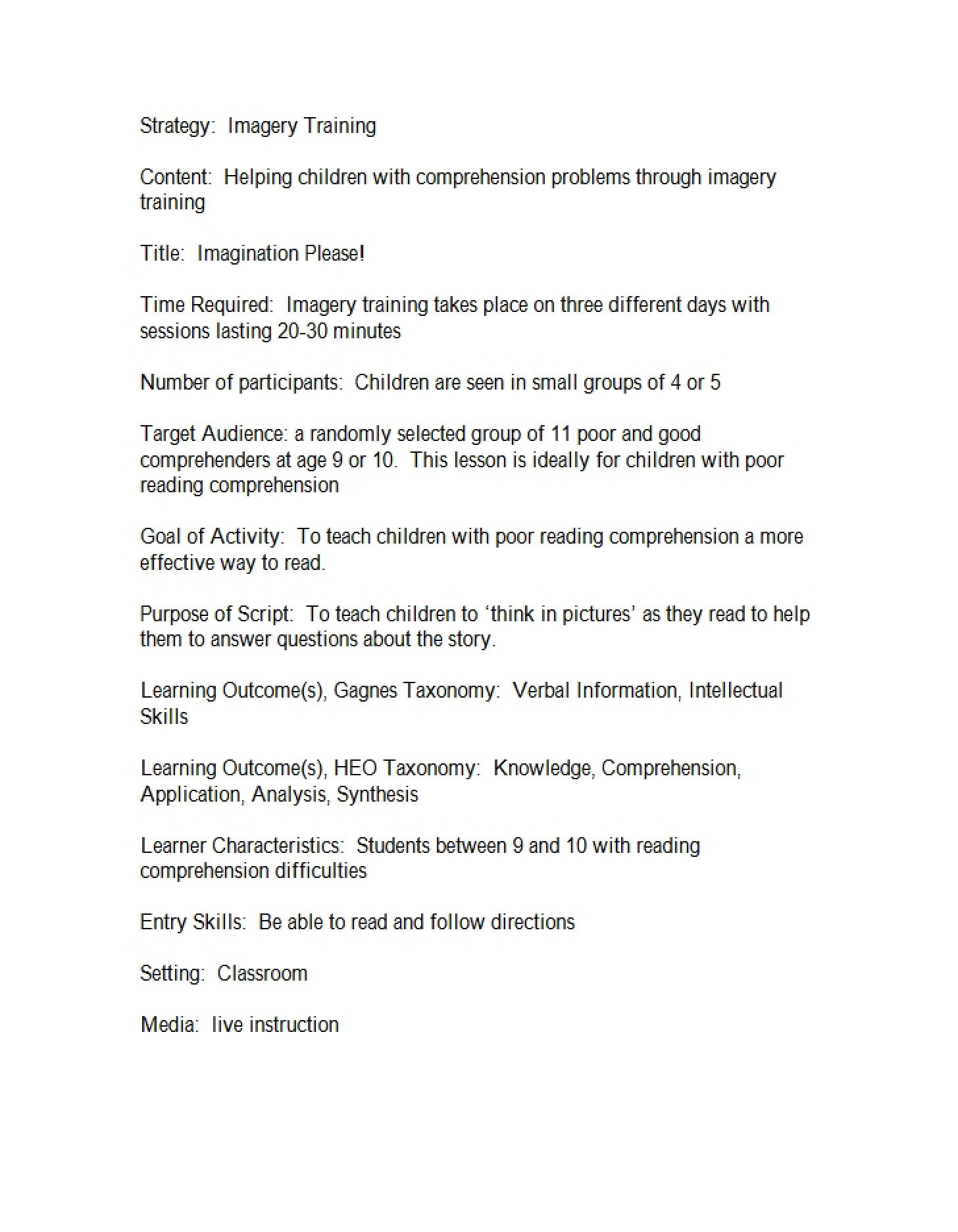
This resource is a detailed scenario designed for instructional strategy planning within an educational setting. It focuses on the implementation of a specific technique centered around enhancing comprehension through expressive language. The scenario outlines a lesson plan geared towards elementary-aged students, aiming to develop their understanding of how language can be used beyond its literal definitions. It’s presented as a practical guide for educators looking to incorporate engaging methods into their teaching repertoire.
Why This Document Matters
This scenario is invaluable for students enrolled in instructional design courses, pre-service teachers, or practicing educators seeking fresh approaches to language arts instruction. It’s particularly useful when exploring methods to improve student engagement and deeper understanding of abstract concepts. If you’re tasked with creating a lesson plan, analyzing teaching strategies, or need a concrete example of how to apply pedagogical principles, this resource will be a strong starting point. It’s designed to help you translate theory into actionable classroom practice.
Common Limitations or Challenges
Please note that this scenario provides a framework for a single instructional activity. It does *not* include a comprehensive curriculum or a wide range of strategies. It focuses specifically on one technique and its application to a particular age group. While references are cited, the document itself does not offer an exhaustive literature review on the topic of figurative language or learning taxonomies. It also doesn’t provide detailed assessment *instruments*, only mentions a post-test.
What This Document Provides
* A clearly defined learning strategy focused on language comprehension.
* A specified target audience (elementary students).
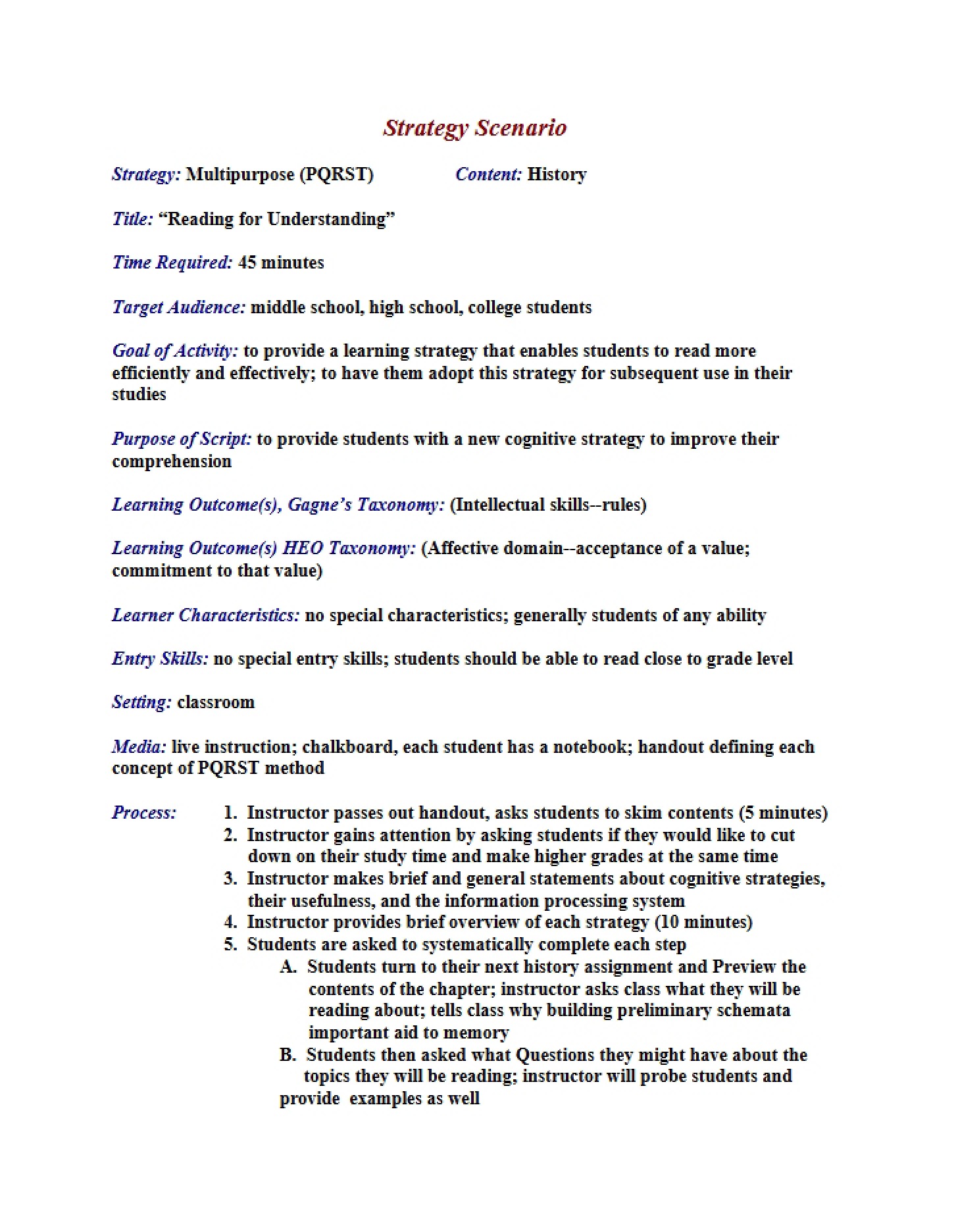
* Identified learning outcomes aligned with established educational taxonomies (Gagne’s and HEO’s).
* Considerations for learner characteristics and necessary entry skills.
* Suggested learning environment and required materials.
* A framework for activity implementation and guidance on facilitating student discussion.
* A reference list for further exploration of related educational principles.