What This Document Is
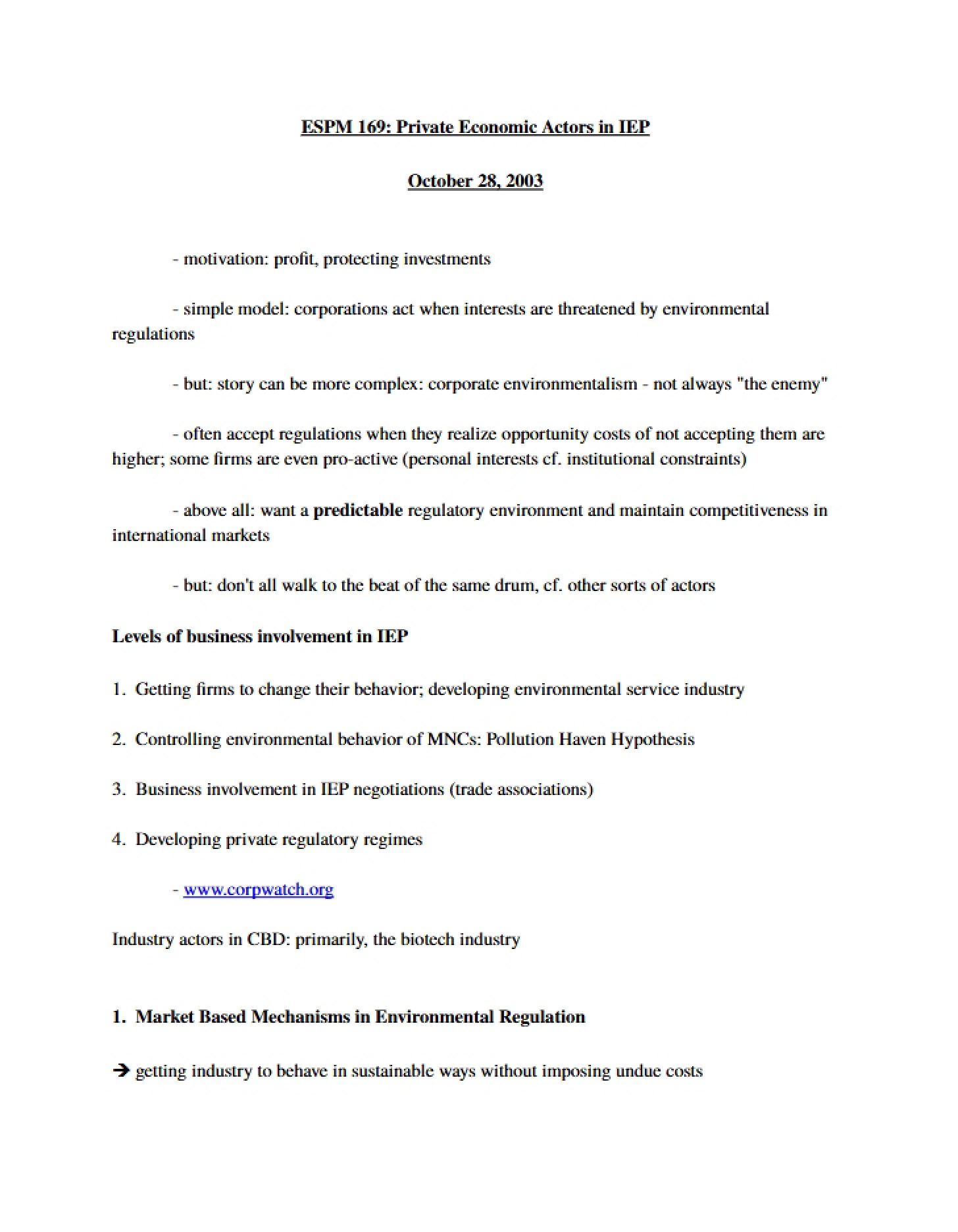
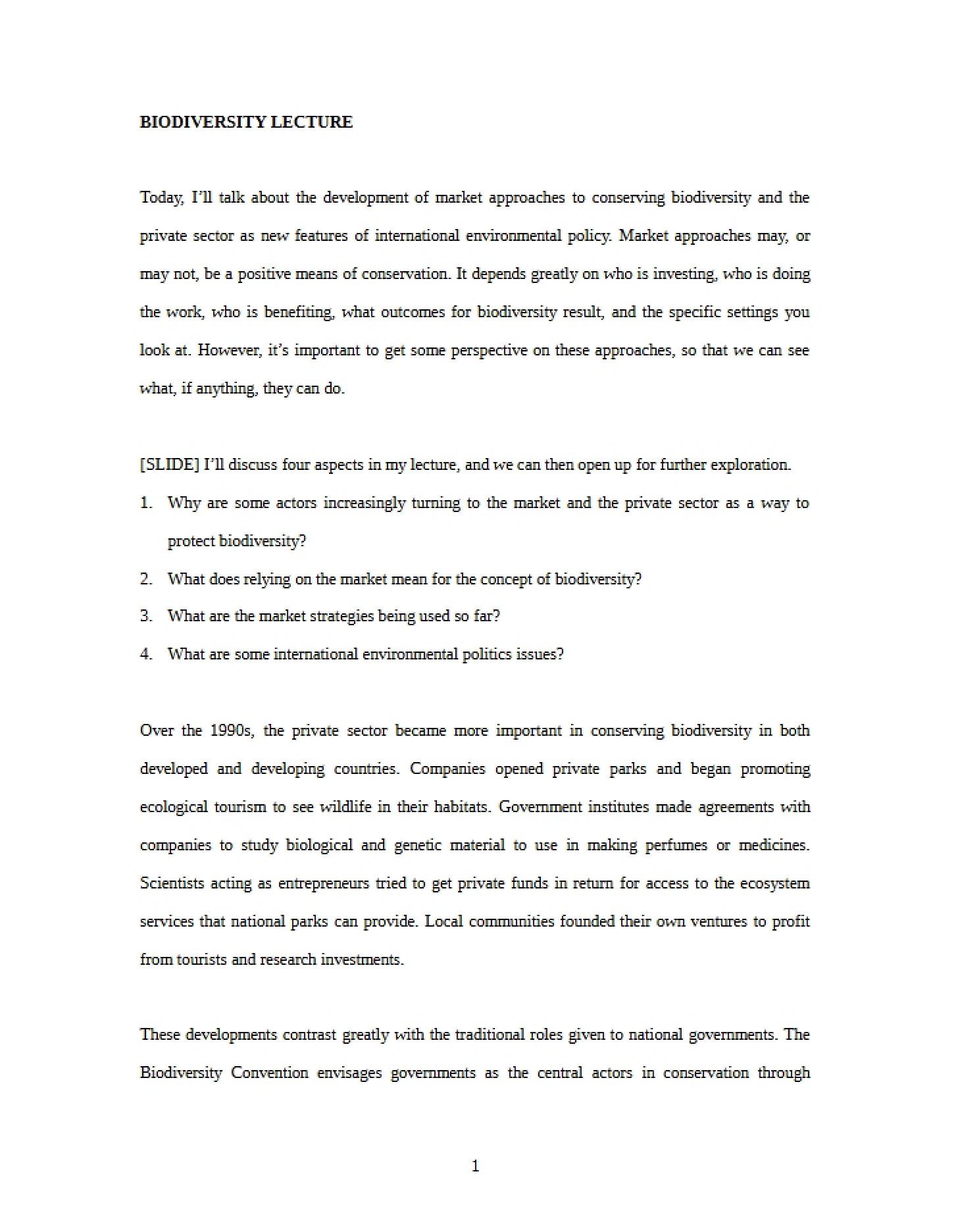
This document comprises lecture notes from ESPM 169, International Environmental Politics at UC Berkeley, specifically focusing on the complex relationship between scientific knowledge and policy-making in the environmental sphere. It delves into the ways knowledge is utilized – and potentially misused – within international environmental politics, examining the inherent uncertainties and dependencies that characterize this field. The material represents a foundational exploration of “knowledge politics” and its impact on global environmental governance.
Why This Document Matters
Students enrolled in courses on environmental policy, international relations, or science and technology studies will find this material particularly valuable. It’s ideal for those seeking a deeper understanding of how scientific findings are integrated (or fail to be integrated) into international agreements and policy decisions. This resource is most helpful when you are beginning to analyze the role of expertise, power dynamics, and differing interpretations of scientific data in shaping environmental outcomes. It provides a critical framework for evaluating the influence of science on global environmental challenges.
Topics Covered
* The interplay between uncertainty and decision-making in environmental politics.
* The role of scientific expertise in international cooperation and negotiation.
* The evolution of scientific thought and its impact on environmental conventions.
* The influence of different knowledge systems, including indigenous technical knowledge.
* The factors determining the influence of scientists in international environmental policy.
* Challenges to scientific integrity and the politicization of scientific findings.
What This Document Provides
* A detailed exploration of the concept of “knowledge politics” and its relevance to international environmental issues.
* An overview of key theoretical frameworks for understanding science-policy interactions.
* Discussion of the varying contexts in which scientists operate (public, private, NGO sectors).
* Examination of the sources and determinants of scientific influence on policy.
* Considerations regarding the responsibilities of scientists in communicating research to policymakers.