What This Document Is
This comprehensive study guide provides a foundational overview of the historical development and core scientific principles within the field of psychology. Specifically, it delves into the methods psychologists use to understand the human mind and behavior, and the key figures who shaped the discipline. It’s designed for students navigating the introductory concepts of the subject, focusing on the transition from early philosophical inquiries to modern, empirically-driven research.
Why This Document Matters
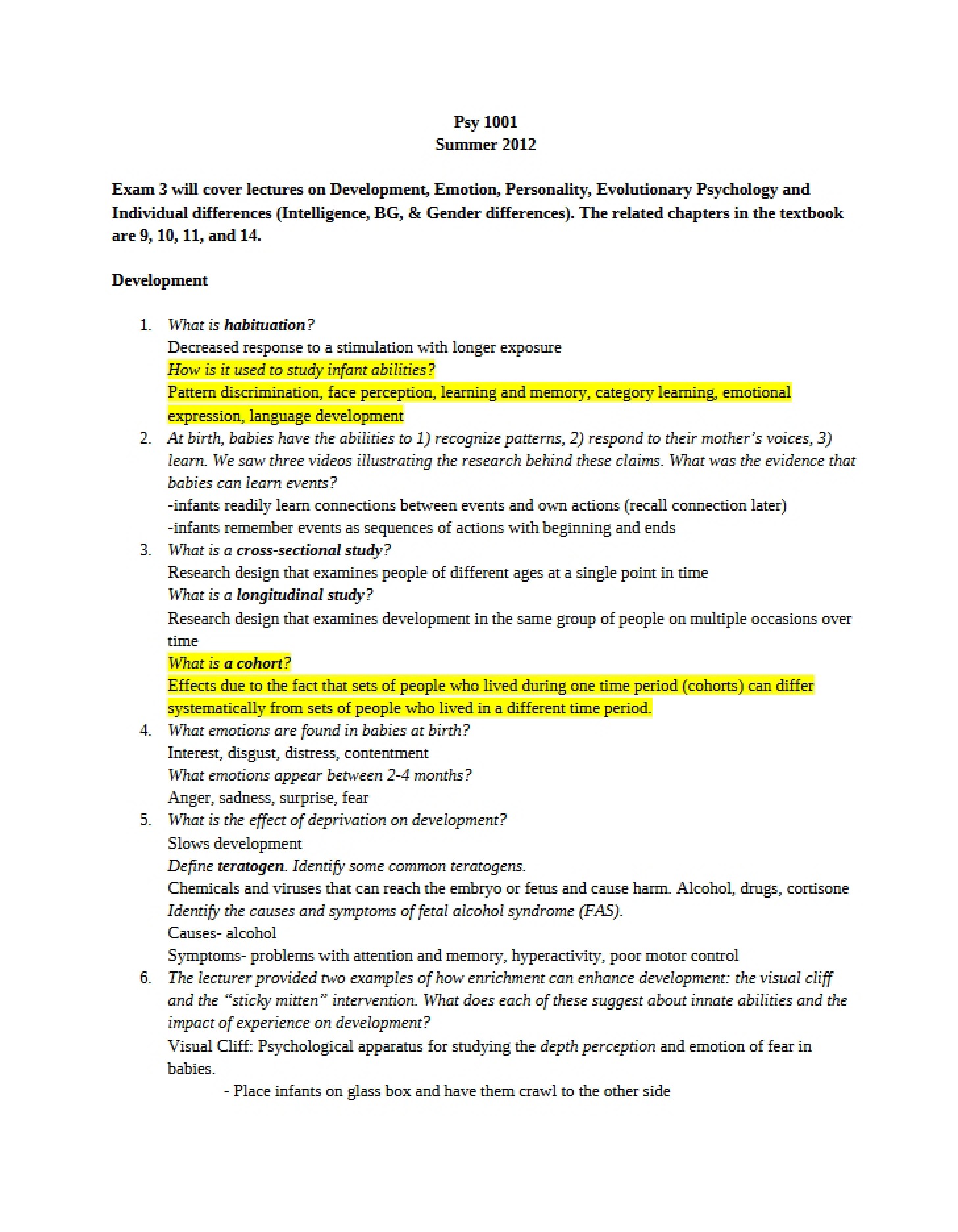
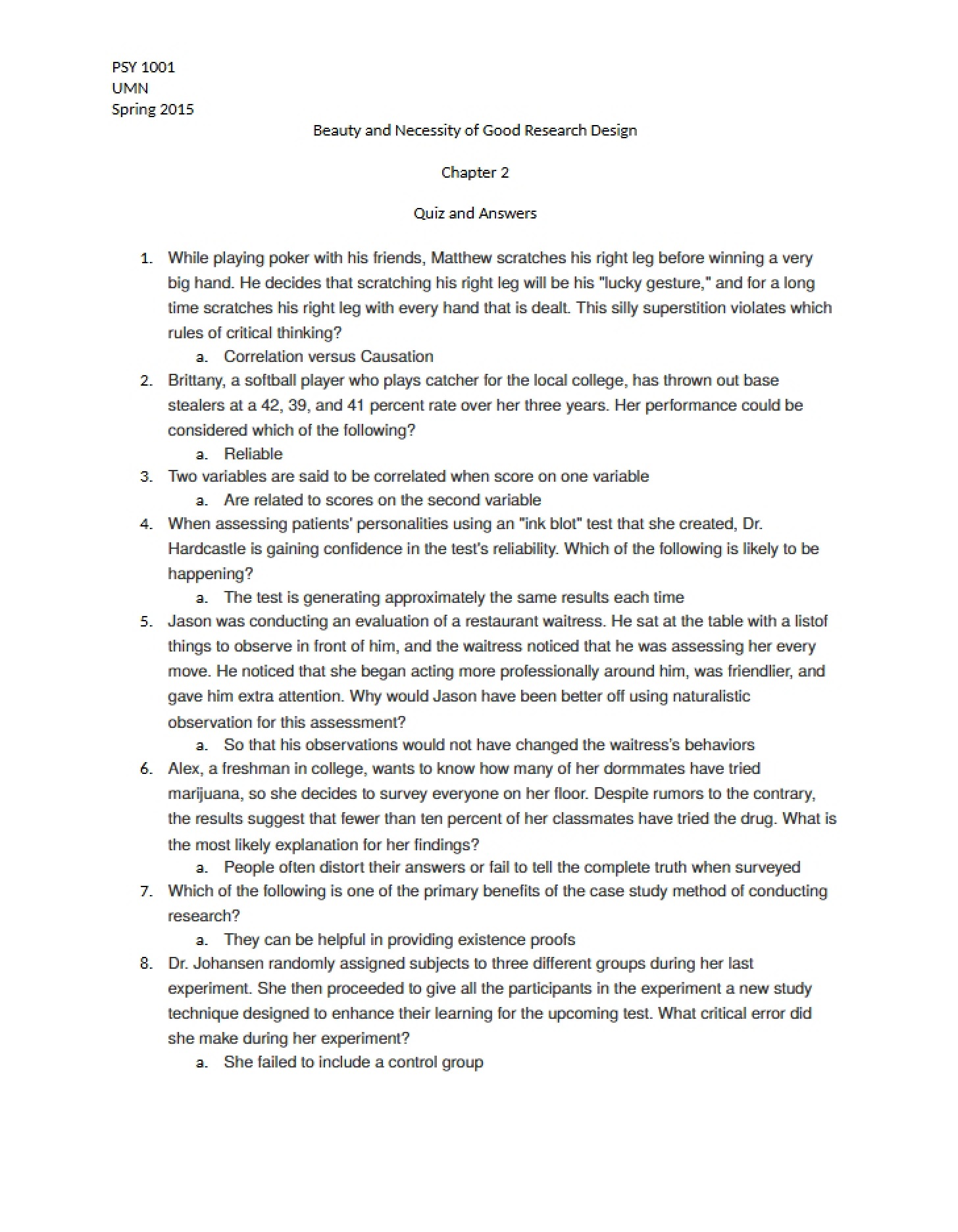
This resource is ideal for students enrolled in an introductory psychology course – like PSY 1001 – seeking to solidify their understanding of the field’s origins and the scientific approaches that underpin psychological study. It’s particularly useful when preparing for assessments, reviewing complex topics, or needing a consolidated resource to complement lectures and textbook readings. Students who find themselves needing to grasp the ‘why’ behind psychological research, and the evolution of different schools of thought, will find this guide exceptionally helpful.
Common Limitations or Challenges
This study guide is designed to *support* learning, not replace core course materials. It does not contain the full scope of an entire semester’s worth of lectures or assigned readings. It focuses on key concepts and historical figures, but won’t provide in-depth analysis of specific studies or current research. It also assumes a basic familiarity with scientific terminology. Access to the full guide is required to unlock detailed explanations and a complete understanding of the topics covered.
What This Document Provides
* An exploration of the fundamental building blocks of psychological inquiry – including definitions of key terms like constructs, operational definitions, and hypotheses.
* A historical overview of the major traditions and influential figures that have shaped the field of psychology.
* An examination of the core principles of scientific thinking crucial for evaluating psychological claims.
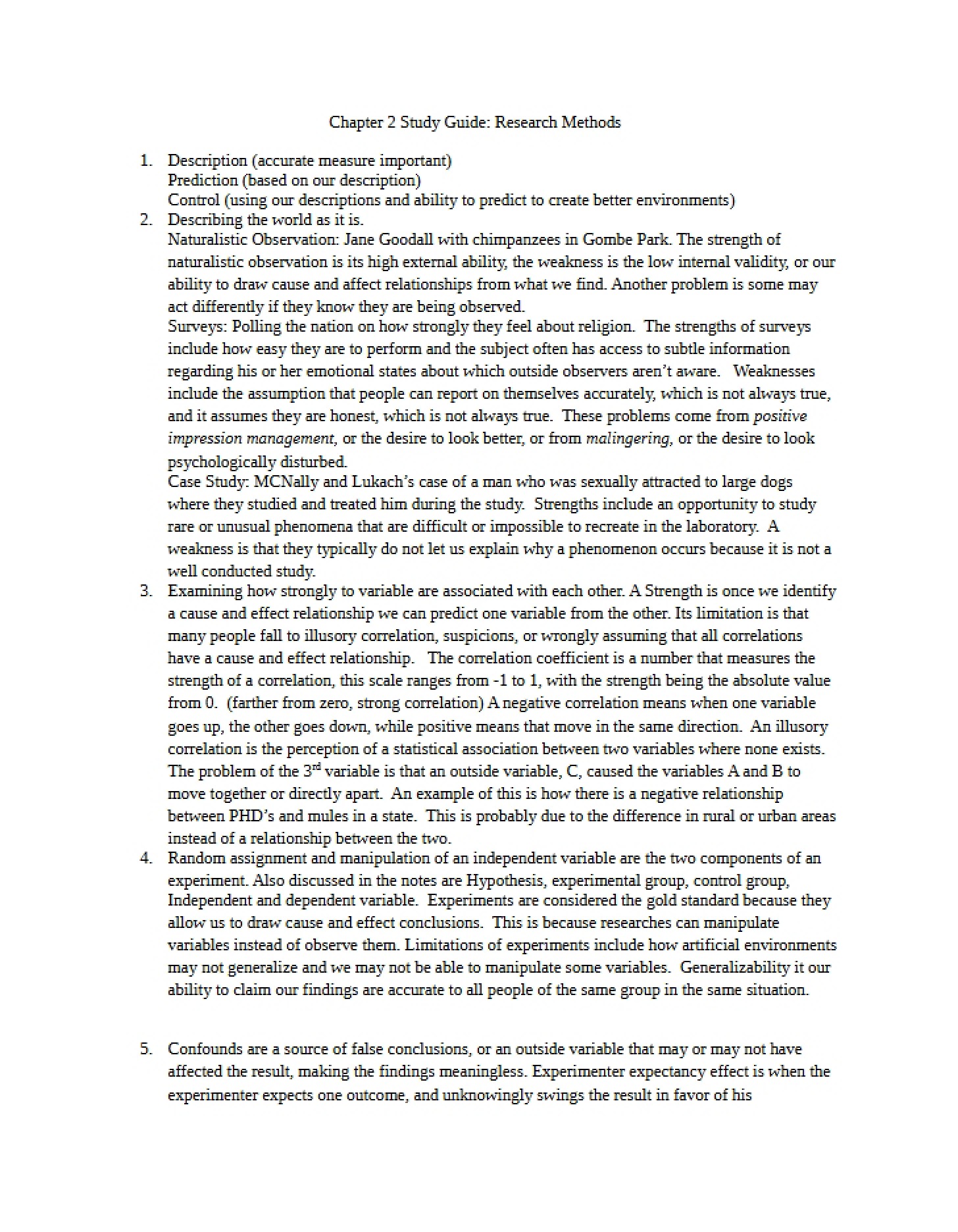
* An introduction to various research methods used in psychology, including descriptive and correlational approaches.
* Discussion of the strengths and limitations associated with different research methodologies.