What This Document Is
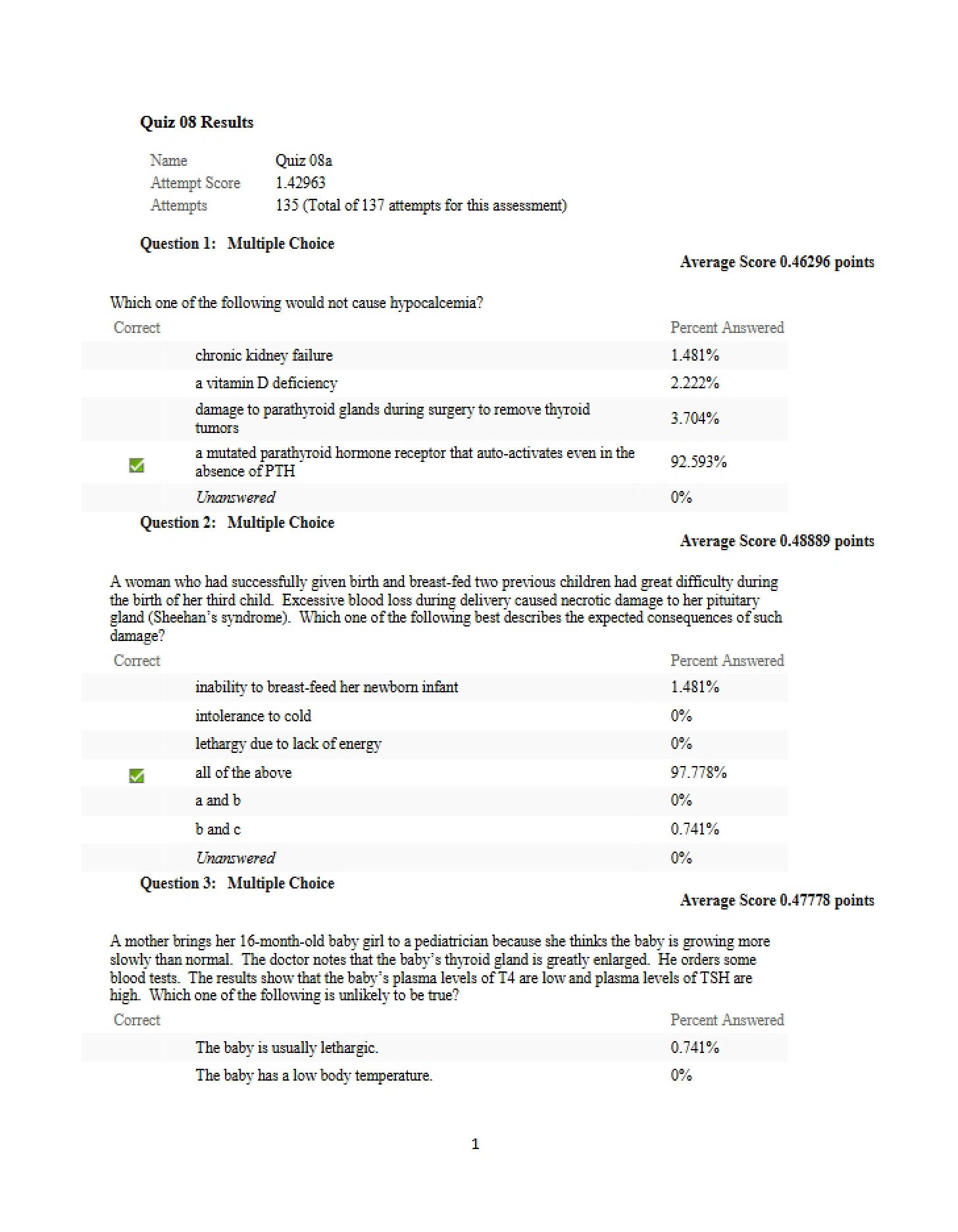
This is a previously administered exam, specifically the second exam from a General Physiology course (BISC 307) at the University of Southern California, given in Spring 2005. It’s designed to assess understanding of core physiological principles covered in the course up to that point in the semester. The document includes a posted answer key, allowing for self-assessment – though access to the full key is restricted. This resource focuses on topics related to sensory systems, neuronal communication, and muscle physiology.
Why This Document Matters
This exam is an invaluable resource for students currently enrolled in or preparing for a similar General Physiology course. It provides a realistic gauge of the types of questions and the level of detail expected by instructors at the university level. Utilizing past exams is a proven strategy for identifying knowledge gaps and refining test-taking skills. It’s particularly useful for students seeking to understand the application of physiological concepts, rather than just memorizing definitions. Reviewing this exam can help you anticipate the format and scope of future assessments.
Common Limitations or Challenges
While this exam offers a strong indication of course expectations, it’s important to remember that course content and emphasis can shift over time. This exam reflects the specific curriculum of a Spring 2005 course and may not perfectly align with current course materials. Furthermore, the answer key is provided but access to the detailed explanations behind those answers is limited. This resource is best used as a practice tool, not a substitute for thorough study of current course materials.
What This Document Provides
* A range of question types, including short answer and multiple-choice.
* Questions covering sensory physiology, including mechanoreceptors and signal transduction.
* Assessment of understanding of neuronal signaling and neurotransmitter function.
* Questions related to skeletal and smooth muscle physiology, including contraction mechanisms.
* Insight into the expected depth of knowledge regarding the autonomic nervous system.
* A posted answer key for immediate self-evaluation (full details behind answers are restricted).