What This Document Is
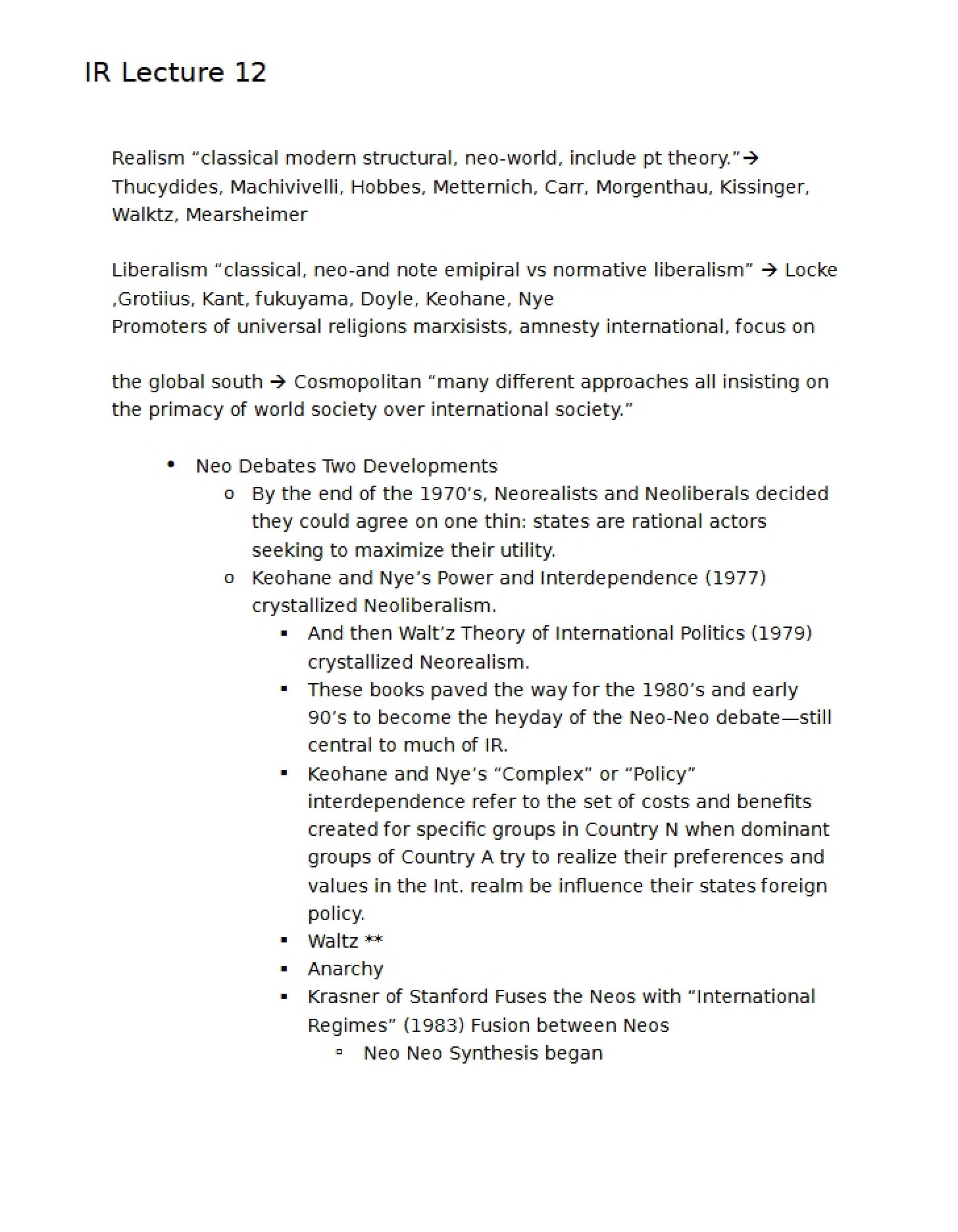
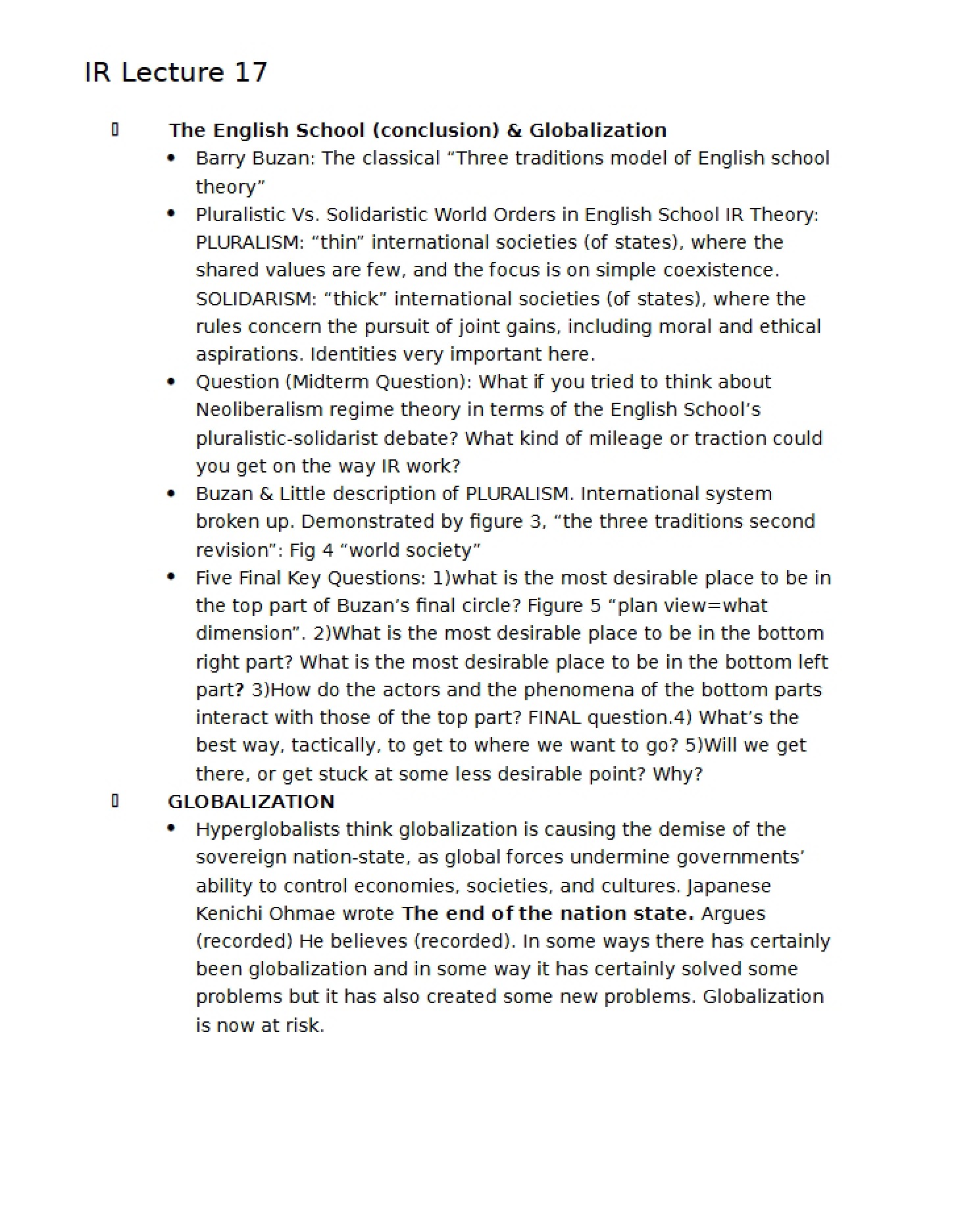
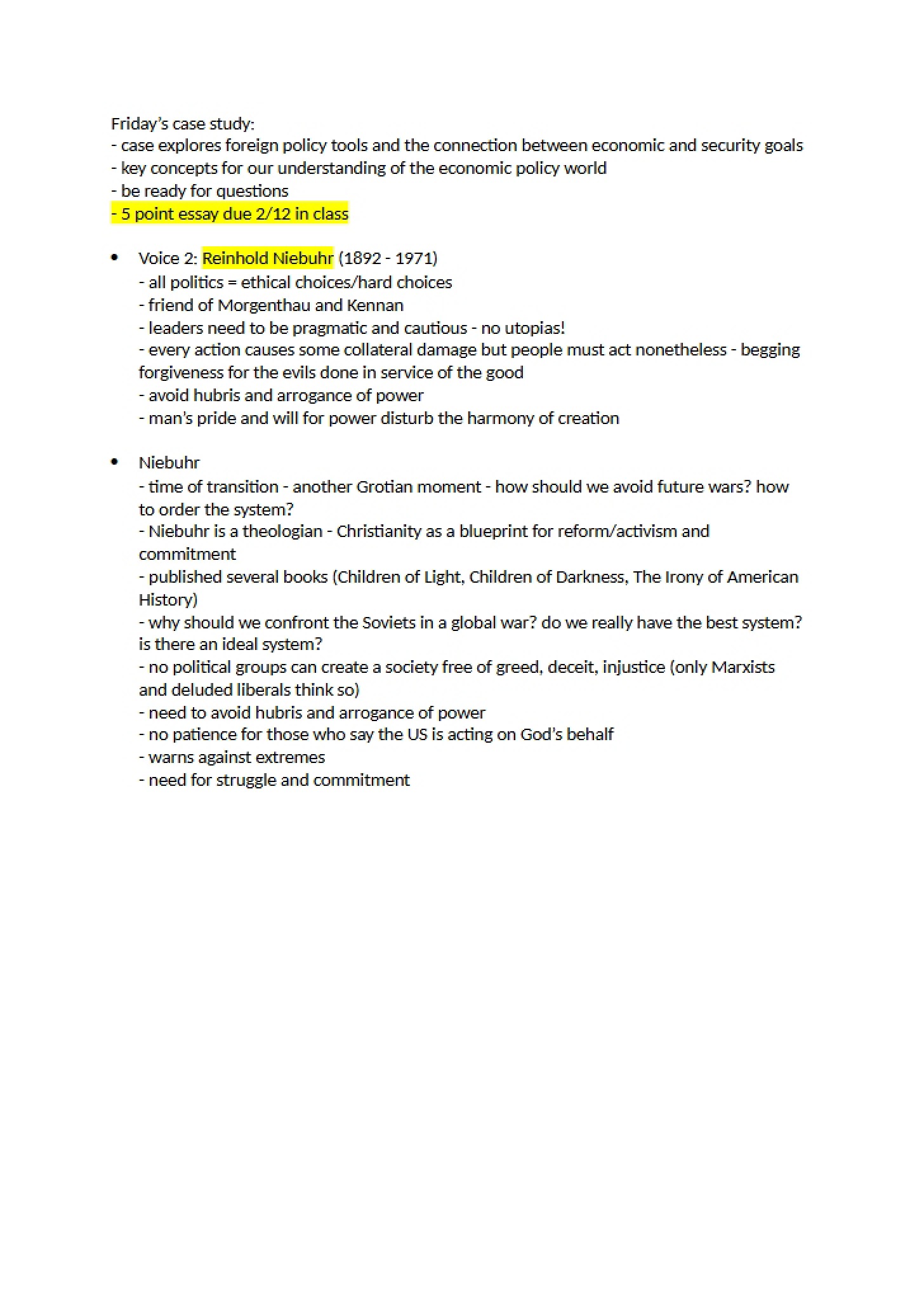
This is a focused study guide designed to support students enrolled in Introduction to International Relations (IR 210) at the University of Southern California. It delves into critical theoretical approaches and potential pitfalls within the field of IR scholarship. The guide centers on dissecting common assumptions and biases that can influence how international politics are understood and analyzed, offering a deeper understanding of the foundations of the discipline. It explores various ‘-isms’ impacting the study of IR, prompting critical self-reflection on established methodologies.
Why This Document Matters
This study guide is invaluable for students preparing for assessments, particularly those requiring nuanced understanding of IR theory. It’s most beneficial when used *alongside* course lectures and assigned readings, serving as a tool for consolidating complex concepts and identifying potential areas for further exploration. Students who grapple with the historical and philosophical underpinnings of IR will find this resource particularly helpful in developing a more sophisticated and critical perspective. It’s ideal for those aiming to move beyond surface-level understanding and engage with the core debates shaping the field.
Common Limitations or Challenges
This guide does not offer a comprehensive overview of *all* IR theories. Instead, it concentrates on a specific set of conceptual lenses and their associated limitations. It will not provide definitive answers or solutions to complex IR problems, but rather equips you with the analytical tools to approach them independently. Furthermore, it doesn’t substitute for active participation in class discussions or thorough engagement with primary source materials. It is designed to *supplement* – not replace – core course materials.
What This Document Provides
* Detailed examination of key theoretical perspectives impacting IR analysis.
* Comparative analysis of different approaches to understanding historical context in IR.
* Identification of potential biases – such as those related to geographical focus or normative assumptions – in IR scholarship.
* Exploration of the relationship between theoretical frameworks and real-world political phenomena.
* A framework for critically evaluating the strengths and weaknesses of various IR methodologies.