What This Document Is
These notes cover foundational concepts in neuronal signaling, specifically building upon the principles introduced in Anatomy & Physiology II (EXSC 224) at the University of South Carolina. The material focuses on the electrical properties of neurons and how they communicate, bridging the gap between basic cellular physiology and the complexities of the nervous system. It combines lecture insights with detailed summaries of textbook chapters relating to cellular communication.
Why This Document Matters
This resource is ideal for students in EXSC 224 seeking a consolidated understanding of action and graded potentials, synaptic transmission, and the factors influencing signal propagation. It’s particularly helpful when reviewing after lectures, preparing for quizzes, or needing a focused resource to reinforce core concepts. Students who find themselves needing to clarify the mechanisms behind neuronal communication will find this a valuable study aid. It’s best used *in conjunction* with textbook readings and active participation in class.
Common Limitations or Challenges
This material provides a detailed overview of the *principles* of neuronal signaling, but it does not offer in-depth explorations of clinical applications or specific neurological disorders. It also doesn’t substitute for a thorough understanding of foundational chemistry and biology concepts necessary for grasping the underlying mechanisms. The notes are a focused compilation and do not include broader course administrative information or assignment details.
What This Document Provides
* A breakdown of the characteristics differentiating graded potentials from action potentials.
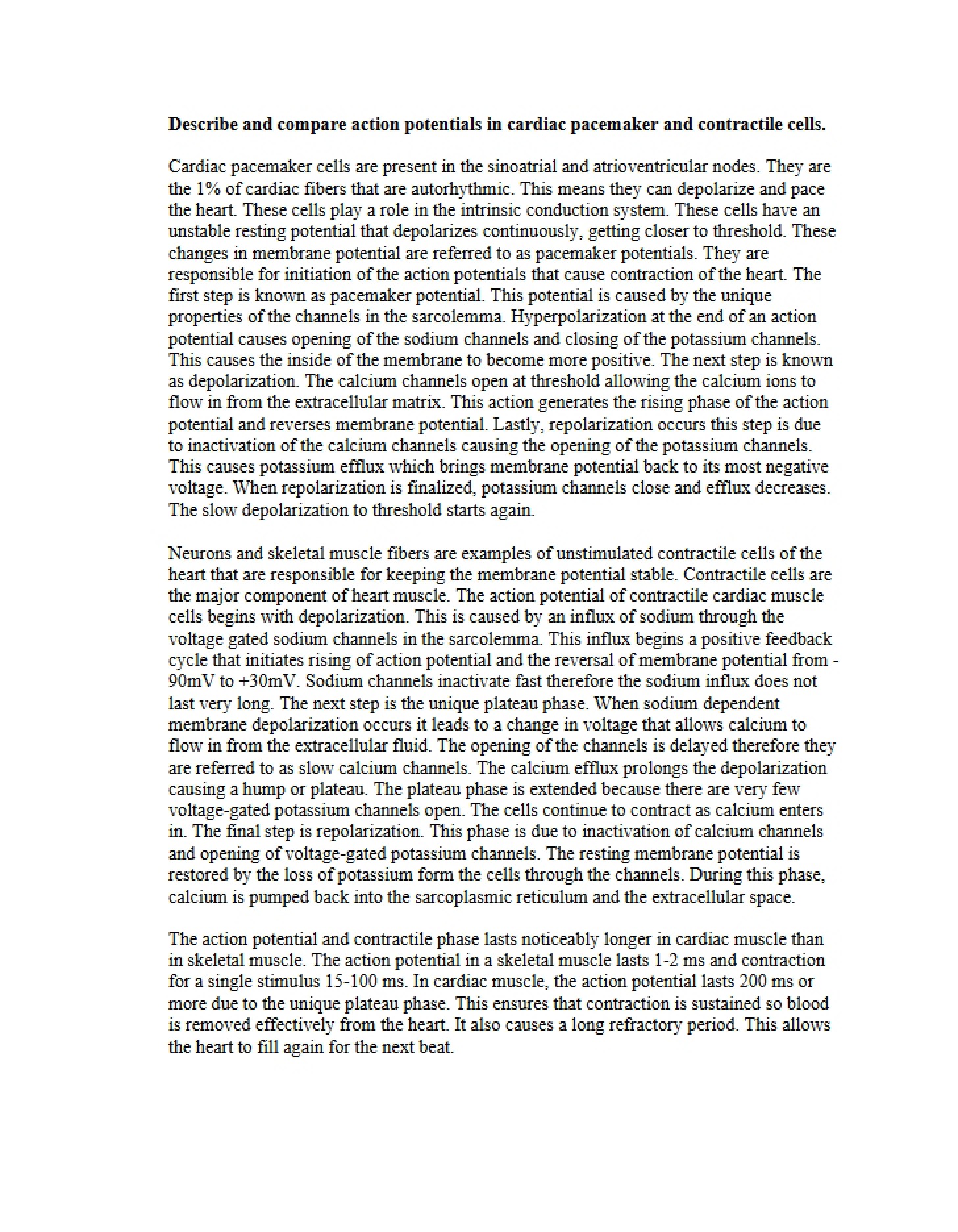
* An overview of the stages involved in generating an action potential.
* Discussion of the role of ion channels and pumps in maintaining neuronal resting potential and signal propagation.
* Key factors influencing the speed and efficiency of nerve impulse conduction.
* An introduction to the fundamental principles of synaptic transmission.
* Explanations of how stimulus strength relates to neuronal response.