What This Document Is
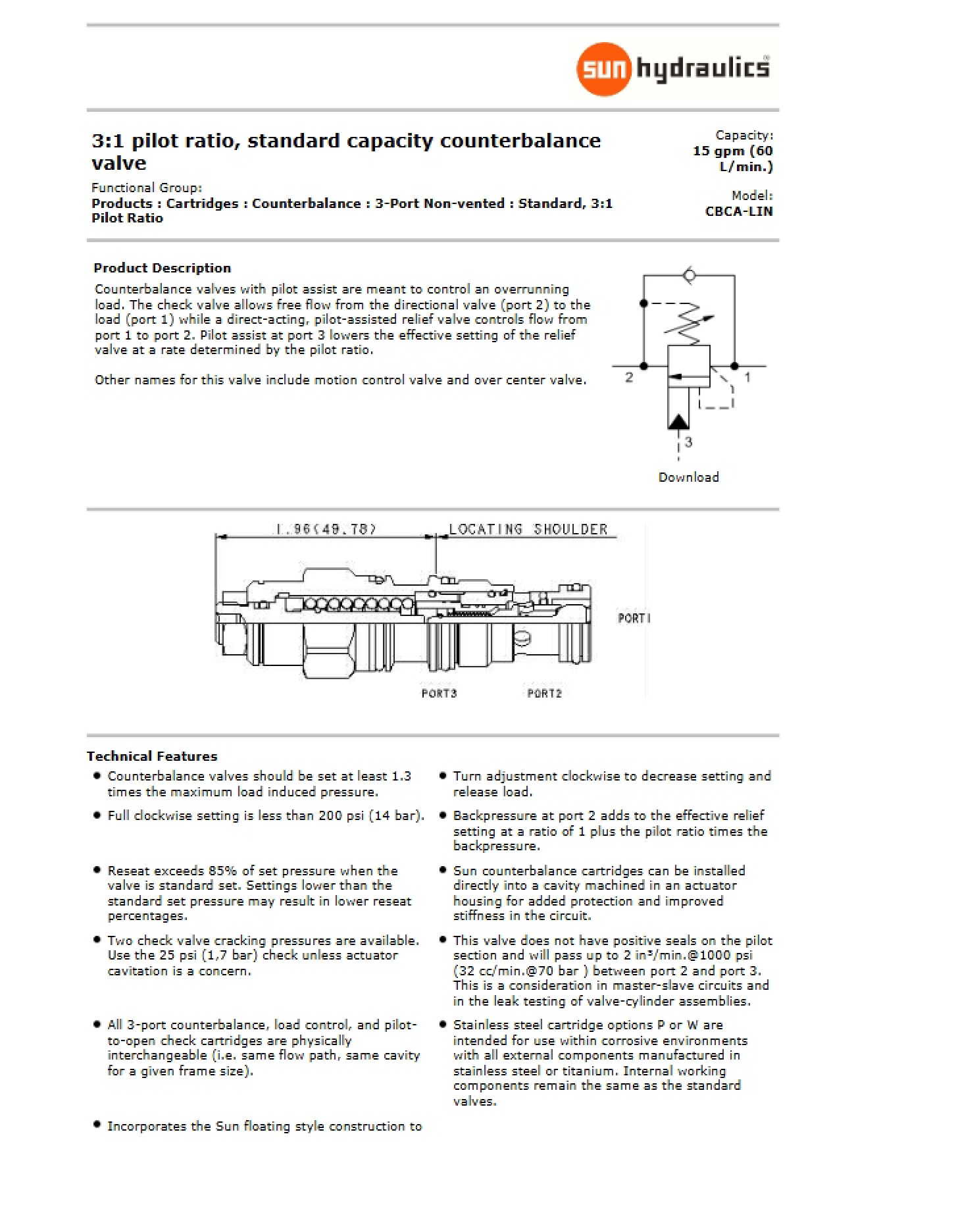
This is a detailed technical specification sheet focusing on a specific type of fluid power control component: a pilot-operated, balanced piston sequence valve. It’s a resource intended for engineering students and professionals working with hydraulic systems, providing in-depth information about the design, function, and performance characteristics of this particular valve model (RSDC-LAN) manufactured by Sun Hydraulics. The document delves into the valve’s operational principles and its place within broader hydraulic circuits.
Why This Document Matters
This resource is invaluable for students in fluid power control courses, particularly those engaged in laboratory work or design projects. Practicing engineers involved in the specification, maintenance, or troubleshooting of hydraulic systems will also find it beneficial. Understanding sequence valves is crucial for controlling the order of operations in hydraulic circuits, and this document offers a concentrated source of information for those needing to select the appropriate valve for a given application or analyze its behavior. It’s particularly useful when needing to understand the nuances of balanced piston designs and pilot operation.
Common Limitations or Challenges
This document is a technical specification and does *not* provide a comprehensive introduction to fluid power principles. It assumes a foundational understanding of hydraulics, including concepts like pressure, flow, and valve operation. It also doesn’t include step-by-step instructions for installation, programming, or circuit design. While it details performance characteristics, it doesn’t offer comparative analysis against other valve types or manufacturers. It focuses solely on the RSDC-LAN model and its variations.
What This Document Provides
* Detailed functional group and product description of the sequence valve.
* Technical features outlining design considerations and capabilities.
* Precise technical data including cavity size, capacity, control flow, and maximum pressure ratings (in both US and Metric units).
* Information regarding material construction and available corrosion-resistant options.
* Valve adjustment details, including torque specifications and adjustment ranges.
* Seal kit compatibility information.
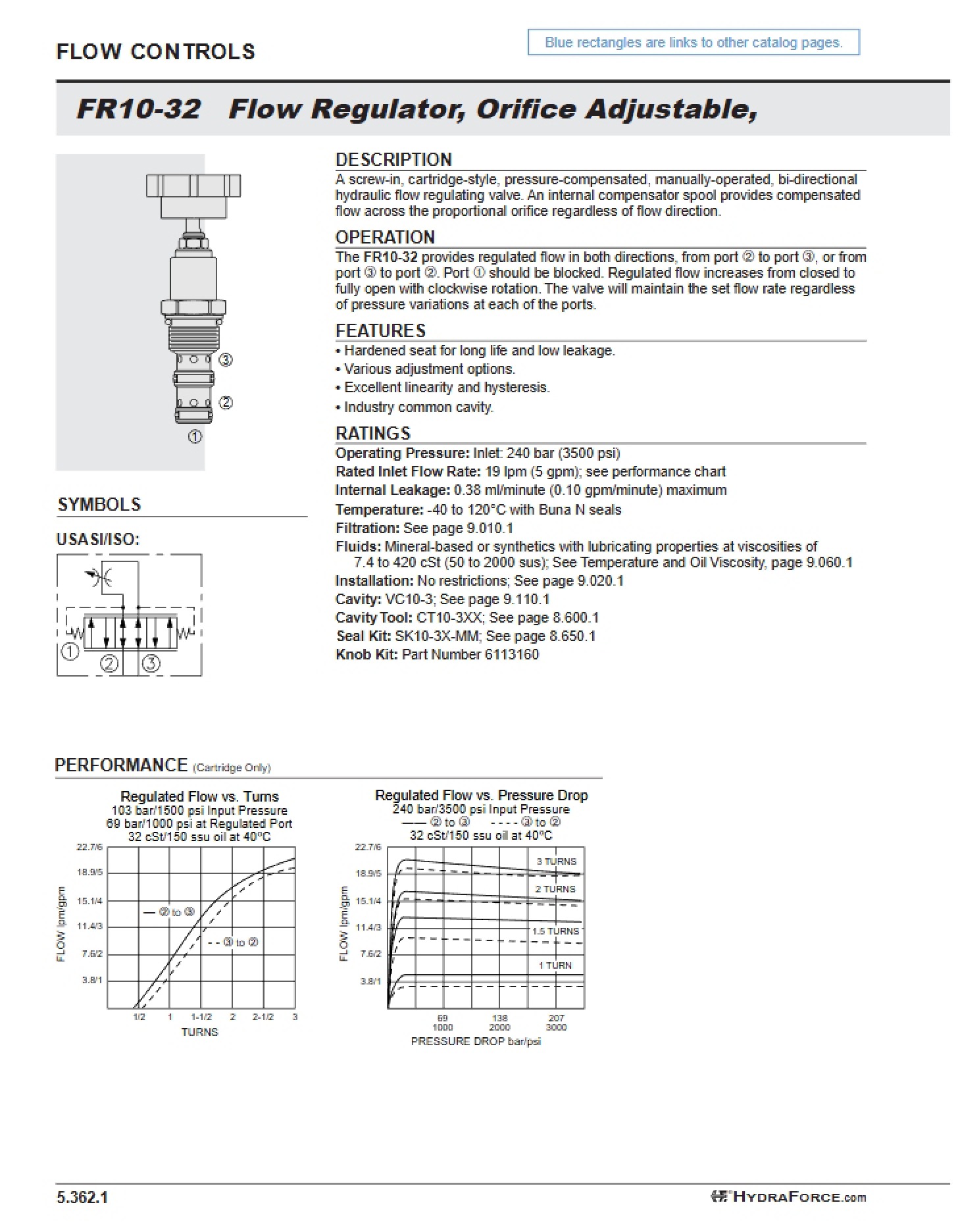
* Graphical representations of pressure drop characteristics.
* Pricing information and available modifiers for customization.