What This Document Is
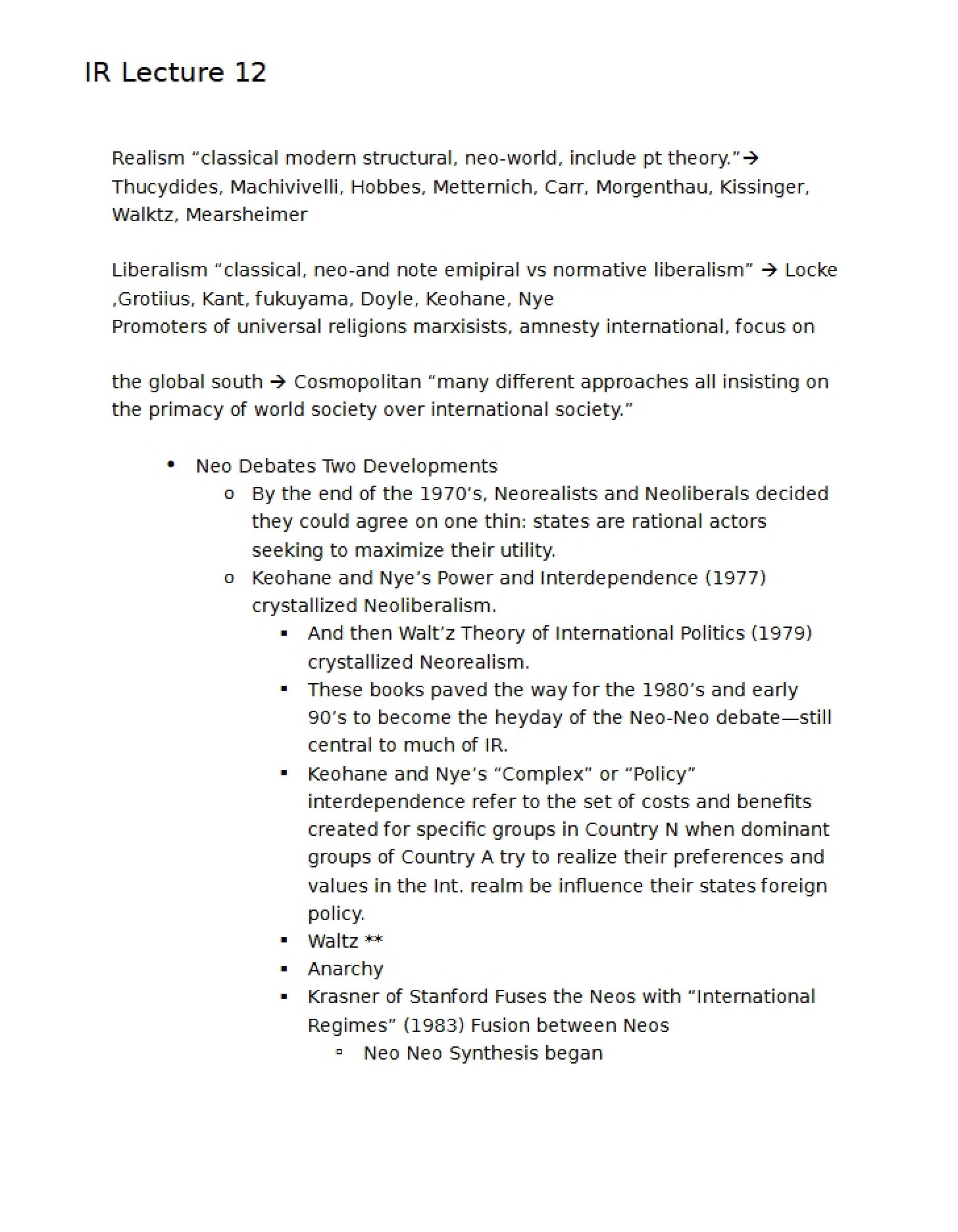
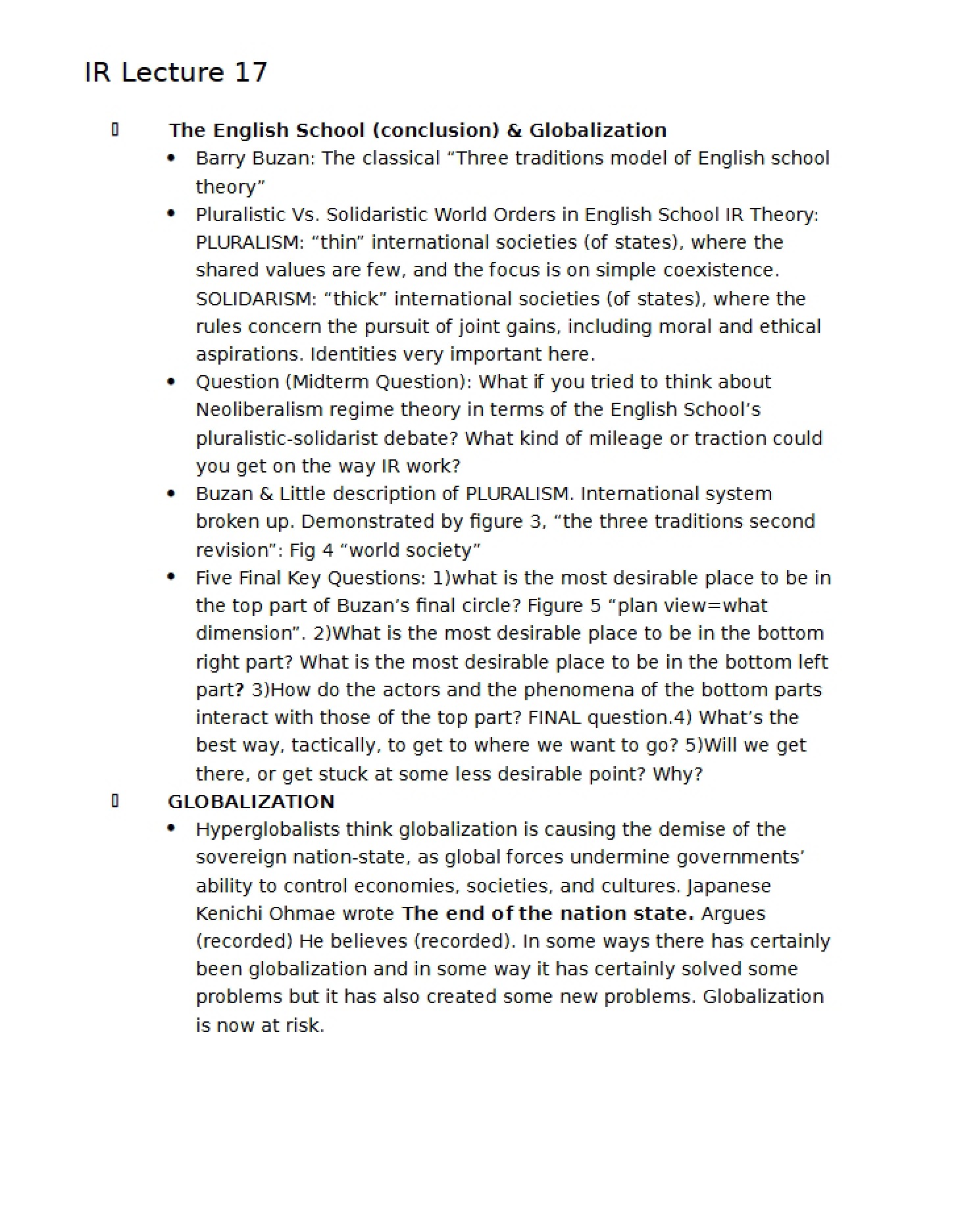
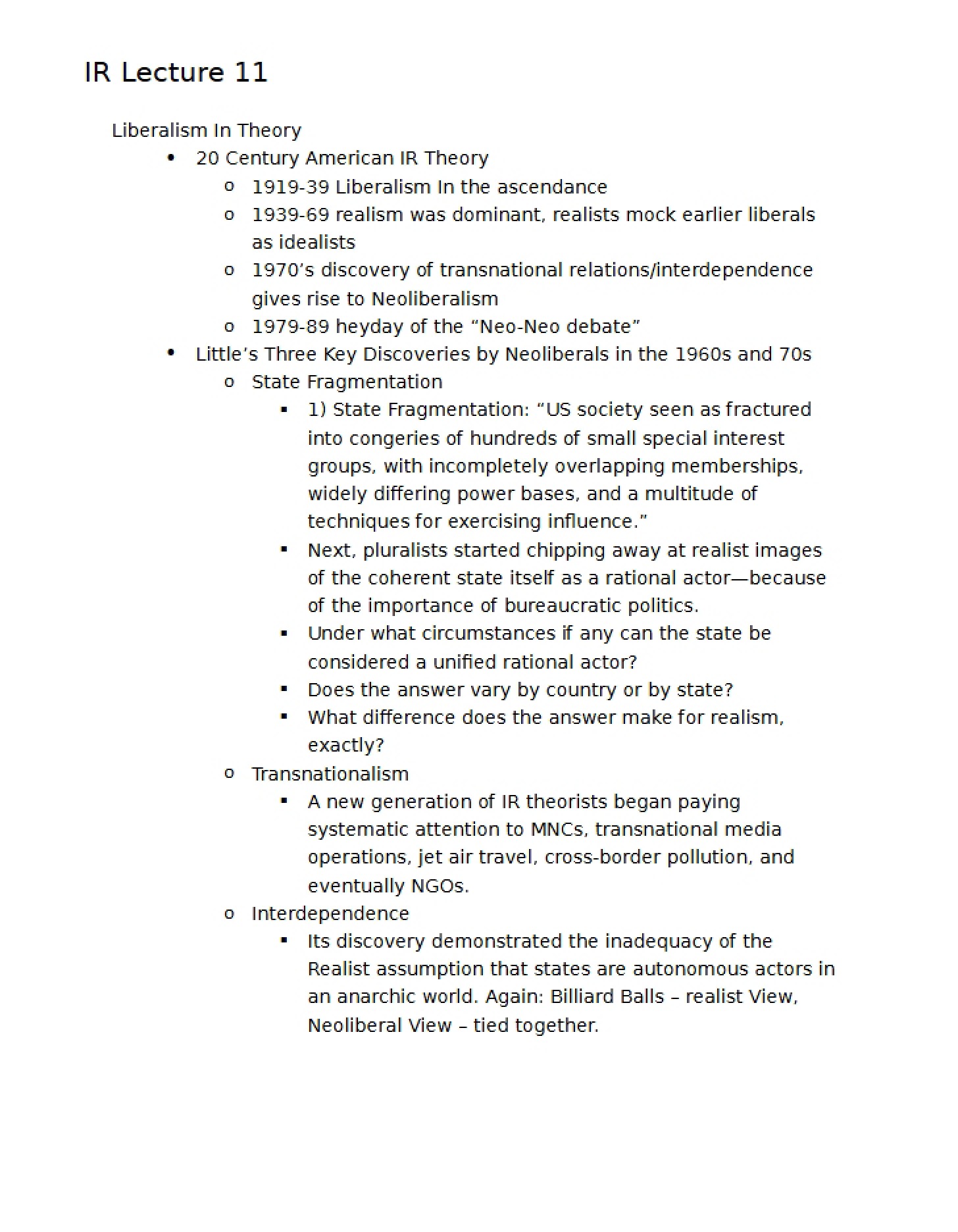
This material represents Session Eight for Introduction to International Relations (IR 210) at the University of Southern California. It delves into the foundational theories of political realism, exploring the perspectives of key historical thinkers who shaped our understanding of international politics. The session focuses on core concepts relating to state behavior, power dynamics, and the enduring challenges of conflict and cooperation in a world characterized by anarchy. It examines the historical context and intellectual roots of realism as a dominant school of thought in IR.
Why This Document Matters
Students enrolled in IR 210 – and anyone seeking a robust grounding in international relations theory – will find this session particularly valuable. It’s ideal for use when preparing for class discussions, formulating research papers, or simply seeking a deeper comprehension of the historical development of realist thought. Understanding these foundational concepts is crucial for analyzing current events and predicting future trends in global politics. This material will be most helpful *before* engaging with more complex contemporary theories.
Common Limitations or Challenges
This session provides a focused exploration of classical realist thought. It does not offer a comprehensive overview of *all* IR theories, nor does it provide detailed case studies applying these concepts to specific geopolitical situations. It also doesn’t cover modern variations of realism in extensive detail, focusing instead on the original thinkers and their core arguments. It’s designed to build a theoretical foundation, not to provide ready-made answers to contemporary policy debates.
What This Document Provides
* Exploration of the contributions of Thucydides to the realist tradition.
* Analysis of the philosophical underpinnings of realism, including discussions of morality and human nature.
* Examination of the key ideas presented in seminal works of political philosophy.
* Insights into the relationship between domestic politics and international relations from a realist perspective.
* Discussion of the role of power, war, and security in the international system.
* Introduction to the concept of structural realism and its connection to earlier theories.
* Consideration of the challenges to maintaining order in an anarchic international environment.