What This Document Is
These session notes offer a focused review of core principles and terminology essential to understanding experimental design within the field of behavioral neuroscience. Specifically, they delve into the methodologies used to investigate the relationship between drugs and brain function, providing a foundational understanding of how research in this area is conducted. This resource is designed to complement lectures and readings from PSYC 414 at the University of Delaware.
Why This Document Matters
Students enrolled in Drugs and the Brain (PSYC 414) will find these notes particularly helpful when preparing for quizzes, exams, and research projects. They are ideal for reinforcing key concepts related to experimental control, participant selection, and data interpretation. Anyone seeking a concise yet comprehensive overview of research methods applied to psychopharmacology will benefit from accessing these notes. This is a valuable resource for solidifying your understanding of how scientists rigorously study the effects of substances on the nervous system.
Topics Covered
* Independent and Dependent Variables
* Experimental Group Design (Between & Within Groups)
* Control Groups & Potential Confounds
* Threats to Internal Validity (Selection Effects, Order Effects)
* Types of Experimental Designs (Pretest/Posttest, Concurrent Measures)
* Statistical Power & Significance
* Manipulation Checks & Pilot Studies
* Order Effects & Counterbalancing Techniques
What This Document Provides
* Definitions of key terms related to experimental methodology.
* An overview of different approaches to designing experiments investigating drug effects.
* A structured presentation of concepts related to controlling for extraneous variables.
* A framework for understanding the challenges and considerations in conducting research with human participants.
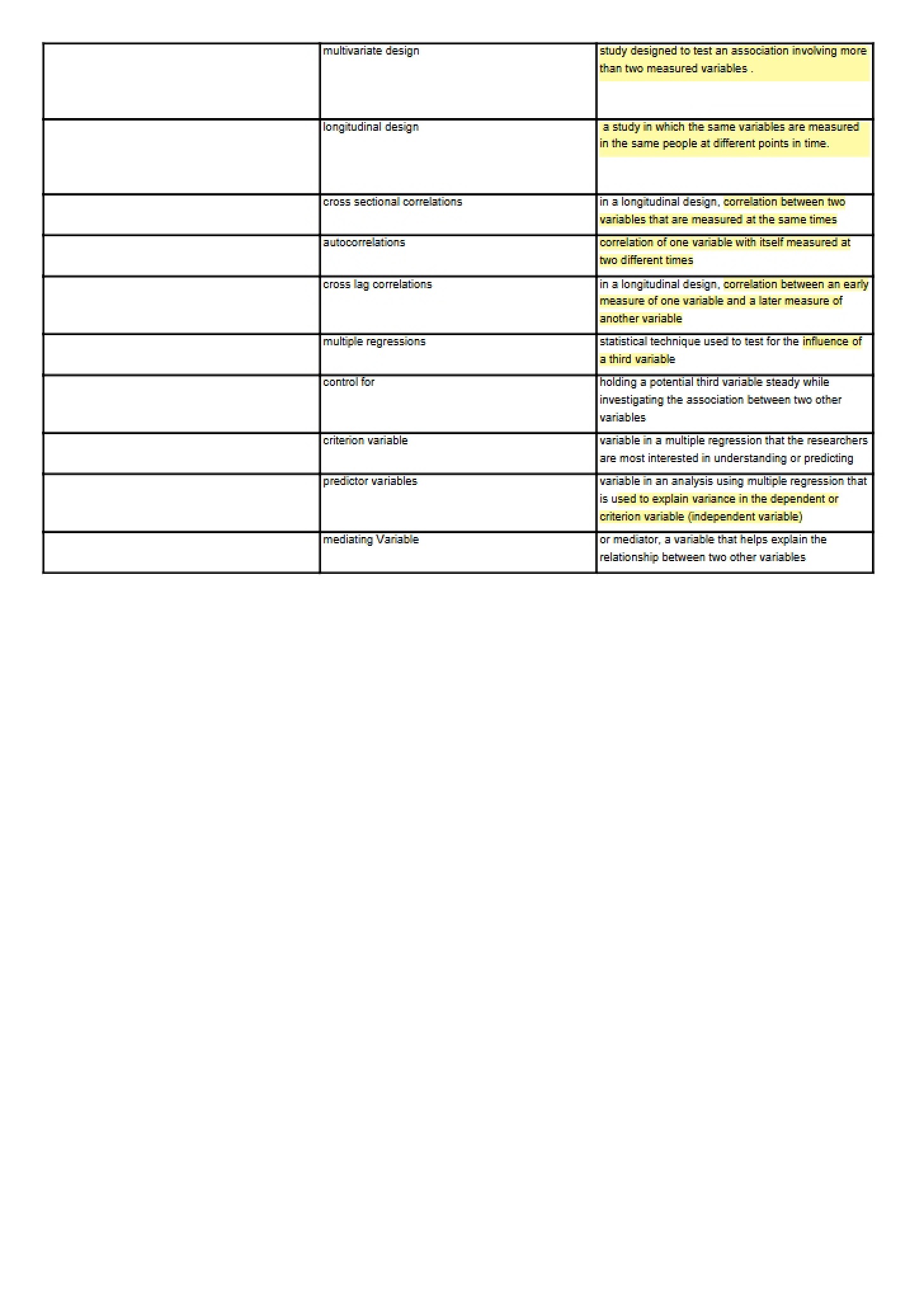
* A glossary of terms related to experimental design and statistical interpretation.