What This Document Is
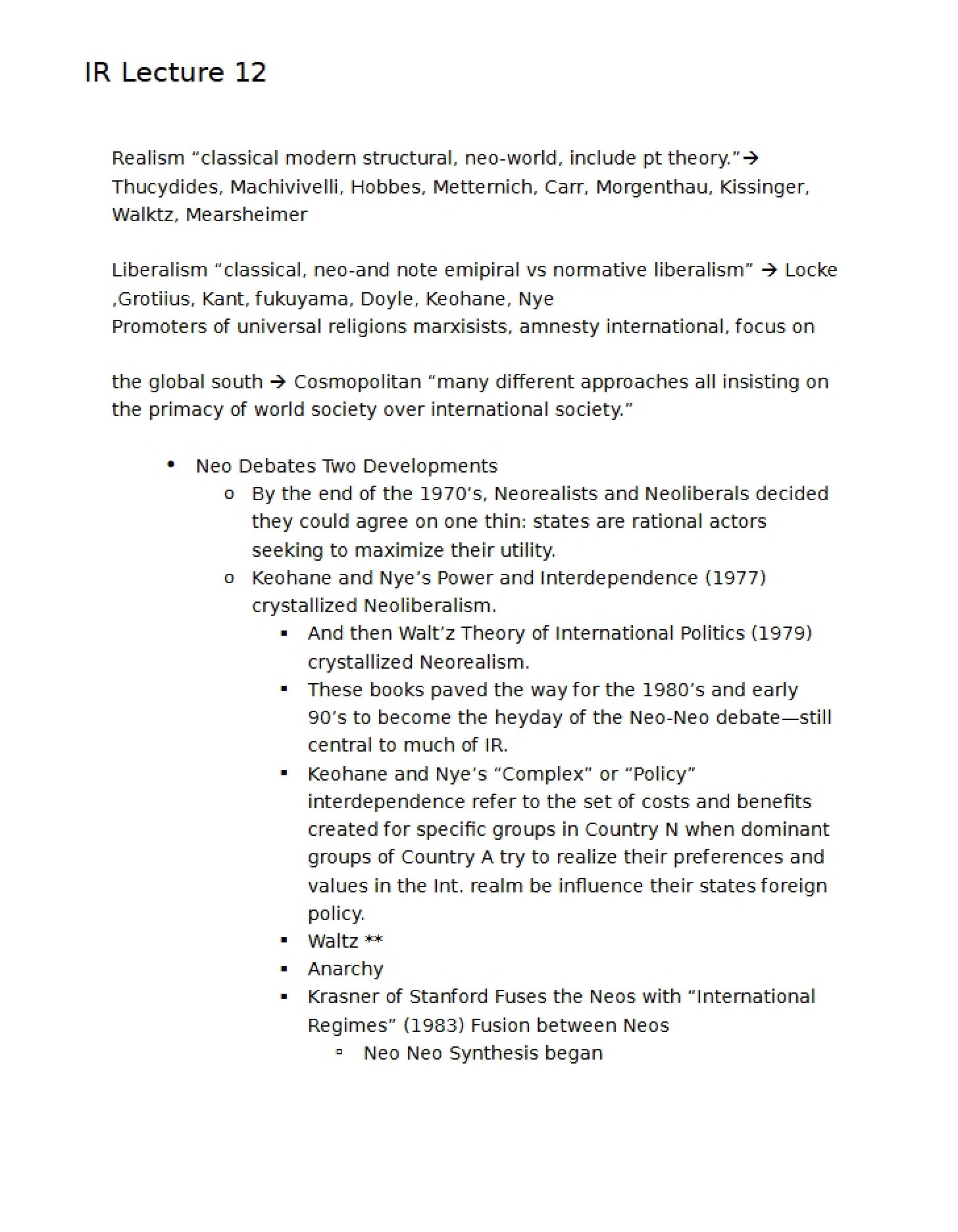
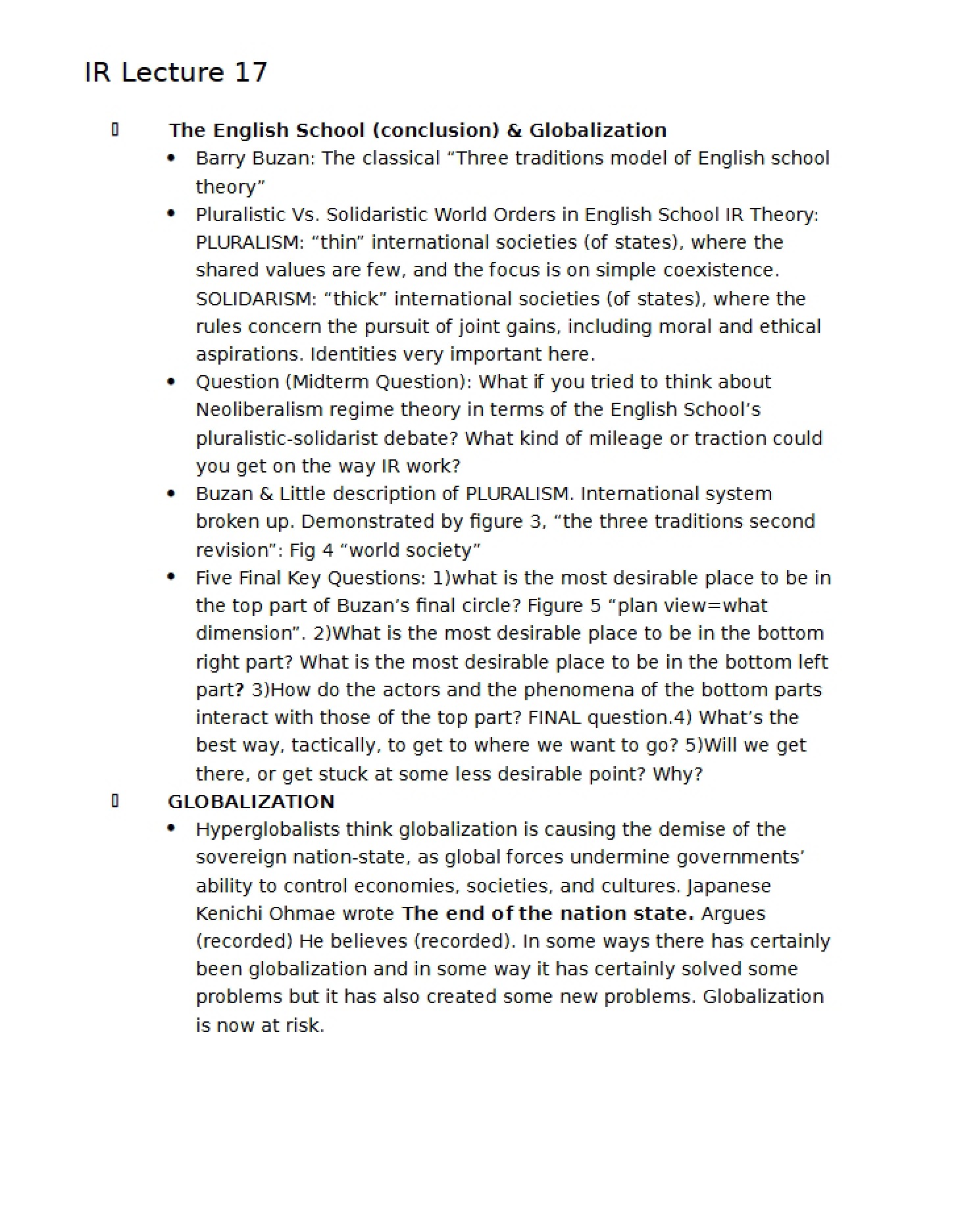
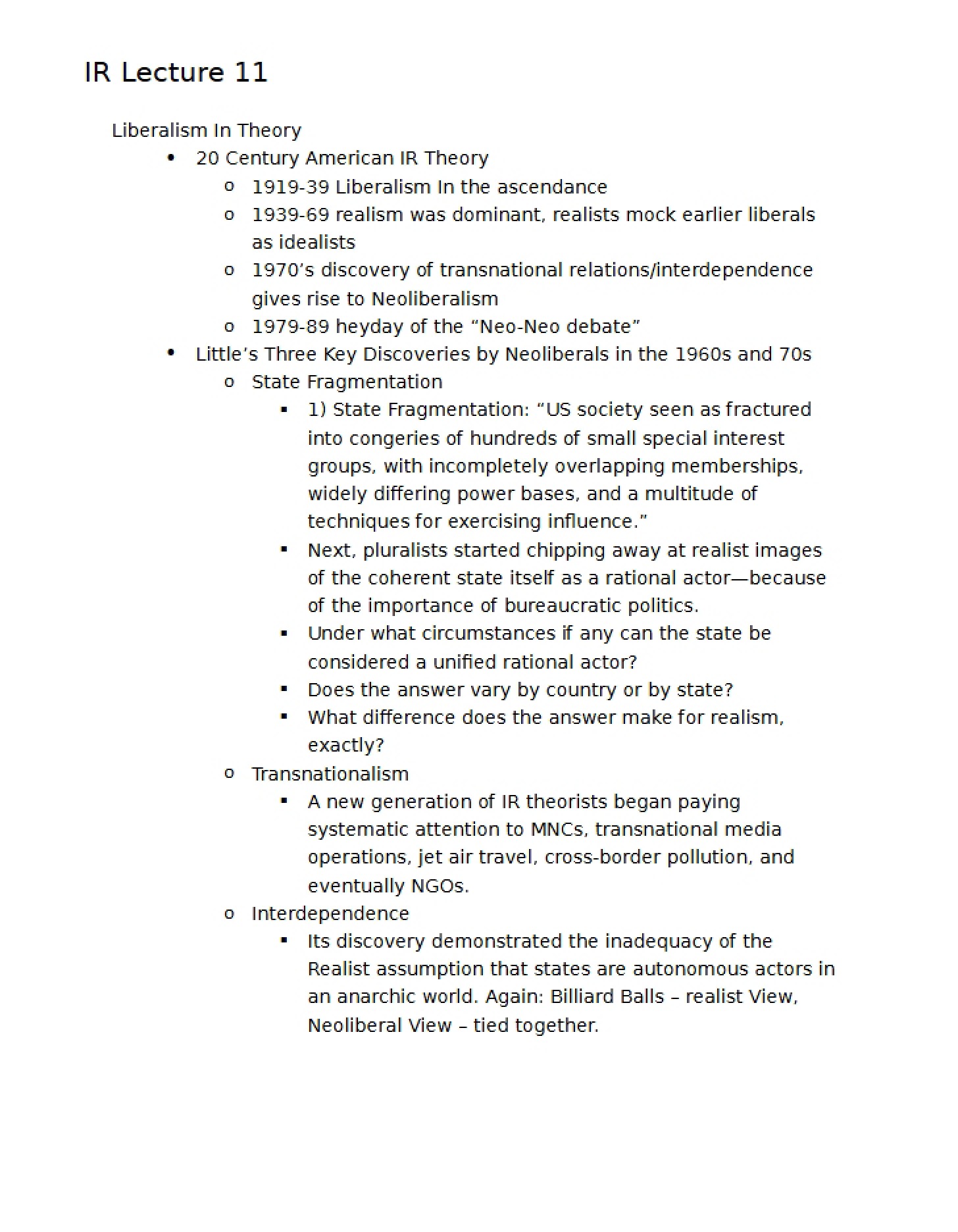
This material represents a focused exploration of key theoretical frameworks within International Relations, specifically building upon discussions of state sovereignty and global governance. It delves into contrasting perspectives on international order, moving beyond traditional realist thought to examine alternative approaches rooted in philosophical traditions like Kantianism and Grotianism. The session centers on understanding how different schools of thought conceptualize the responsibilities of states within a globalized world, and how these conceptions impact approaches to international cooperation and conflict.
Why This Document Matters
Students enrolled in IR 210 at USC will find this session particularly valuable as they grapple with the complexities of international politics. It’s ideal for review before exams, for clarifying nuanced theoretical positions, or for preparing for class discussions. Those seeking a deeper understanding of the historical and philosophical underpinnings of contemporary international issues – such as humanitarian intervention, global economic governance, and the role of international institutions – will benefit greatly. This material is designed to strengthen your analytical skills and ability to critically evaluate different perspectives on global challenges.
Common Limitations or Challenges
This session provides a concentrated overview of complex theoretical concepts. It does *not* offer definitive answers or policy prescriptions. It’s important to remember that these are theoretical lenses, and their application to real-world events requires careful consideration and critical thinking. The material assumes a foundational understanding of core IR concepts like sovereignty, power, and international institutions, and does not serve as a substitute for attending lectures or completing assigned readings.
What This Document Provides
* An examination of the challenges to traditional understandings of national interest in a globalized context.
* A comparative analysis of different perspectives on the responsibility to protect populations from harm.
* An overview of varying viewpoints on the structure and function of the global economy.
* A detailed exploration of the Grotian tradition in international relations, including its historical roots and contemporary relevance.
* A framework for understanding different approaches to international regimes and their role in promoting cooperation.