What This Document Is
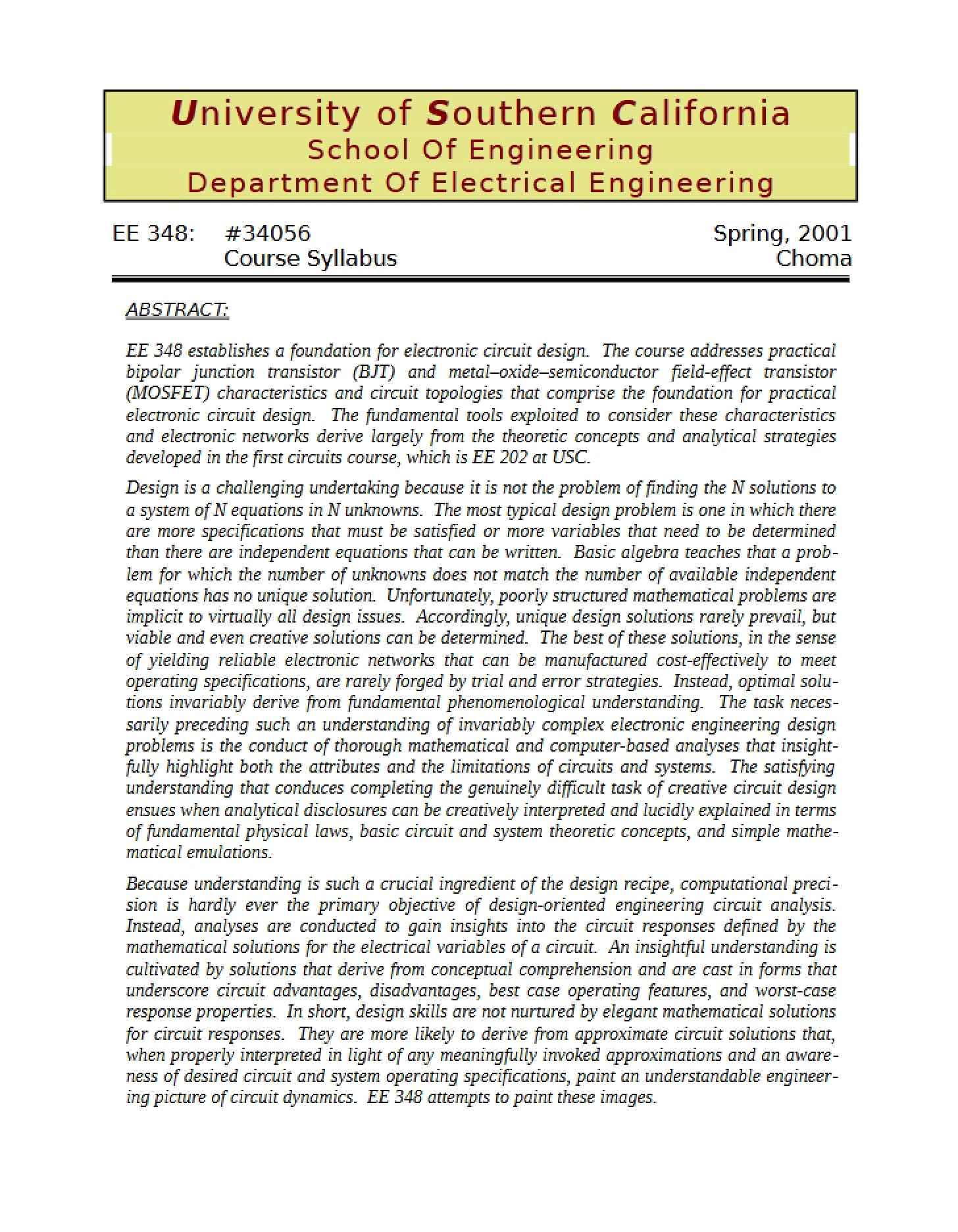
This is a detailed laboratory experiment guide for an Electronic Circuits course (EE 348L) at the University of Southern California. Specifically, this installment – Experiment #7 – focuses on the fundamental principles and practical applications of the Bipolar Junction Transistor (BJT). It’s designed to accompany hands-on laboratory work, bridging theoretical concepts with real-world circuit analysis and design. The guide provides a structured approach to understanding BJT behavior and its use in common amplifier configurations.
Why This Document Matters
This resource is essential for students enrolled in an electronic circuits course seeking a deeper understanding of BJTs. It’s particularly valuable when preparing for lab sessions, needing a reference during experimentation, or reviewing key concepts after a lab. Students aiming to build a strong foundation in analog circuit design will find this guide incredibly helpful. It’s ideal for those who learn best by combining theoretical explanations with practical application and detailed circuit analysis. Understanding BJTs is a cornerstone of many electrical engineering disciplines.
Common Limitations or Challenges
This guide is focused specifically on the Bipolar Junction Transistor and its applications within a laboratory setting. It does *not* cover alternative transistor types (like MOSFETs) in detail, nor does it provide a comprehensive overview of all analog circuit design techniques. It assumes a foundational understanding of basic circuit analysis principles (Ohm’s Law, Kirchhoff’s Laws, etc.). While it prepares you for experimentation, it doesn’t replace the need for active participation and critical thinking during the lab itself.
What This Document Provides
* A focused exploration of BJT theory, including different operating regions.
* Discussion of key BJT parameters and their influence on circuit performance.
* Detailed examination of common BJT circuit configurations, such as common-emitter amplifiers.
* Analysis of biasing techniques for stable BJT operation.
* Introduction to advanced circuit elements utilizing BJTs, like current sources.
* Guidance on utilizing SPICE simulation software for BJT circuit analysis.
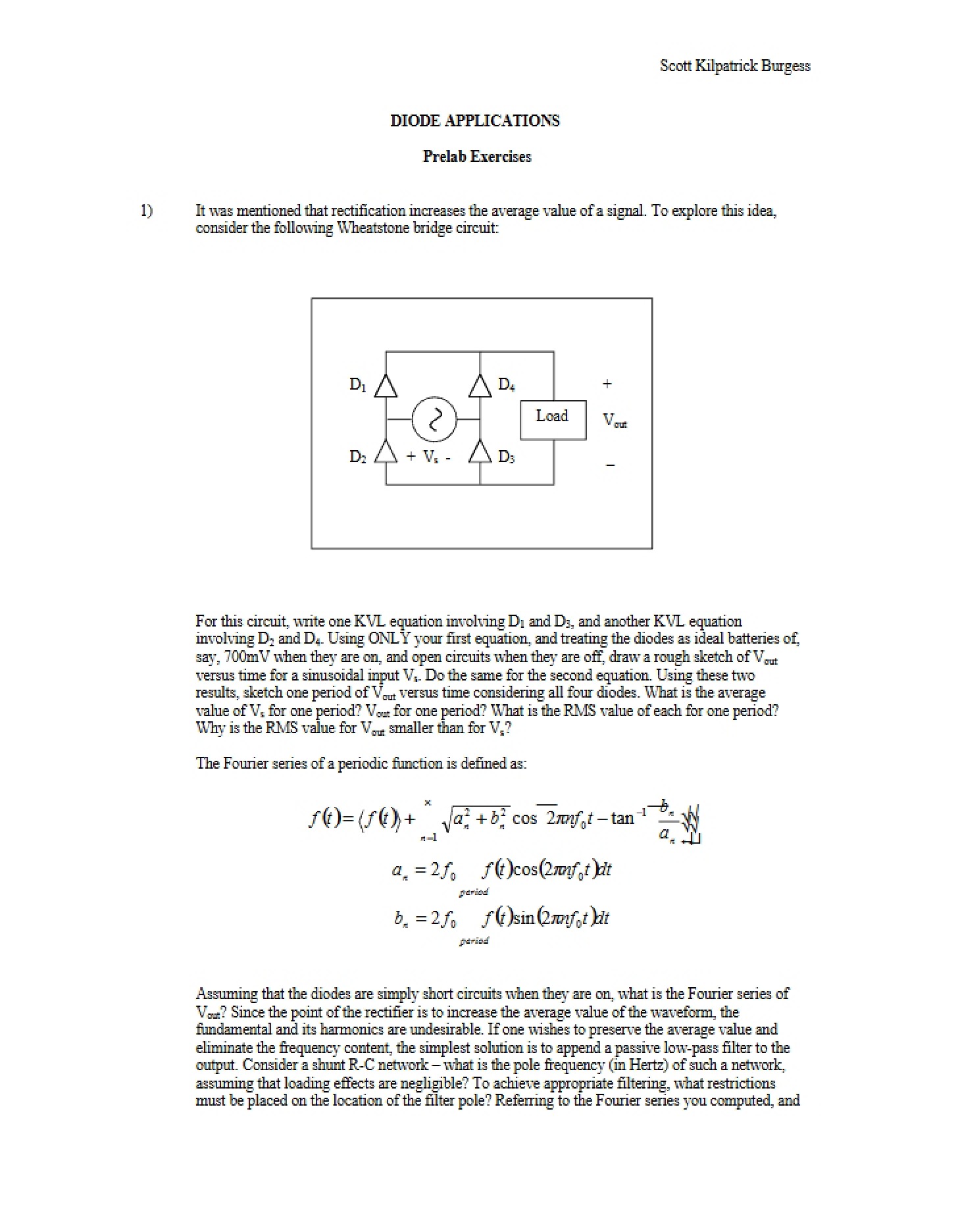
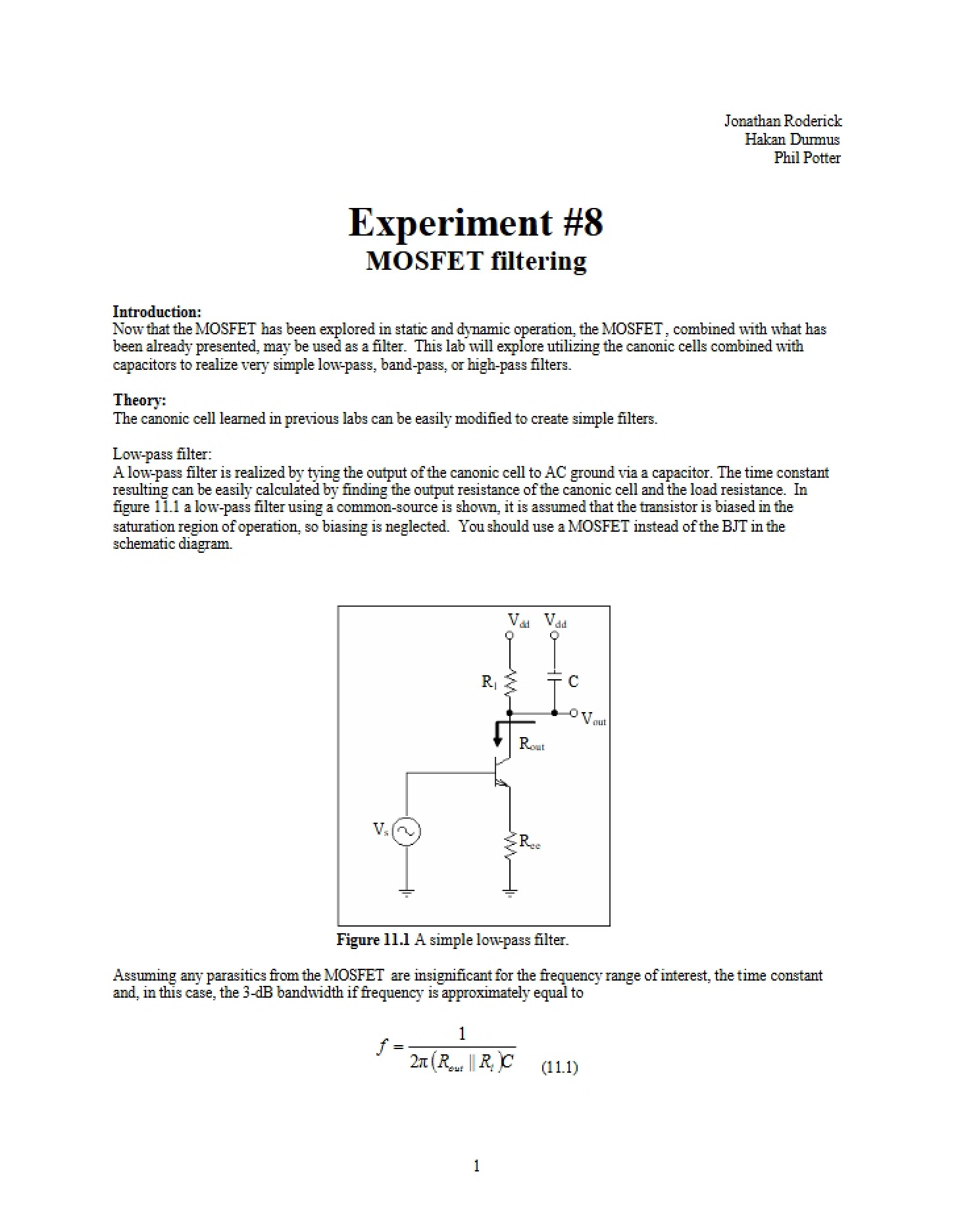
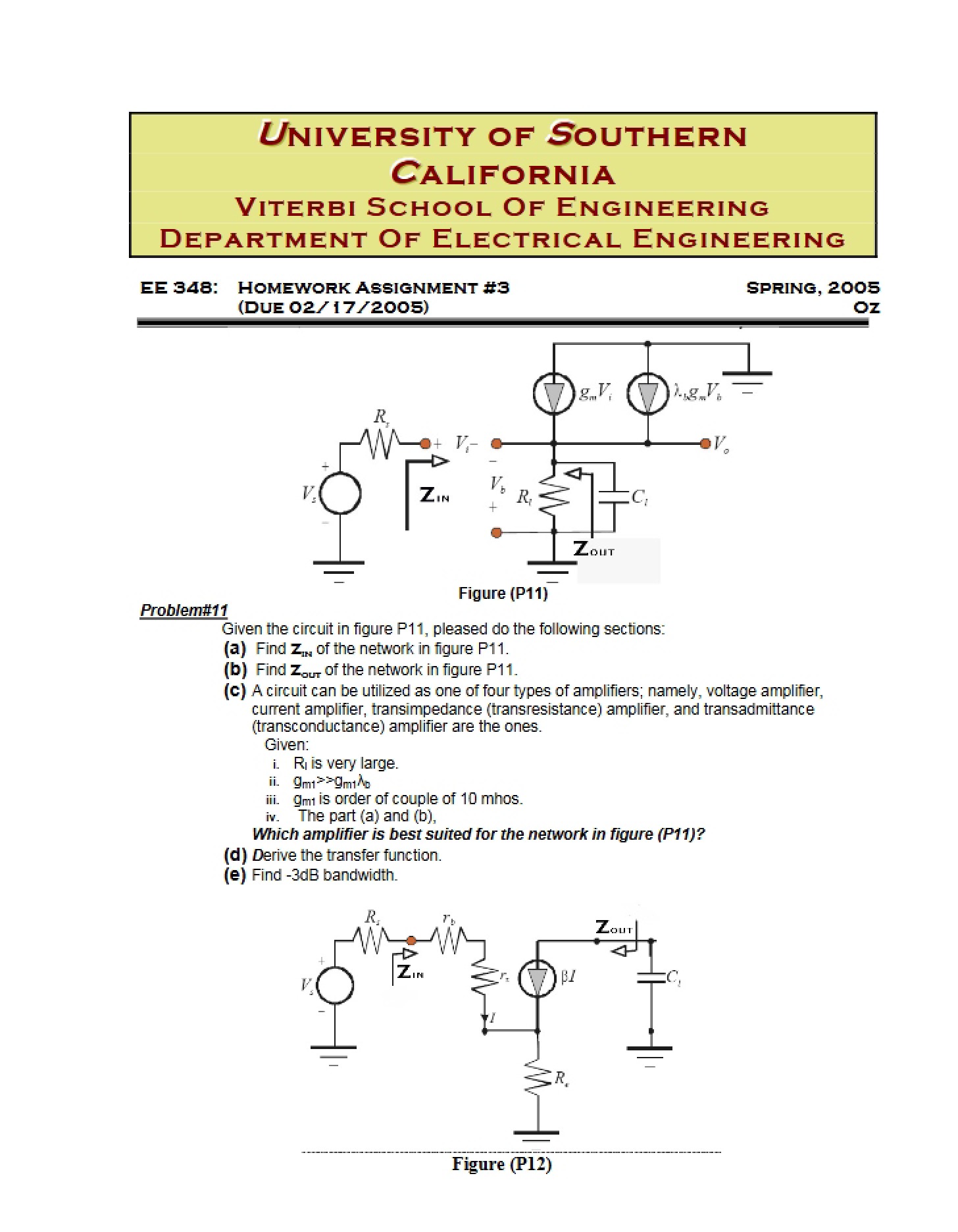
* Visual aids, including diagrams and figures, to illustrate key concepts and circuit schematics.
* Information regarding relevant device characteristics and data sheet interpretation.
* Guidelines for structuring lab reports and documenting experimental results.