What This Document Is
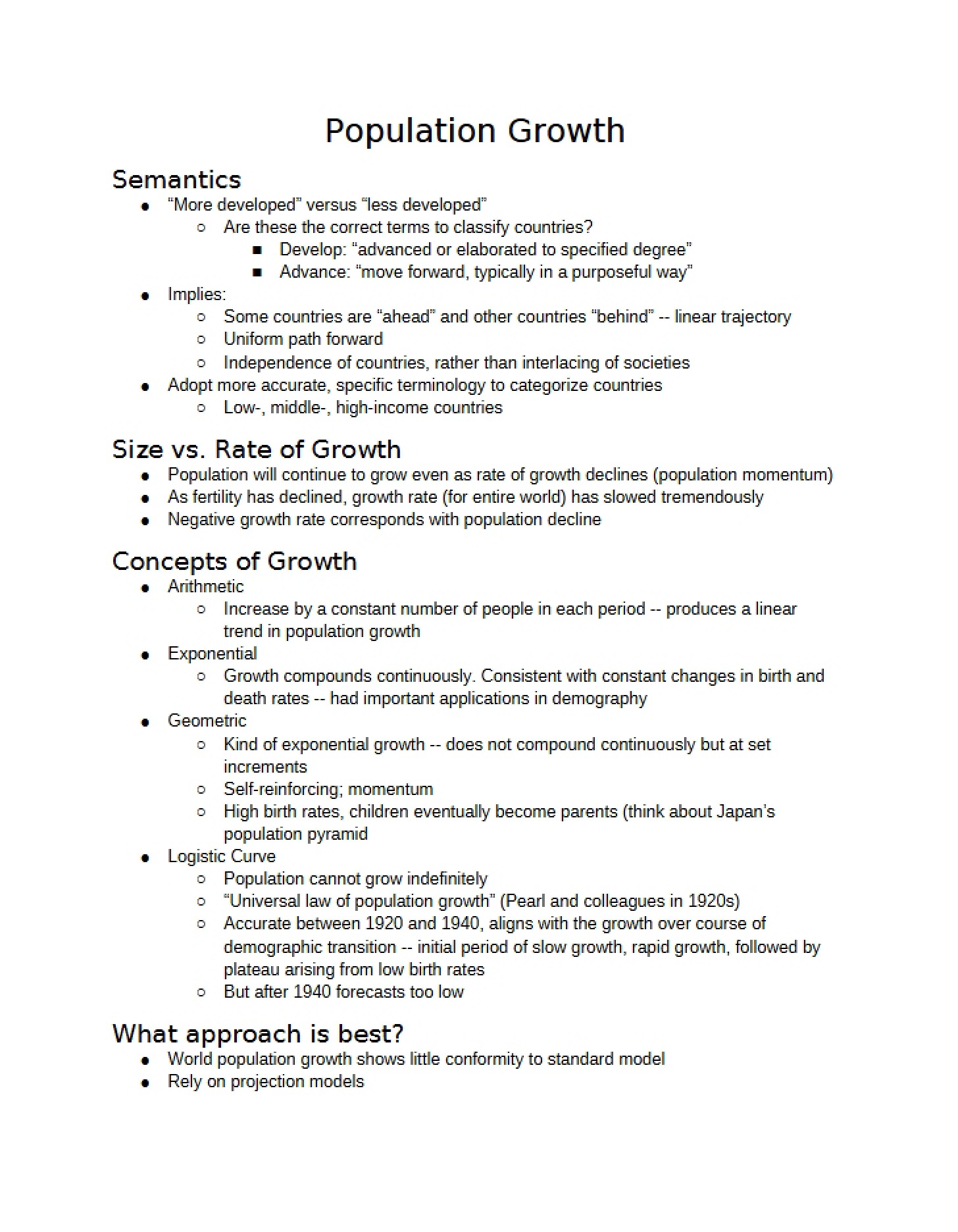
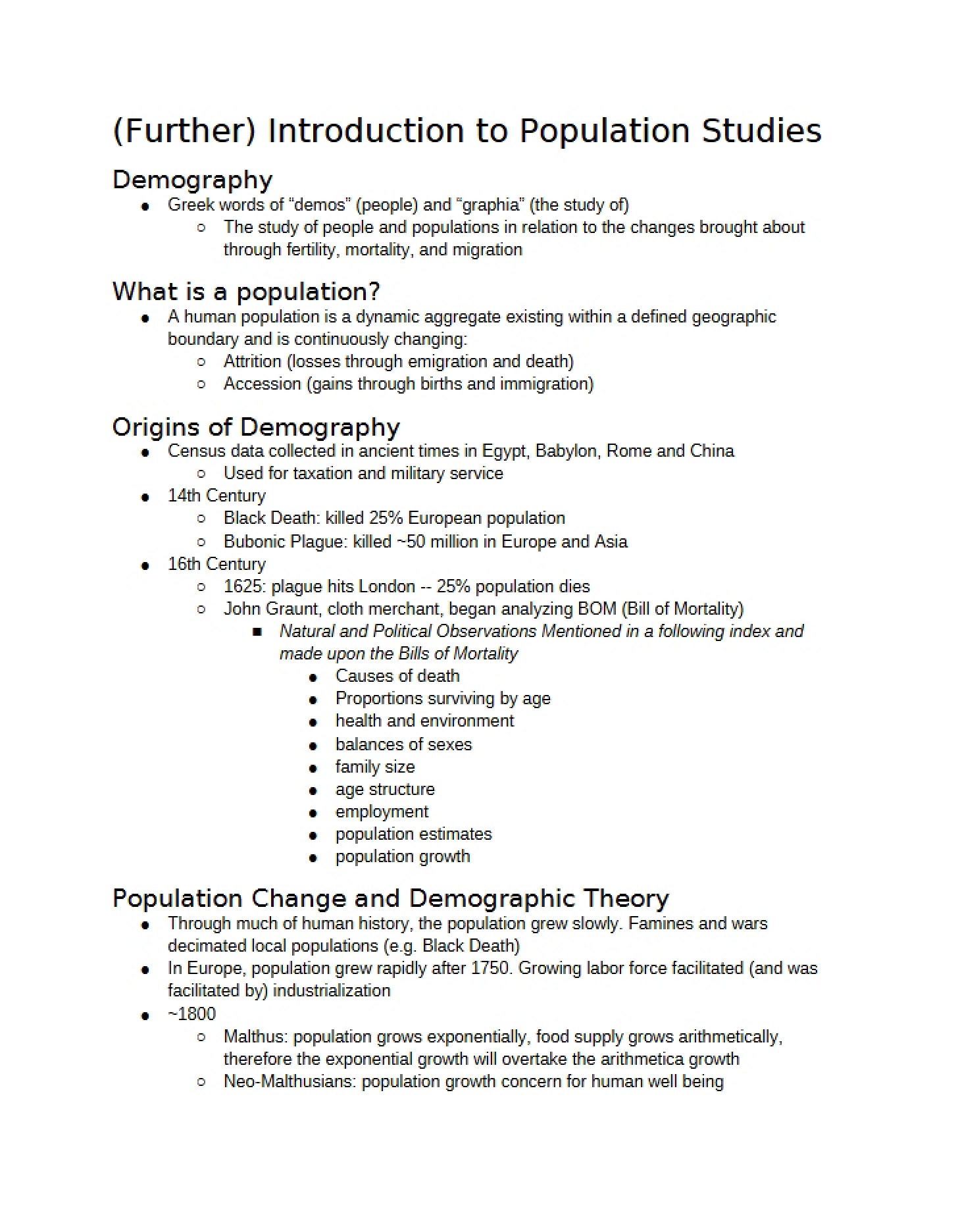
This resource is a focused exploration of the relationship between population dynamics and broader social change. Specifically, it delves into the field of demography – the study of population characteristics – and how shifts in population size, composition, and distribution connect to critical aspects of human life like economic development, health, and global inequalities. It’s designed to provide a foundational understanding of how we analyze population trends and interpret their significance.
Why This Document Matters
Students enrolled in introductory anthropology, sociology, or public health courses will find this particularly valuable. It’s ideal for those seeking to understand the underlying forces shaping our world and the complexities of global issues. This material is most helpful when you’re beginning to research topics related to development, urbanization, health disparities, or the impact of demographic shifts on societies. It’s a strong starting point for anyone wanting to move beyond surface-level observations and engage with data-driven analysis of societal trends.
Common Limitations or Challenges
This resource focuses on *understanding* the core concepts and analytical frameworks within population studies. It does not offer specific case studies, detailed statistical methodologies, or predictions about future population trends. It also doesn’t provide a comprehensive history of demographic thought, but rather uses historical context to inform current perspectives. Access to the full resource is required for in-depth analysis and practical application of these concepts.
What This Document Provides
* An overview of the core principles of demography.
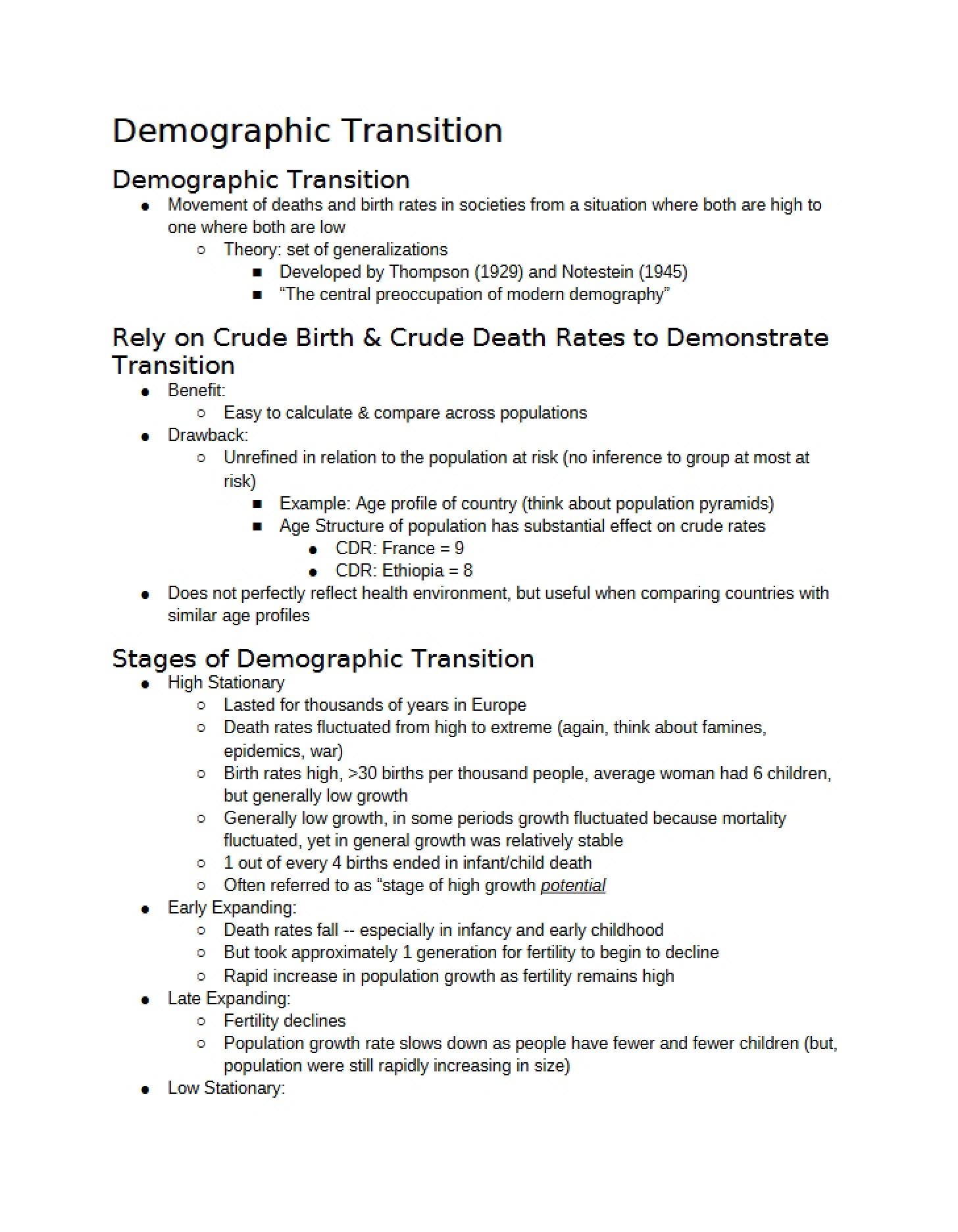
* Discussion of the interplay between fertility, mortality, and migration.
* Exploration of common biases and perspectives in interpreting population data.
* Insights into how population science can be used to analyze societal patterns.
* A framework for understanding the connection between population and quality of life.