What This Document Is
This study guide provides a comprehensive overview of the social research process, a core component of the Sociological Research Methods (SOC 3801) course at the University of Minnesota Twin Cities. It’s designed to illuminate the fundamental stages researchers navigate when investigating social phenomena, from initial question formulation to theoretical grounding and ethical considerations. The guide delves into various research strategies and their underlying philosophies.
Why This Document Matters
This resource is invaluable for students seeking a solid understanding of how sociological knowledge is created and validated. It’s particularly helpful when you’re grappling with designing your own research projects, critically evaluating existing studies, or preparing for coursework and assessments. Anyone needing a structured approach to understanding the logic and complexities of social research will find this guide beneficial. It’s best used as a companion to lectures and assigned readings, helping to synthesize key concepts and provide a framework for deeper learning.
Common Limitations or Challenges
While this guide outlines the core elements of the social research process, it does not offer step-by-step instructions for conducting specific research techniques. It won’t provide pre-defined research questions or ready-made hypotheses. Furthermore, it focuses on foundational principles and doesn’t delve into the intricacies of statistical analysis or specific qualitative data collection methods. It’s a conceptual map, not a practical manual.
What This Document Provides
* An exploration of the critical questions researchers must address when initiating a study.
* A discussion of the importance of building research upon existing scholarly work.
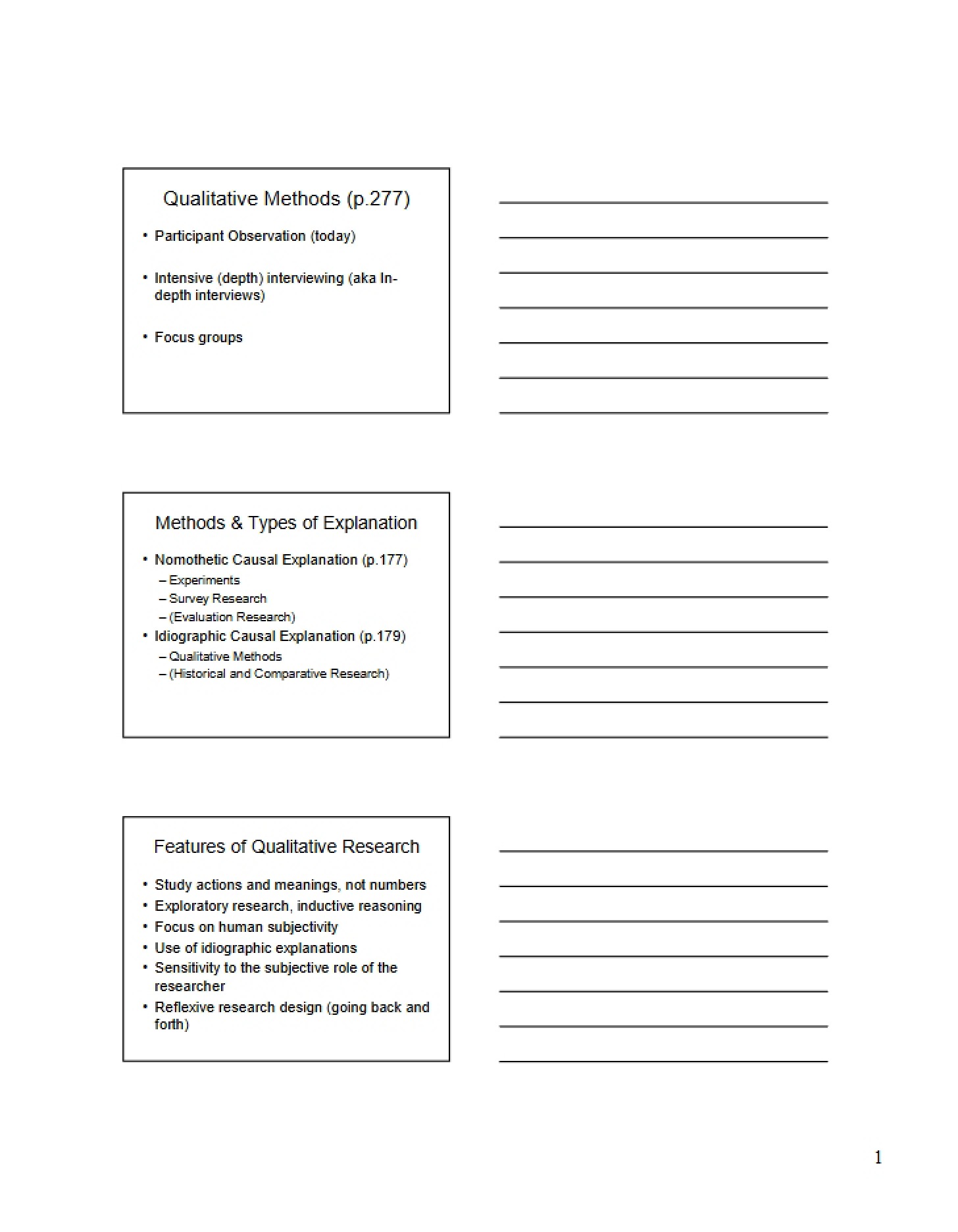
* An overview of different research strategies – including deductive, inductive, exploratory, and descriptive approaches – and their core principles.
* An examination of the role of theory in social research and how it connects to empirical observation.
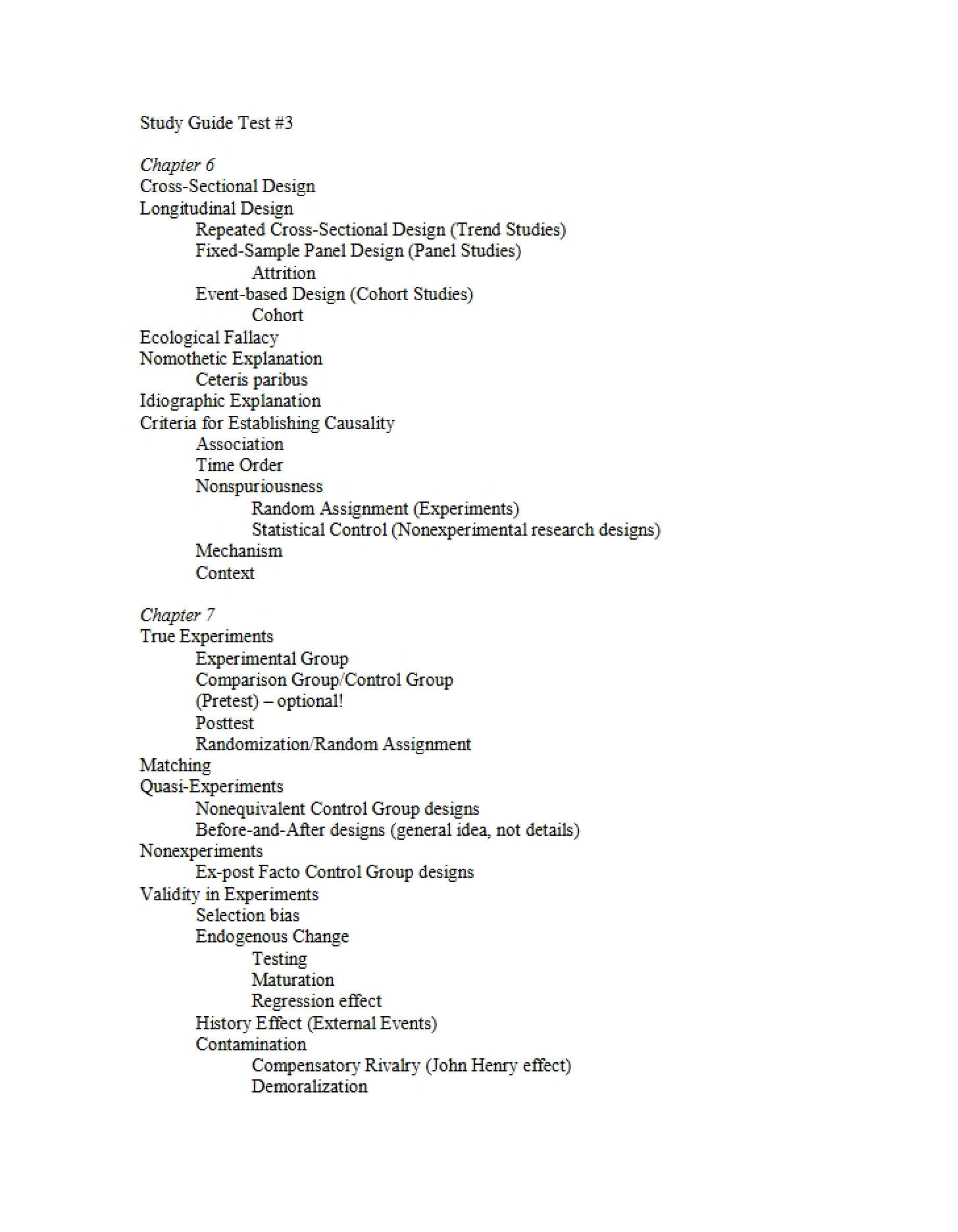
* Consideration of key variables in research design, including independent and dependent variables.
* Insight into the importance of ethical considerations throughout the research process.