What This Document Is
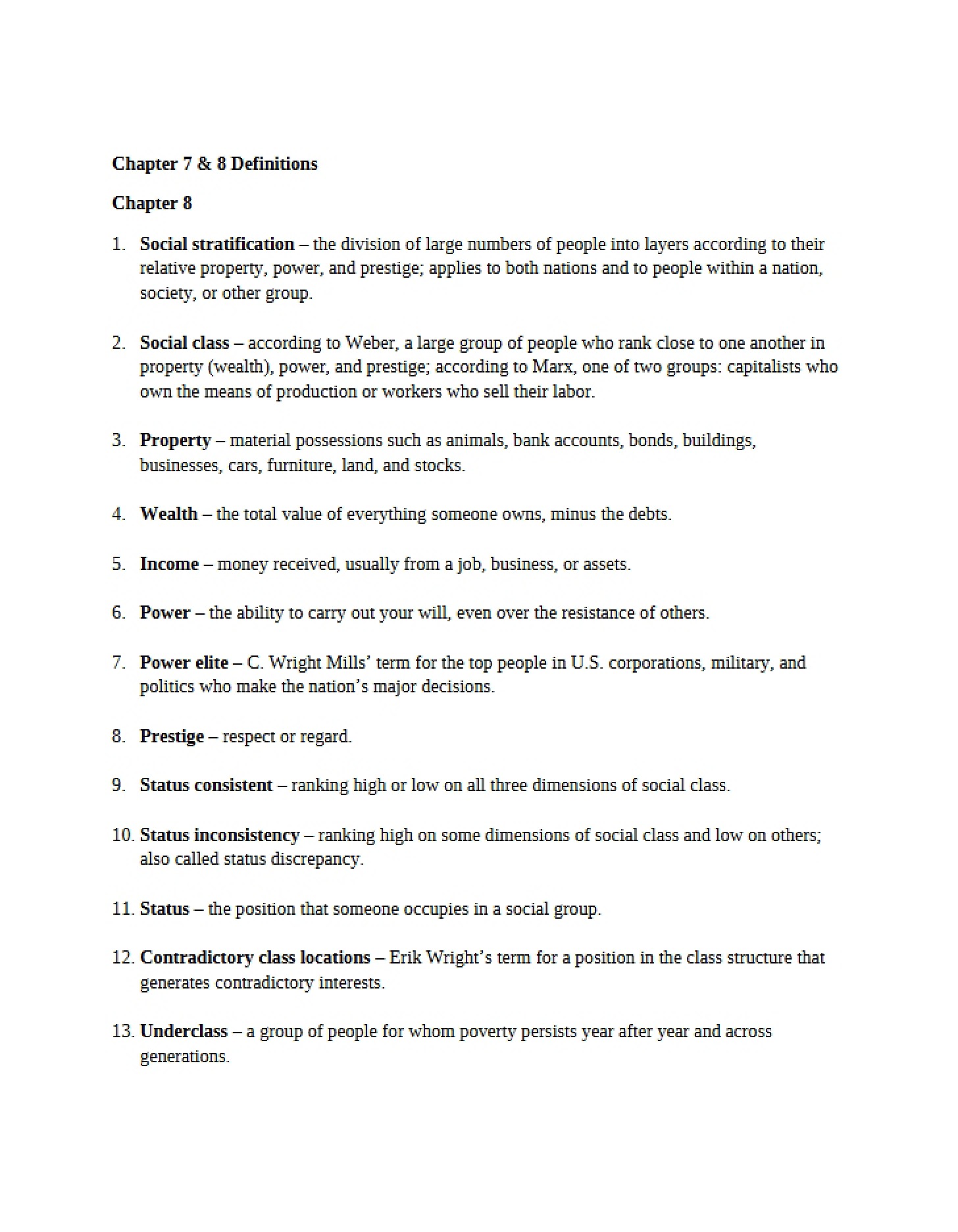
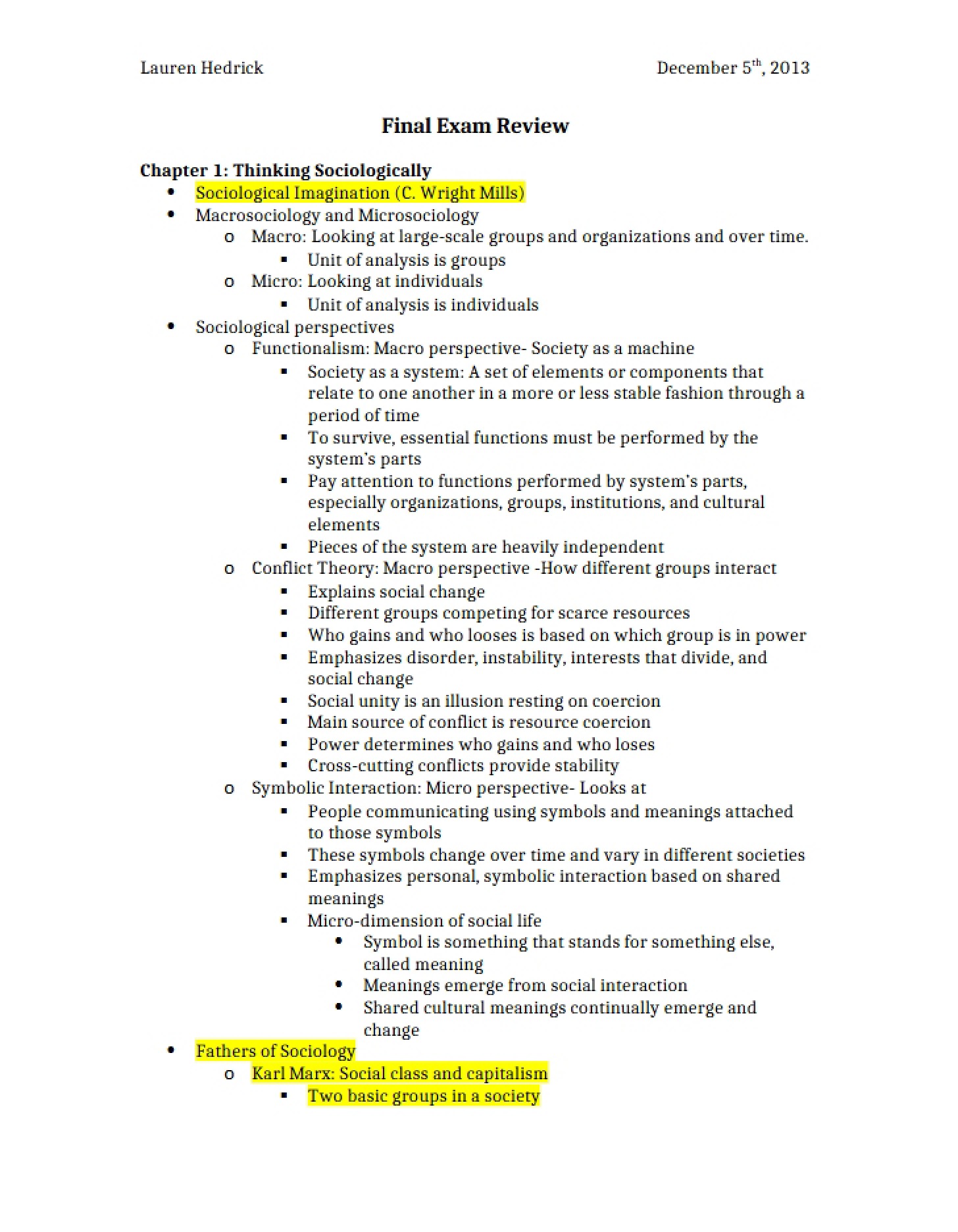
This resource offers a comprehensive exploration of the sociological perspectives on health and medicine. It delves into how societal factors profoundly influence our understanding of illness, healthcare delivery, and the role of medical professionals. It’s designed for students seeking a deeper understanding of health not just as a biological phenomenon, but as a socially constructed experience. The material examines core concepts within medical sociology, providing a foundational understanding of the field.
Why This Document Matters
This is an invaluable resource for students enrolled in introductory sociology courses, particularly those with a focus on health, deviance, or social institutions. It’s especially helpful when preparing for coursework involving social stratification, inequality, and the impact of social structures on individual well-being. Students grappling with understanding the social model of health, or the complexities of the patient-physician relationship, will find this a useful starting point for their studies. It’s best utilized *before* tackling complex research papers or in-depth case studies.
Common Limitations or Challenges
This material focuses on theoretical frameworks and foundational concepts. It does not provide specific medical information, treatment protocols, or current epidemiological data. It also doesn’t offer detailed analyses of specific healthcare policies or systems in different countries. While it touches upon critiques of established theories, it doesn’t present an exhaustive review of all scholarly debates within the field. Access to the full resource is required for a complete understanding of the nuanced arguments presented.
What This Document Provides
* An overview of key definitions related to health, disease, and medicine within a sociological context.
* Exploration of major theoretical perspectives – including functionalism, symbolic interactionism, and conflict theory – as applied to health and illness.
* Discussion of the historical evolution and societal role of the medical profession.
* Examination of the concept of the “sick role” and its associated expectations.
* Insights into how social factors like class, gender, and race/ethnicity intersect with health outcomes and healthcare access.