What This Document Is
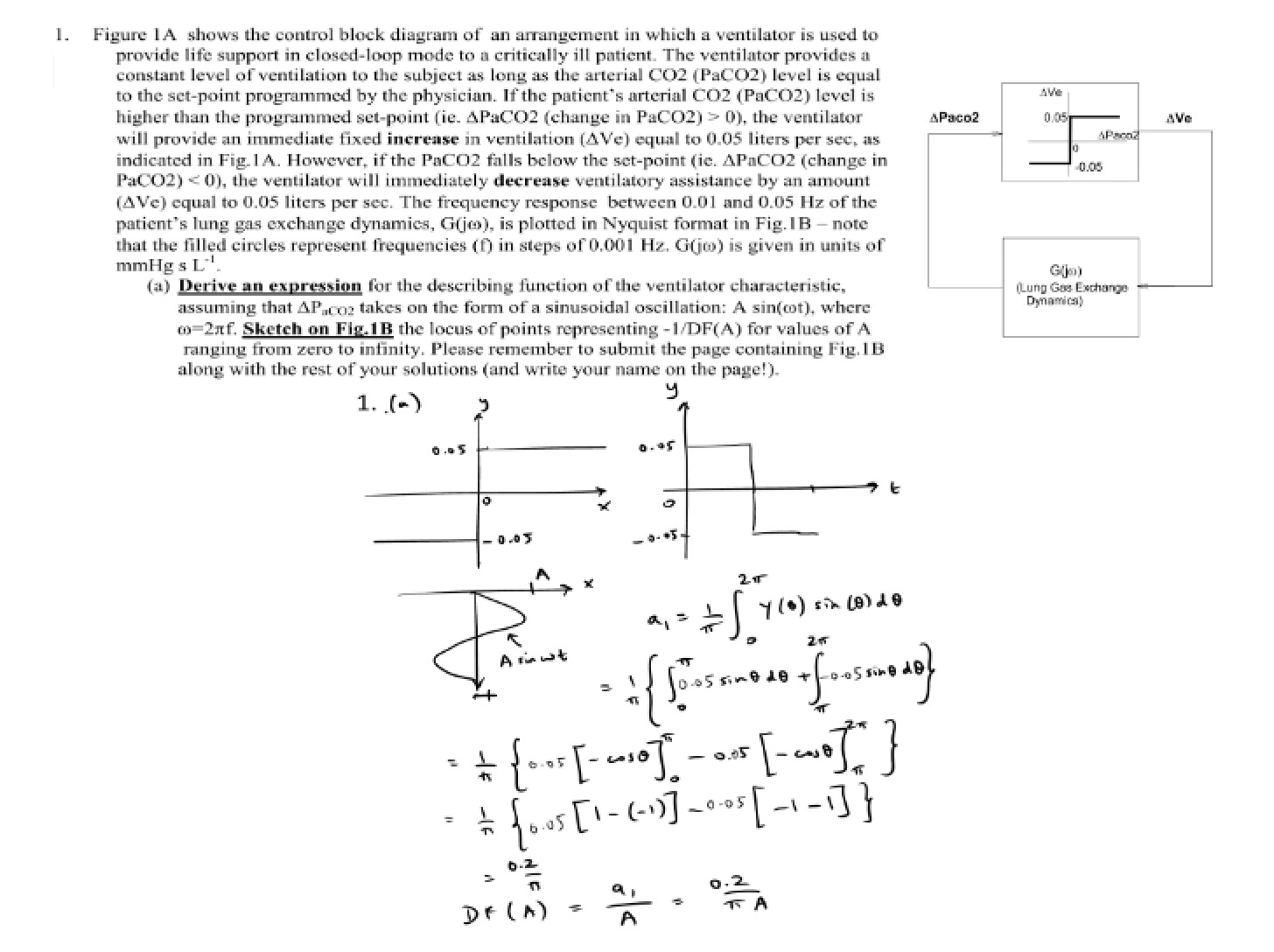
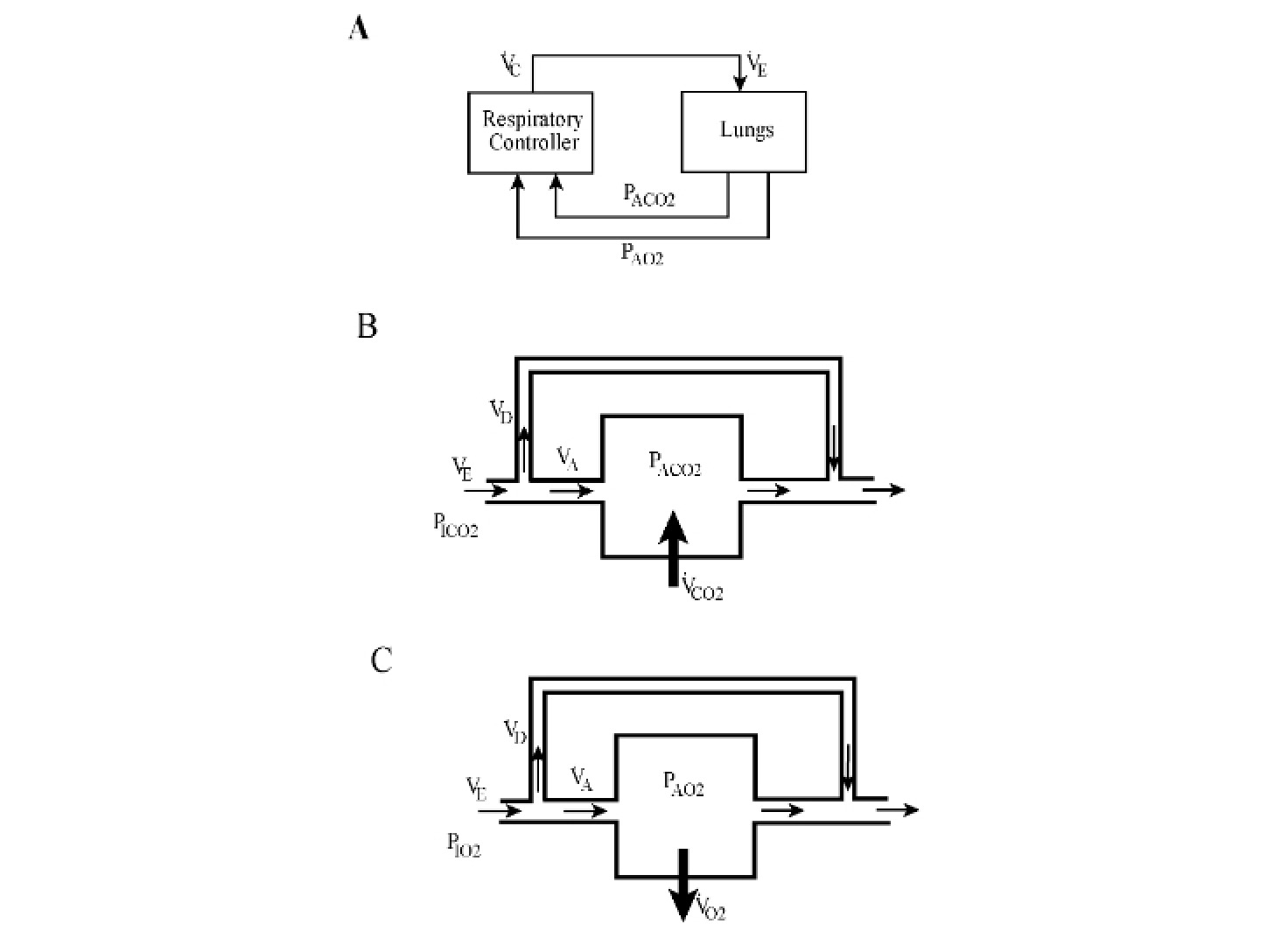
This document contains detailed, worked solutions to a homework assignment for BME 511: Physiological Control Systems, offered at the University of Southern California. It focuses on applying core principles of physiological modeling and control systems analysis to specific problems. The material appears to cover topics related to compartmental modeling, system dynamics, and potentially respiratory or cardiovascular physiology, judging by variable names and problem contexts. It’s a resource designed to reinforce understanding of concepts presented in lectures and readings.
Why This Document Matters
This study guide is invaluable for students enrolled in advanced physiological control systems courses. It’s particularly helpful when you’re looking to solidify your grasp of problem-solving techniques and verify your own work on similar assignments. Use this resource *after* attempting the homework problems yourself – it’s most effective as a check against your own approach and to identify areas where your understanding might need strengthening. It’s also beneficial during exam preparation to review common problem types and solution strategies.
Common Limitations or Challenges
This resource provides solutions to a *specific* homework set from Fall 2013. It does not offer a comprehensive review of all course material, nor does it substitute for attending lectures, completing readings, or actively participating in class. The solutions are presented as-is and do not include detailed explanations of the underlying reasoning behind each step – it assumes a base level of understanding of the course concepts. It won’t teach you the fundamental principles; it demonstrates their application.
What This Document Provides
* Detailed solutions to multiple homework problems.
* Application of mathematical techniques to physiological systems.
* Illustrative examples of system analysis and modeling.
* Worked examples involving compartmental models and dynamic systems.
* Potential insights into common problem-solving approaches used in the course.
* Analysis of system behavior based on parameter variations.