What This Document Is
This is part two of a lecture focusing on Physiological Control Systems (BME 511) at the University of Southern California. Specifically, Lecture 15b delves into the analysis of dynamic systems used in physiological regulation, with a strong emphasis on control theory principles applied to biological scenarios. The material builds upon foundational concepts in system modeling and frequency response analysis. It explores how these principles can be used to understand and potentially regulate complex physiological processes.
Why This Document Matters
This lecture segment is crucial for Biomedical Engineering students, and those in related fields like Bioengineering and Physiological Sciences, who need a strong grasp of how to mathematically model and analyze biological control systems. It’s particularly valuable when studying areas like respiratory control, cardiovascular regulation, and homeostasis. Students preparing for advanced coursework or research involving physiological modeling will find this material essential. It’s best used in conjunction with the preceding lecture (15a) and alongside assigned readings to solidify understanding.
Common Limitations or Challenges
This lecture focuses on the *application* of control systems theory to physiological problems, rather than a comprehensive review of the underlying mathematical theory itself. It assumes a foundational understanding of concepts like transfer functions, Nyquist plots, and stability analysis. The material does not provide step-by-step derivations for all concepts, and requires active problem-solving to fully grasp the presented ideas. It also doesn’t offer complete, solved examples – those are intended for individual practice.
What This Document Provides
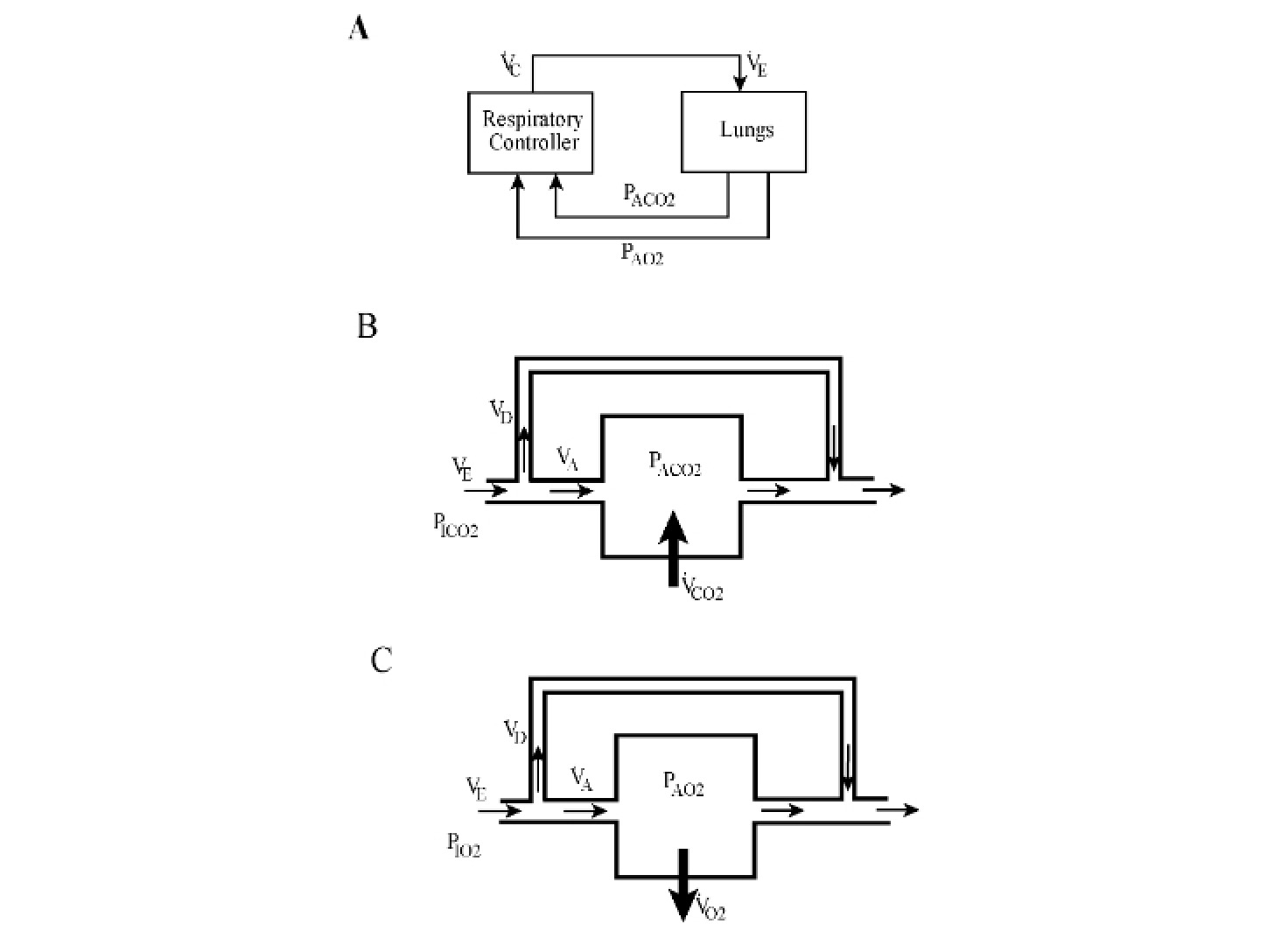
* Exploration of a closed-loop ventilator control system as a case study.
* Analysis of system behavior using describing functions and frequency response techniques.
* Investigation into the potential for limit cycles (self-sustained oscillations) in physiological control.
* Examination of linear versus nonlinear control approaches.
* Analysis of differential equation-based dynamic systems, including nullcline and stability analysis.
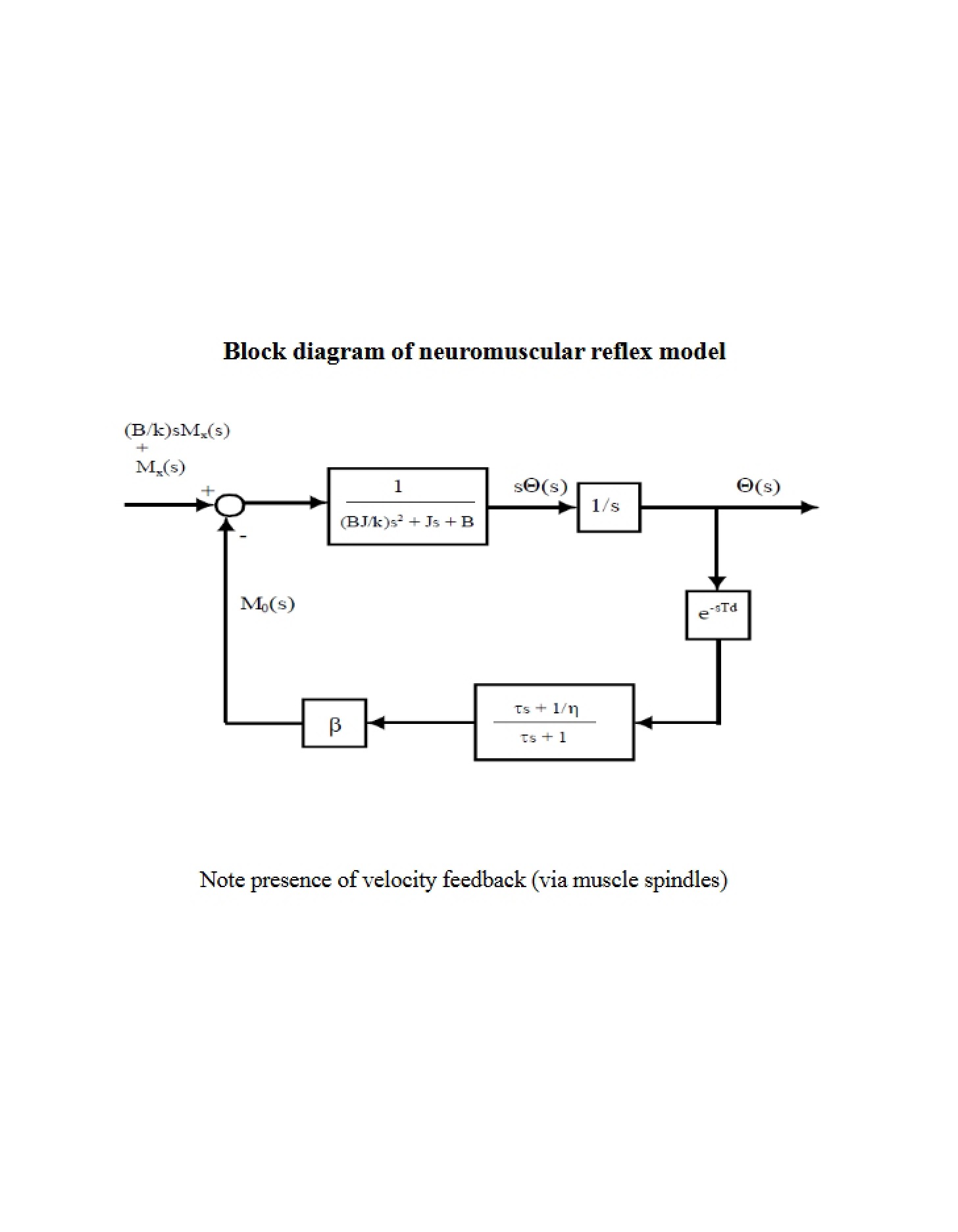
* Discussion of mechanical modeling of physiological systems (astronaut gravitational force training example).