What This Document Is
This study guide delves into the critical concepts of statistical power and decision errors within the framework of Null Hypothesis Significance Testing (NHST). It’s designed to provide a comprehensive understanding of the potential pitfalls and strengths inherent in drawing conclusions from research data. The material explores how researchers navigate uncertainty and make informed judgments when evaluating hypotheses. This guide is part of the PSCH 543 Research Design and Analysis course at the University of Illinois at Chicago.
Why This Document Matters
This resource is invaluable for students and researchers seeking to strengthen their understanding of statistical inference. Anyone involved in designing, conducting, or interpreting research – particularly those utilizing significance testing – will benefit from a thorough grasp of these principles. It’s especially useful when planning a study, evaluating published research, or preparing for coursework focused on research methodology. Understanding these concepts is foundational for responsible and accurate data analysis.
Topics Covered
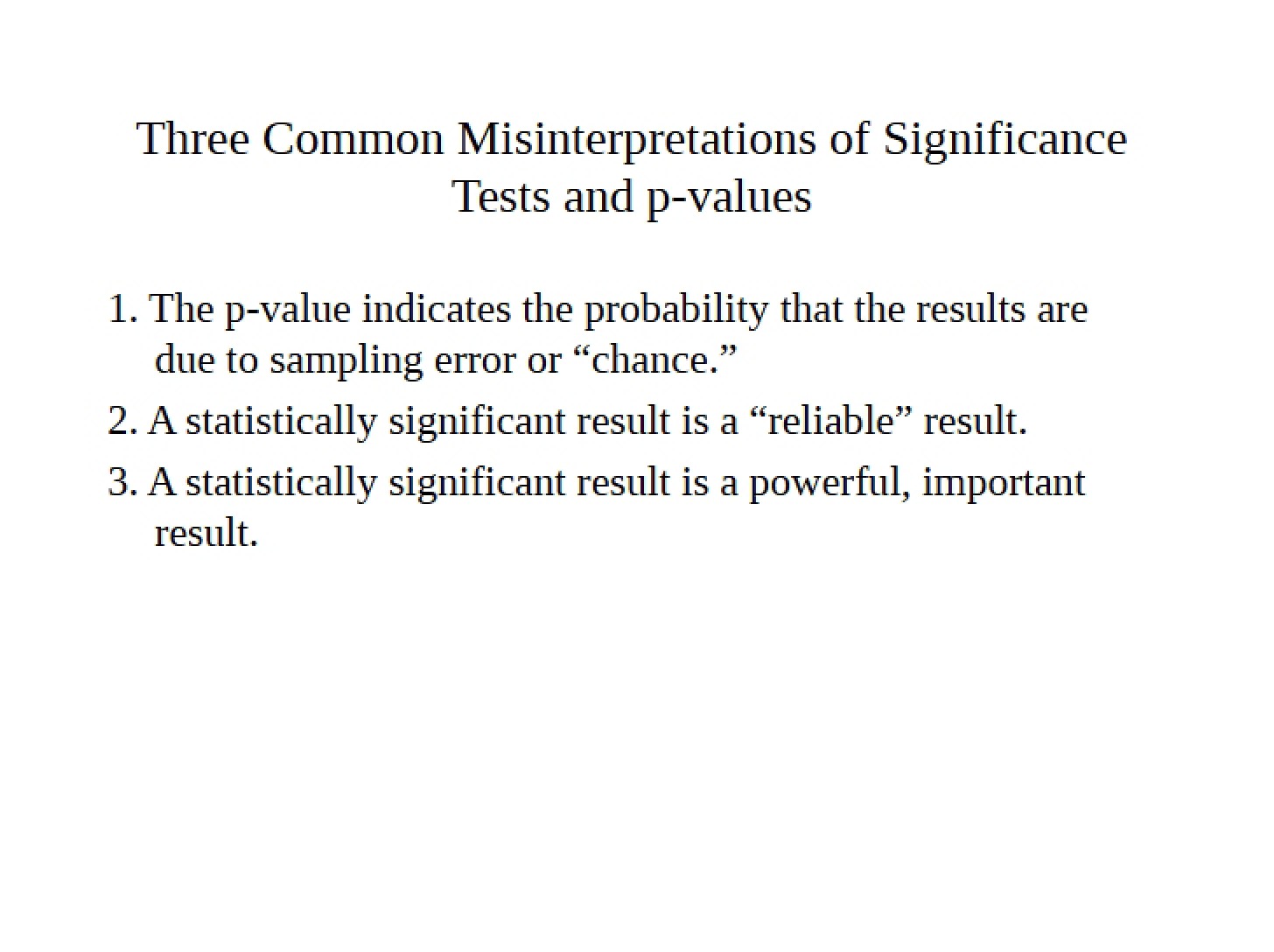
* Type I and Type II Errors in Hypothesis Testing
* Controlling Error Rates (Alpha and Beta)
* The Concept of Statistical Power and its Importance
* Factors Influencing Statistical Power, including Sample Size
* The Relationship Between Effect Size and Statistical Power
* Interpreting Power Analyses in Research Contexts
* Implications of Low Power Studies
What This Document Provides
* A clear explanation of inferential errors and their real-world consequences.
* A detailed exploration of how researchers manage the risk of making incorrect conclusions.
* Visual representations illustrating the impact of sample size on statistical power.
* Insights into how the strength of a relationship between variables affects the ability to detect a significant effect.
* A discussion of the practical implications of statistical power for research design and interpretation.