What This Document Is
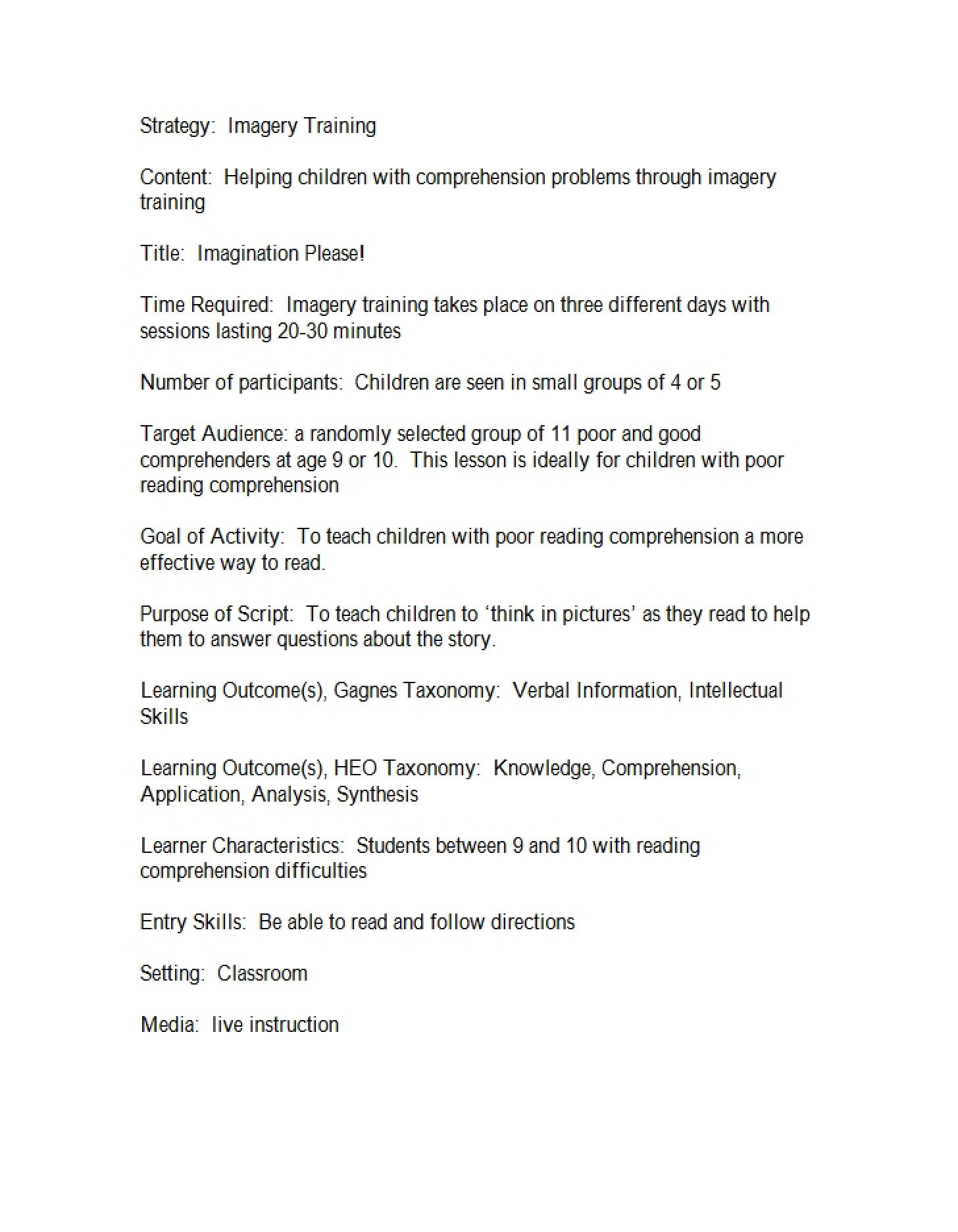
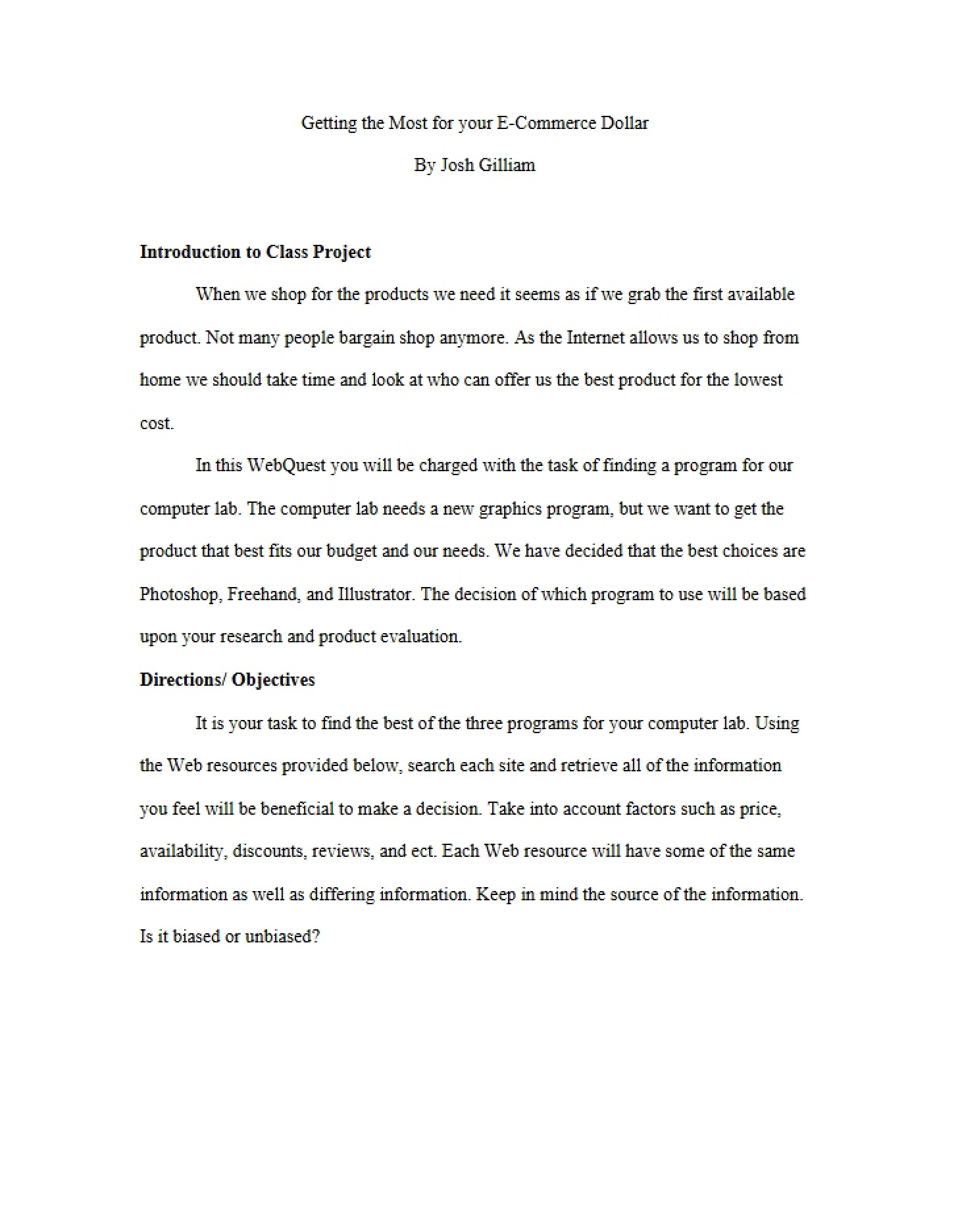
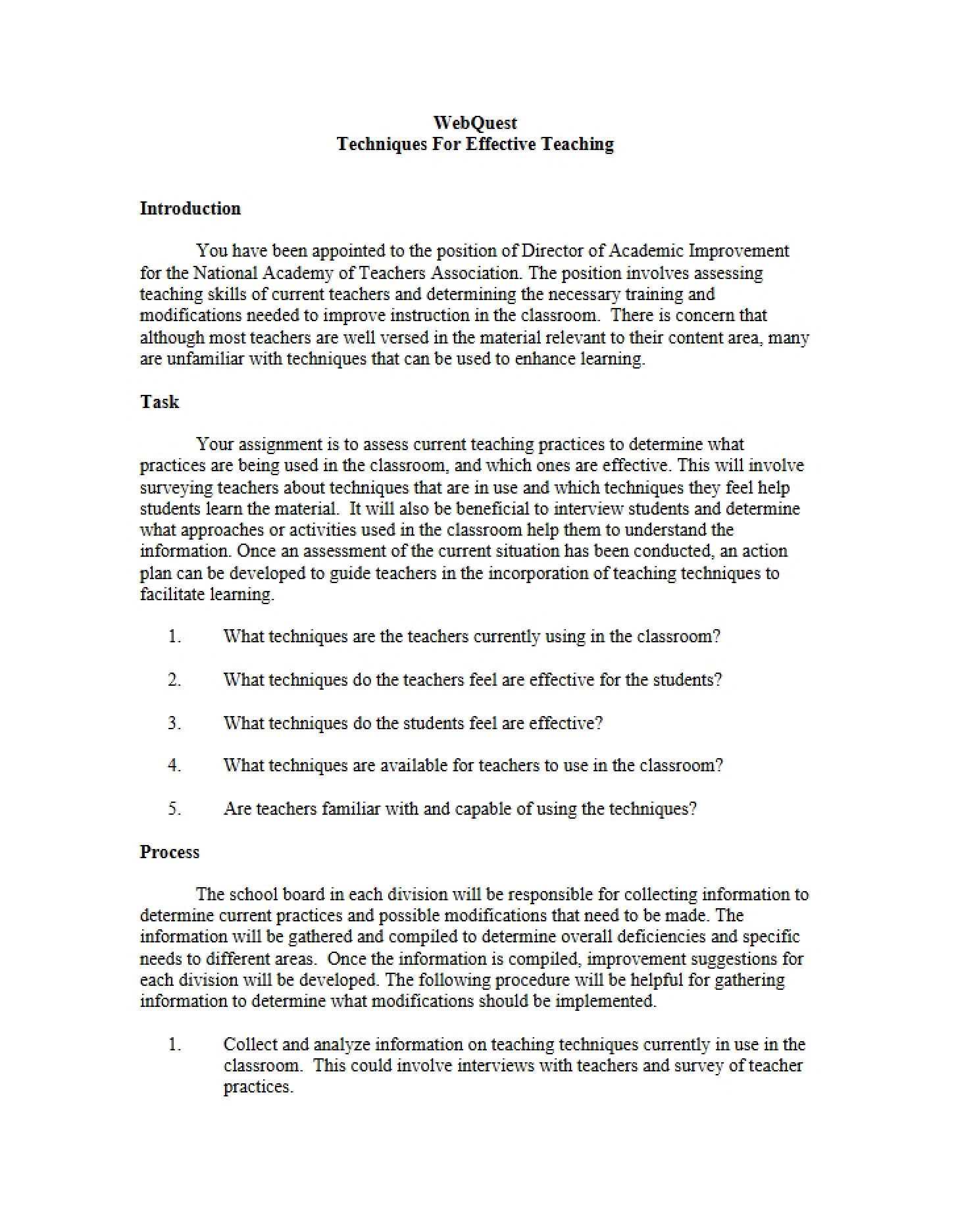
This resource is a detailed exercise focused on applying a specific instructional strategy – a visual prewriting technique – within an educational setting. It’s designed for educators and instructional designers seeking practical methods to enhance student idea generation and writing skills. The exercise centers around a scenario designed to be implemented with learners across middle school, high school, and introductory college levels. It delves into the theoretical underpinnings of the strategy, linking it to established learning taxonomies.
Why This Document Matters
This exercise will be particularly valuable for those enrolled in instructional design courses, teacher preparation programs, or professional development workshops. It’s ideal for anyone looking to expand their toolkit of prewriting strategies and understand how to facilitate creative thinking in students. If you’re seeking a hands-on approach to understanding how to translate cognitive principles into actionable classroom activities, this resource offers a focused exploration of one such method. It’s especially useful when planning lessons aimed at improving students’ ability to brainstorm, organize thoughts, and overcome writer’s block.
Common Limitations or Challenges
This exercise focuses on a single, specific strategy and does not offer a comprehensive overview of all prewriting techniques. It assumes a level of access to specific technology and may require adaptation depending on available resources. While the resource outlines the intended learning outcomes and assessment methods, it does not provide pre-made assessment rubrics or differentiated instruction plans. It also doesn’t cover troubleshooting common technical issues students might encounter with the software.
What This Document Provides
* A complete scenario outlining the context for implementing the strategy.
* Clearly defined target audience and learning objectives aligned with established educational taxonomies.
* A detailed process description for facilitating the exercise.
* Guidance on assessing student understanding and application of the strategy.
* Identification of necessary learner entry skills and environmental setup requirements.
* A list of relevant references for further exploration of instructional design principles.