What This Document Is
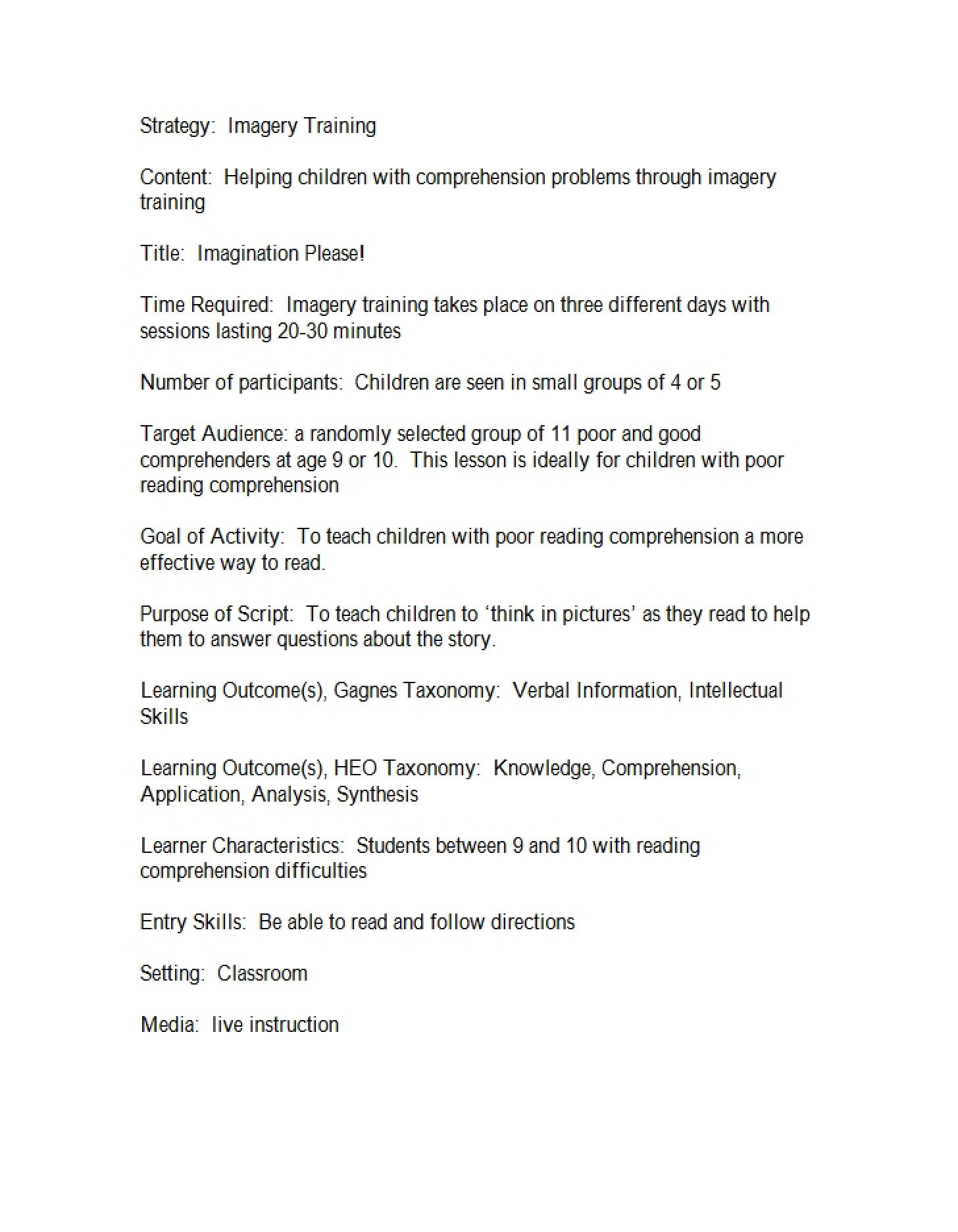
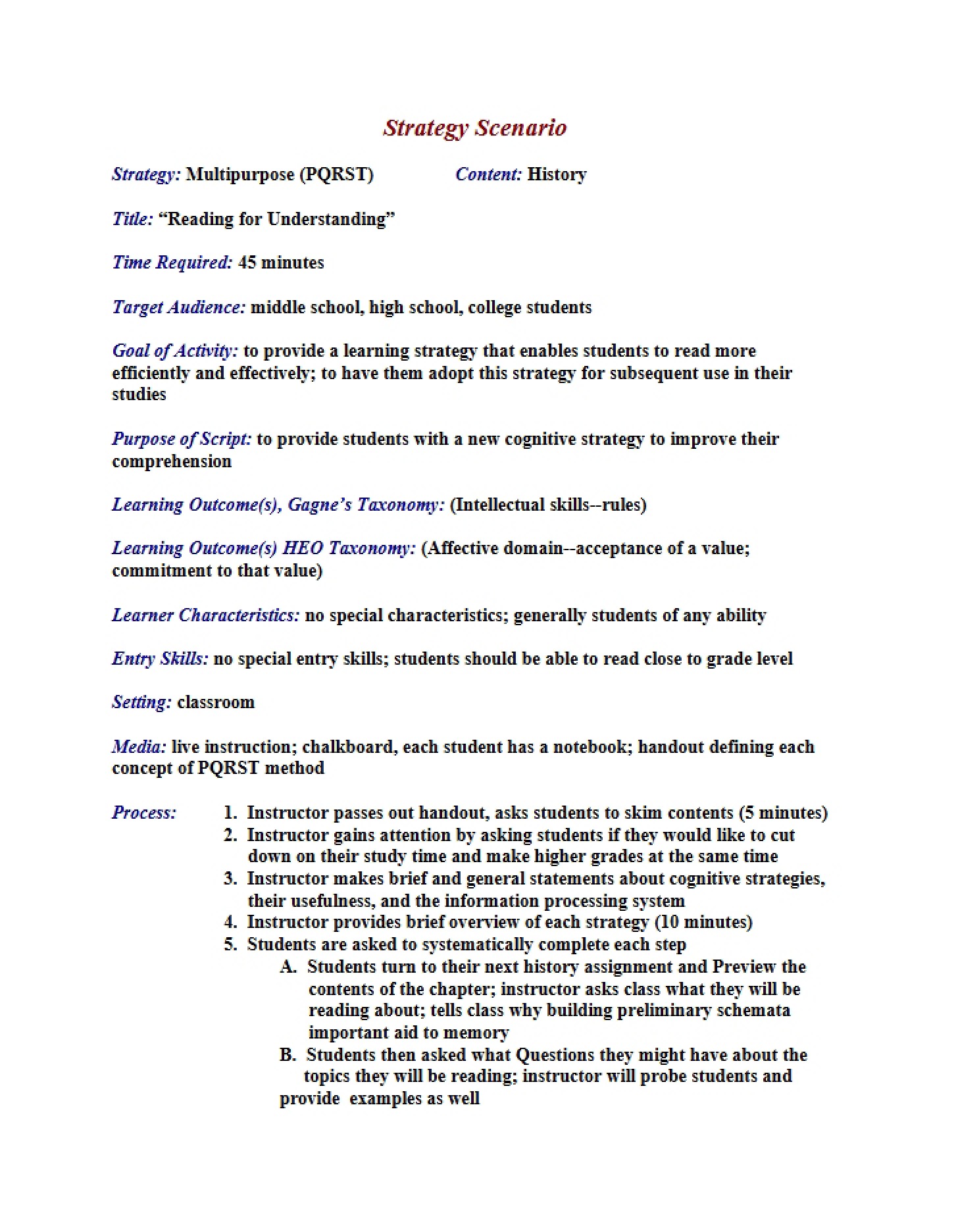
This resource is a detailed scenario outlining a specific instructional strategy designed for use in technical training environments. It focuses on a practical application of instructional design principles, centering around a technical topic – the Four-Stroke Otto Cycle Engine – commonly found in aircraft maintenance curricula. The scenario details how to actively engage learners *after* a core presentation, aiming to solidify understanding through a specific type of learning activity. It’s a case study in applying theory to a real-world educational challenge.
Why This Document Matters
This is an invaluable resource for instructional designers, educators, and graduate students in fields like instructional technology, education, and training & development. Specifically, those enrolled in courses focused on instructional strategies will find this particularly relevant. It’s useful when you’re looking for concrete examples of how to implement cognitive-based learning techniques, and how to assess the effectiveness of those techniques in a practical setting. It’s also helpful for anyone preparing to deliver technical training and seeking methods to improve learner engagement and knowledge retention.
Common Limitations or Challenges
This resource presents *one* specific instructional scenario. It does not offer a comprehensive overview of all instructional strategies, nor does it provide a ‘cookbook’ approach applicable to every learning situation. It focuses on a particular learner profile (aircraft mechanics) and may require adaptation for different audiences. The document details the *implementation* of a strategy, but doesn’t delve deeply into the underlying cognitive science theory beyond what’s needed to understand the scenario. It will not provide ready-made lesson plans or assessment tools beyond the described example.
What This Document Provides
* A detailed scenario for applying a specific instructional technique.
* Identification of the target audience and their existing knowledge base.
* Alignment with established learning taxonomies (Gagne’s and Bloom’s).
* Information on the necessary resources and setting for implementation.
* Discussion of how to evaluate the effectiveness of the chosen strategy.
* A reference list for further exploration of the underlying principles.