What This Document Is
This study guide delves into the persuasive strategies employed by Ronald Reagan, a highly influential figure in American political history. It’s designed for students of communication, political science, and rhetoric seeking to understand how impactful messaging is constructed and delivered. The material focuses on dissecting the *techniques* used, rather than specific policy positions or historical outcomes. It’s a focused exploration of *how* Reagan communicated, not *what* he communicated about.
Why This Document Matters
Students enrolled in courses like Strategies of Persuasion (CMN 321) at the University of Illinois at Urbana-Champaign will find this resource particularly valuable. It’s ideal for those preparing for in-depth analysis of persuasive speeches, political campaigns, or the broader impact of rhetoric on public opinion. This guide can be used during coursework, as a study aid for exams, or as a foundation for research projects. Understanding these strategies provides a framework for analyzing persuasive communication in any context – from politics to advertising to everyday interactions.
Topics Covered
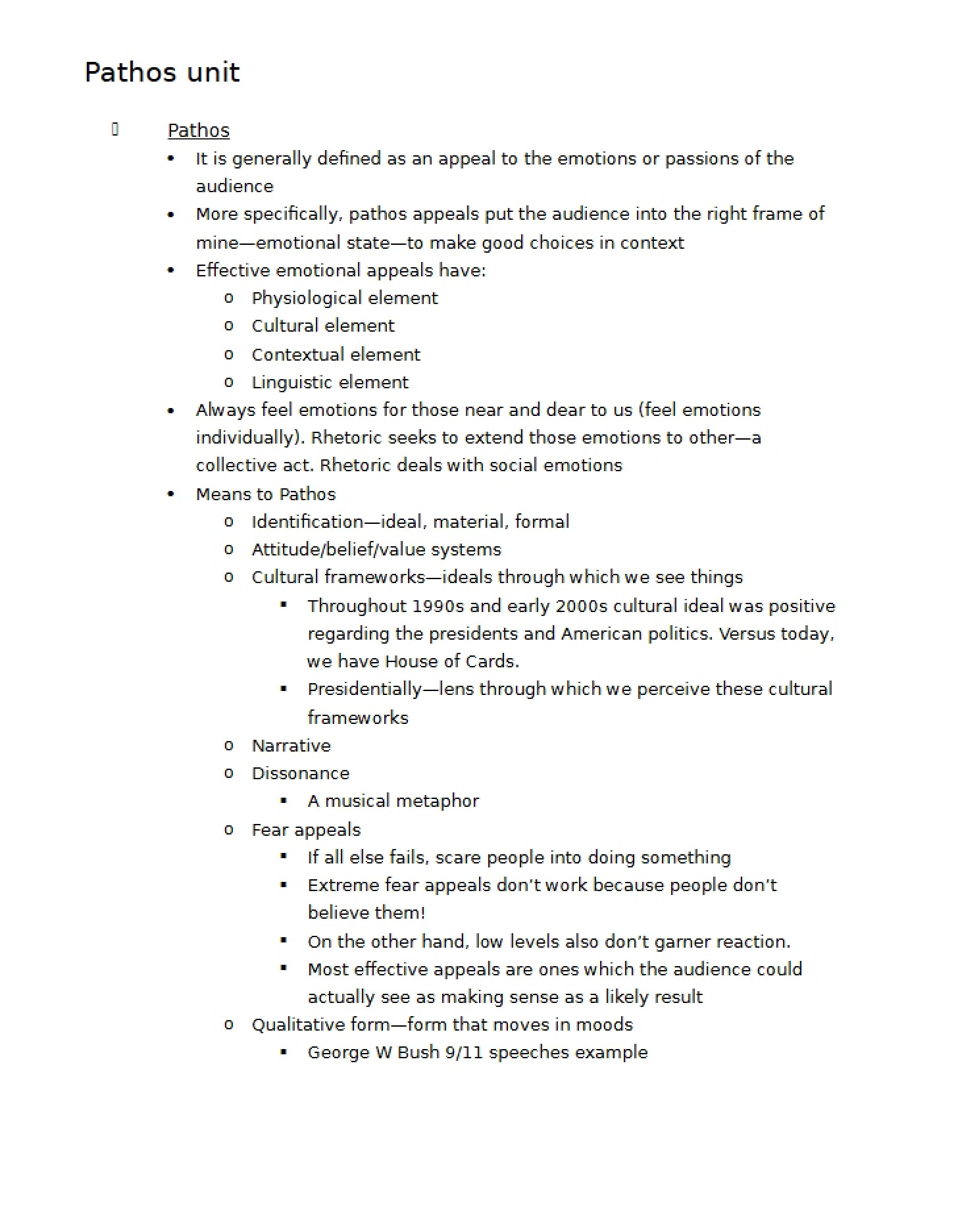
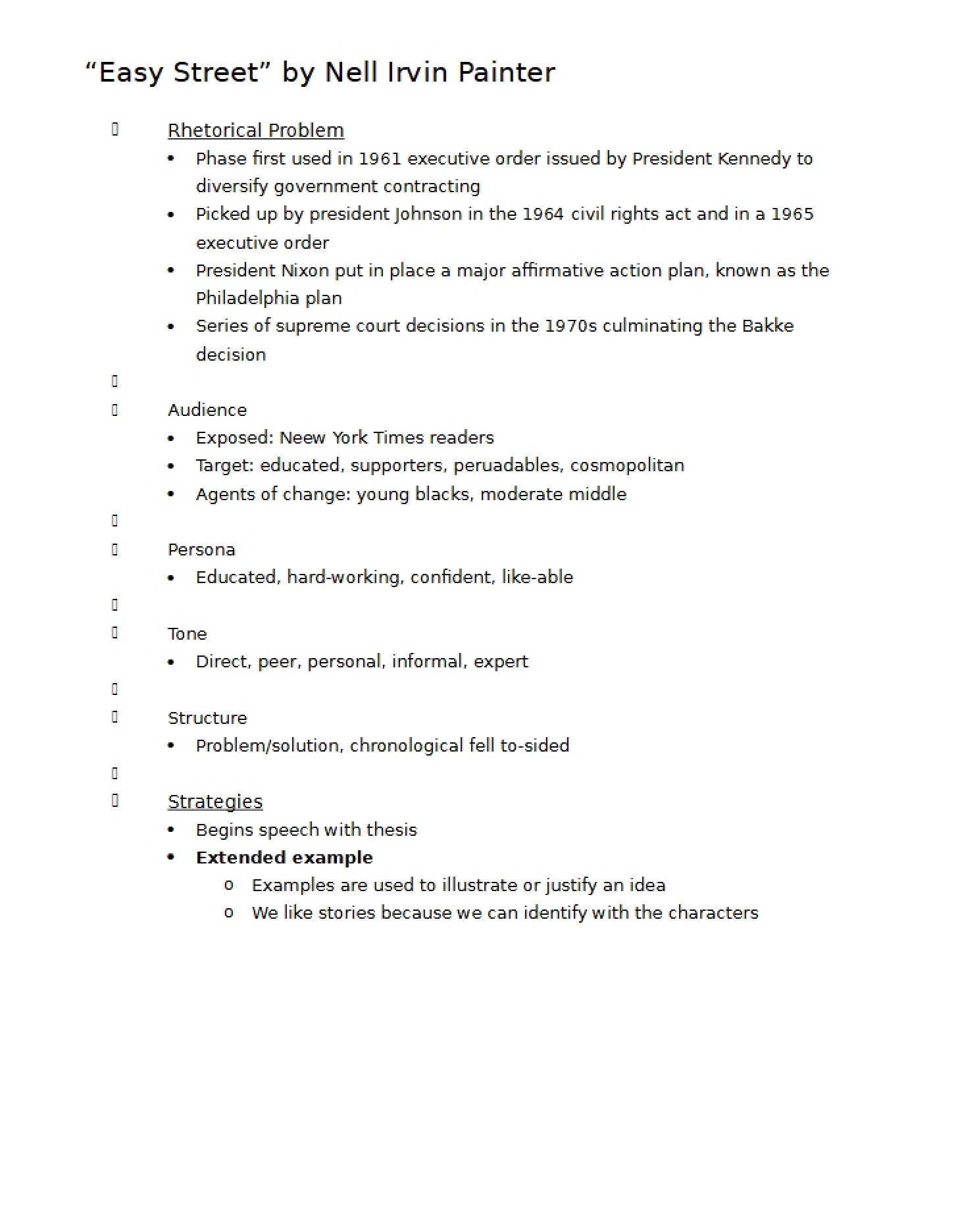
* Narrative Construction in Persuasion
* The Role of Imagery and Sensory Detail
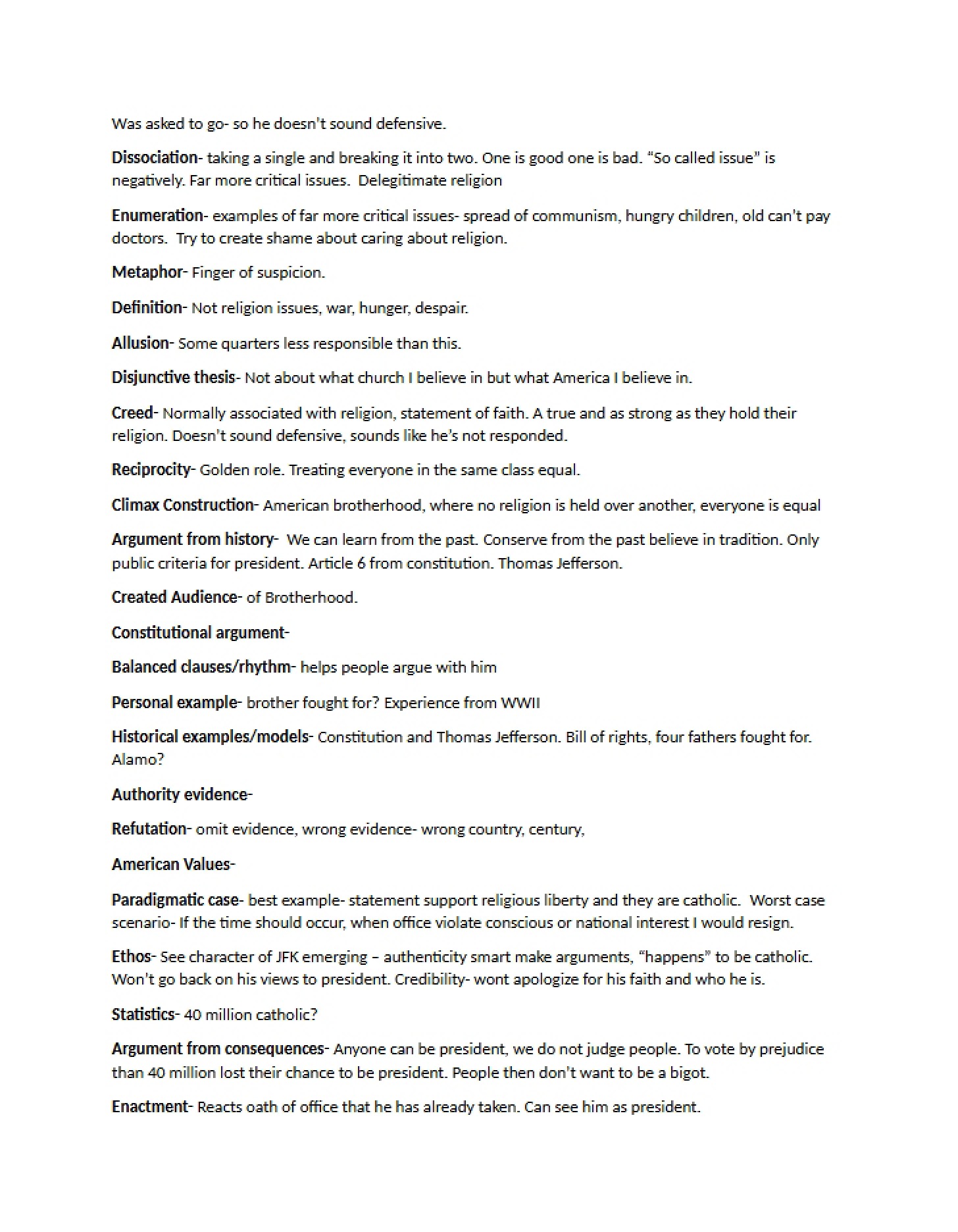
* Figurative Language and Rhetorical Devices (including specific techniques like synecdoche)
* Direct Audience Engagement Strategies
* The Use of Values and Shared Beliefs in Persuasion
* Framing and the Construction of Meaning
* Techniques for Elevating and Inspiring Audiences
* The interplay between force and moral justification in rhetoric
What This Document Provides
* A focused examination of key persuasive techniques.
* An exploration of how these techniques function to influence audiences.
* A framework for identifying and analyzing persuasive strategies in communication.
* Conceptual understanding of rhetorical principles as demonstrated through a specific case study.
* A foundation for further research into the art of persuasion.