What This Document Is
This study guide offers a detailed analysis of a specific persuasive communication event – Nell Irvin Painter’s “Easy Street.” It breaks down the strategies employed within the text, focusing on *how* meaning is constructed and *how* an audience is targeted. This isn’t a summary of the speech itself, but rather a dissection of its rhetorical components, designed to enhance understanding of persuasive techniques. It’s geared towards students of communication, rhetoric, and related fields seeking a deeper understanding of real-world persuasive strategies.
Why This Document Matters
Students enrolled in courses on persuasion, rhetorical analysis, or communication theory will find this guide particularly valuable. It’s ideal for use when preparing for class discussions, working on analytical assignments, or studying for exams. Anyone looking to improve their own persuasive abilities – whether in academic, professional, or personal contexts – can benefit from understanding the techniques illuminated within. This resource will help you move beyond simply identifying persuasive appeals to understanding their nuanced application.
Topics Covered
* Rhetorical Situation: Examining the context and challenges surrounding the communication event.
* Audience Analysis: Identifying the intended and actual recipients of the message.
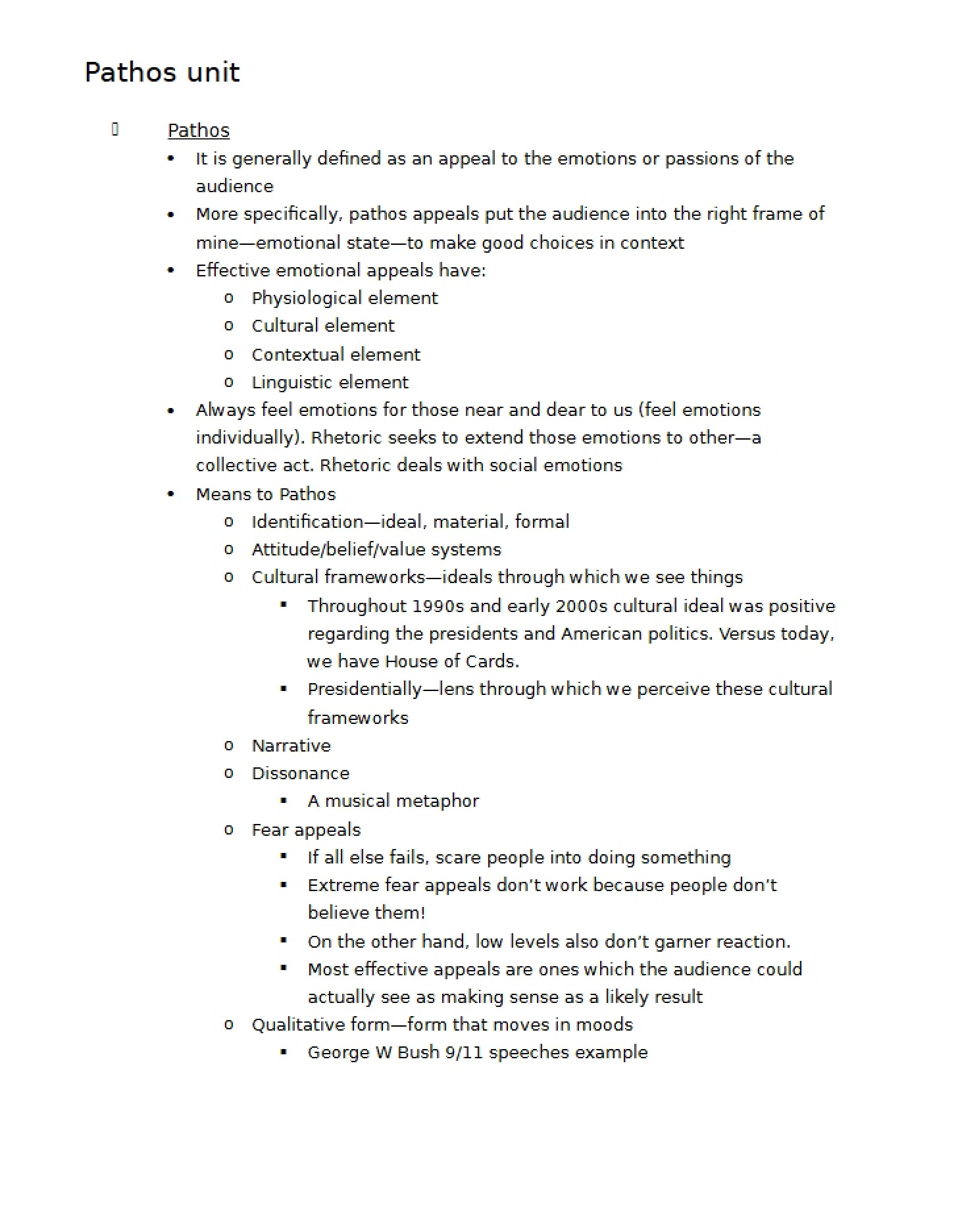
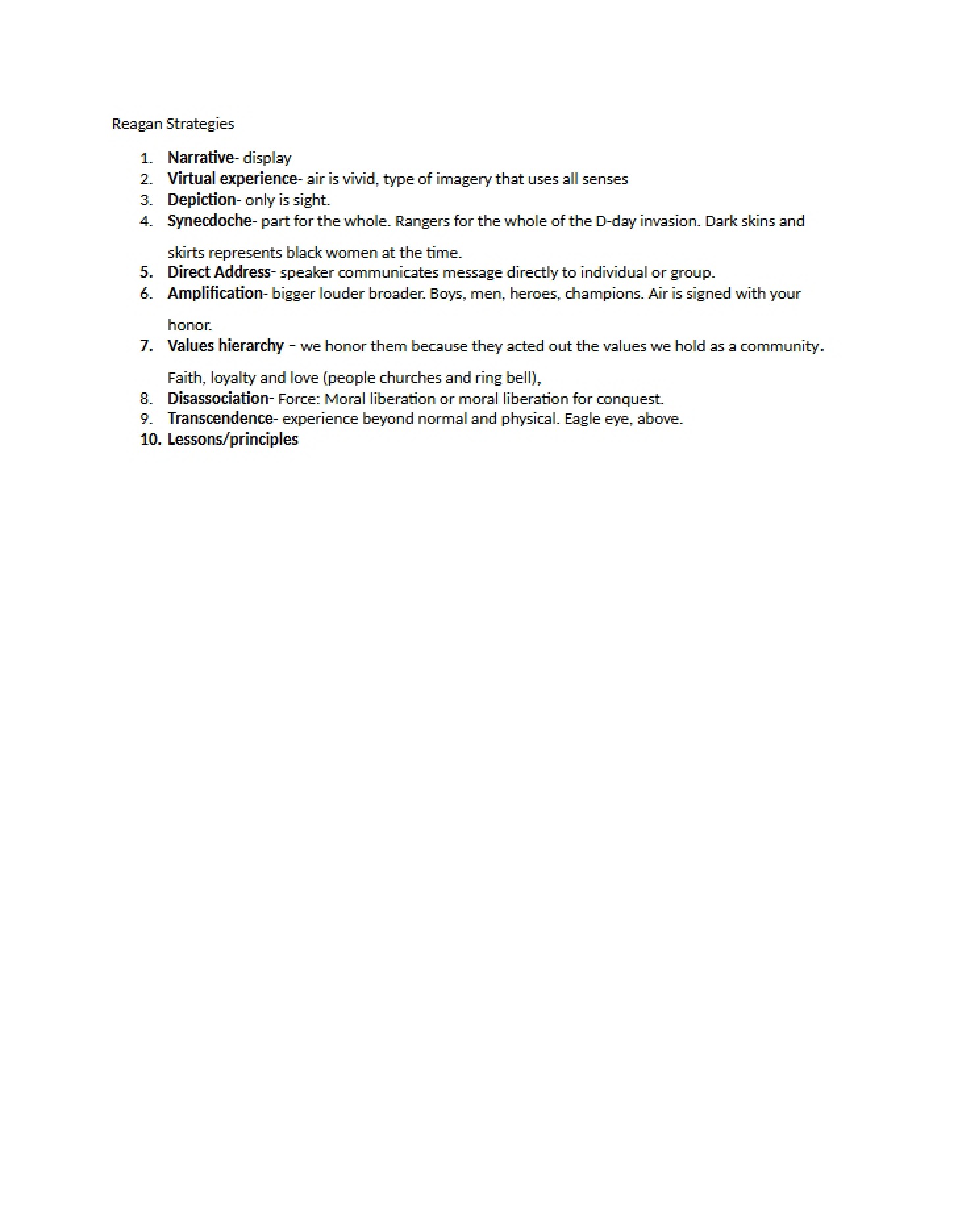
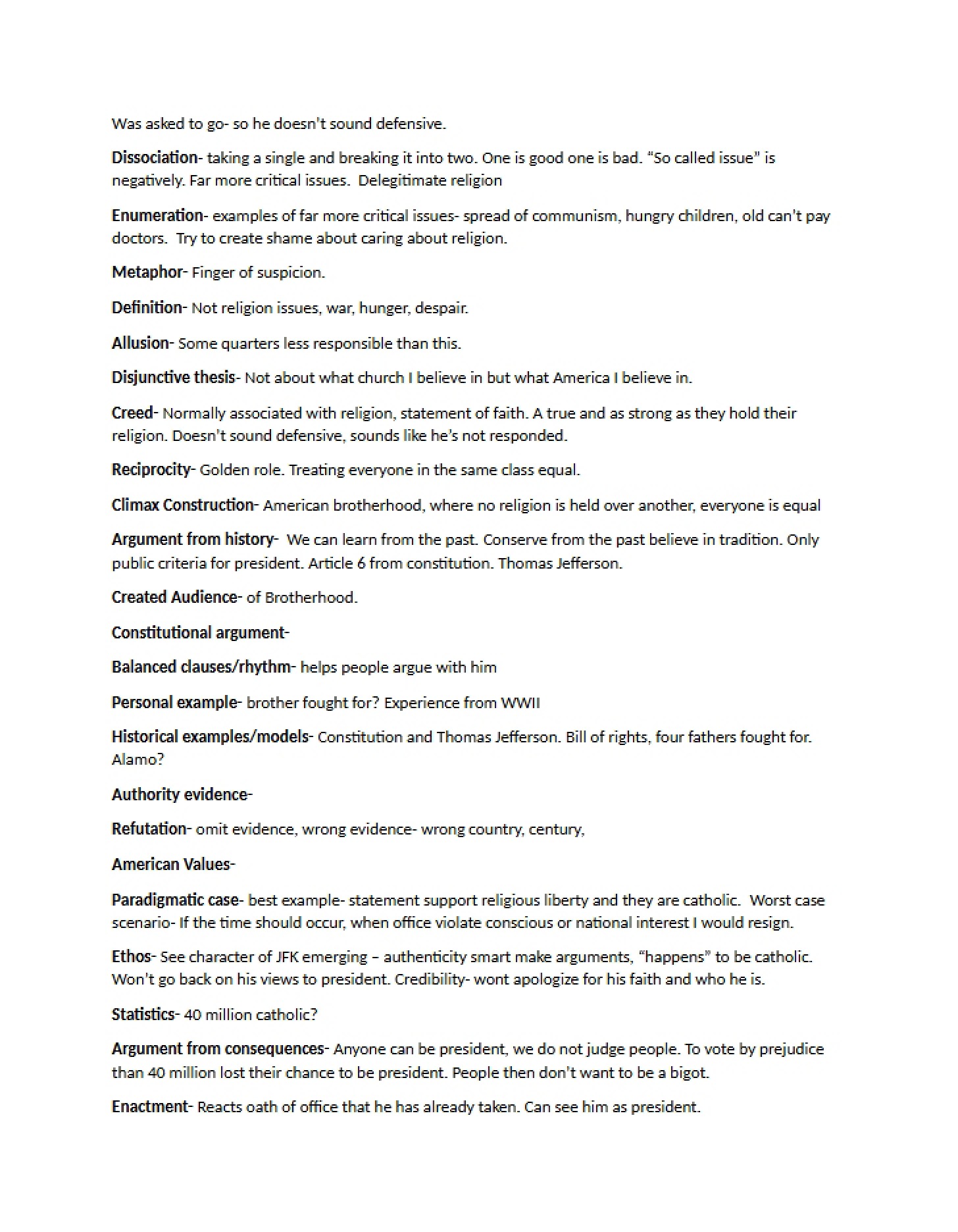
* Persuasive Strategies: Exploring a range of techniques used to influence an audience.
* Tone and Persona: Analyzing the speaker’s voice and constructed identity.
* Structural Elements: Understanding how the message is organized for maximum impact.
* Rhetorical Devices: Identifying and interpreting specific linguistic tools used for persuasion.
What This Document Provides
* A breakdown of key rhetorical concepts as applied to a specific case study.
* An exploration of how speakers establish credibility and connect with their audience.
* Identification of various persuasive appeals and their functions.
* Insight into the strategic use of language and structure in persuasive communication.
* A framework for analyzing persuasive messages in a variety of contexts.