What This Document Is
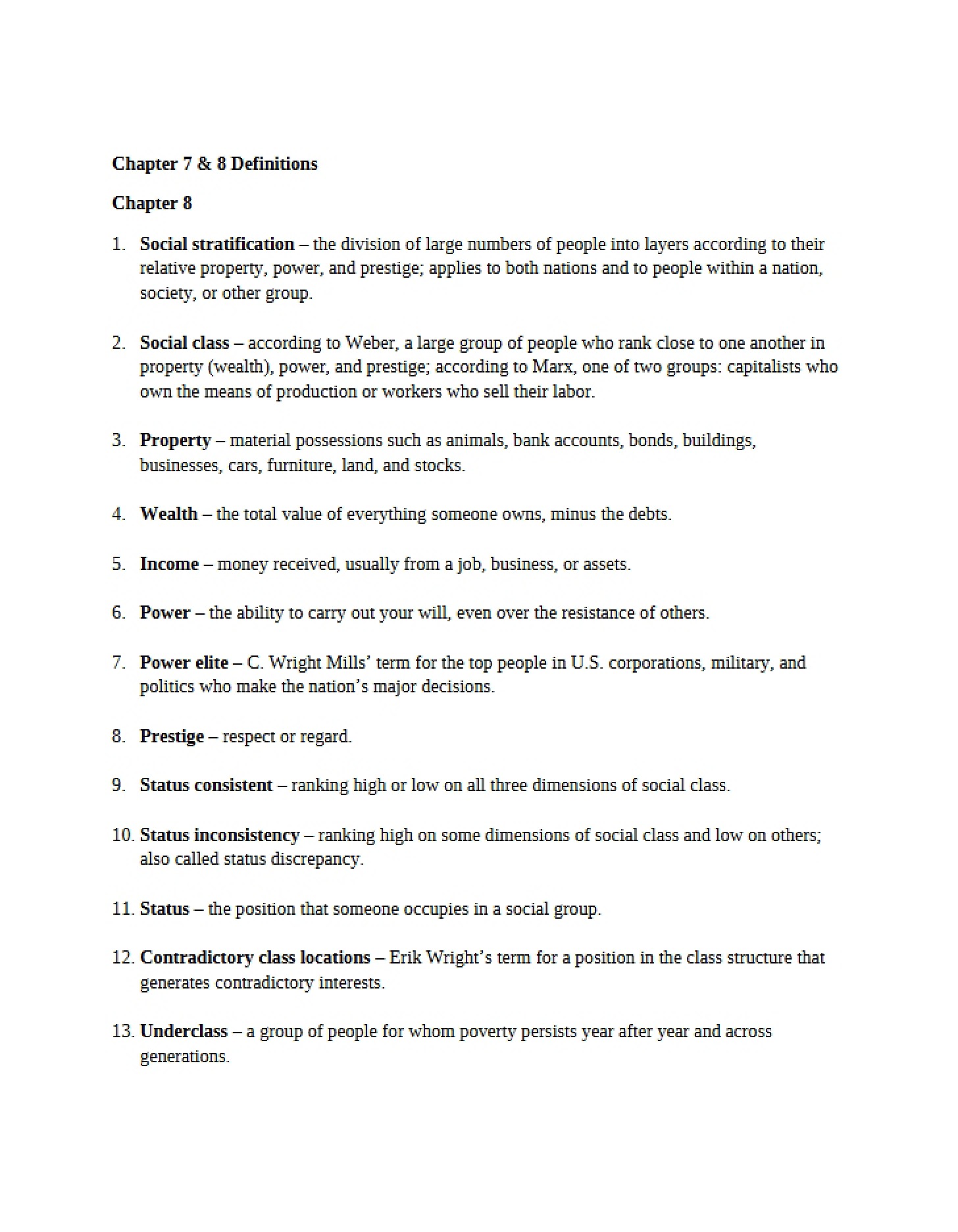
This study guide provides a comprehensive overview of social stratification, a core concept within introductory sociology. It delves into the ways societies categorize and rank individuals and groups, exploring the foundations and consequences of these hierarchical structures. The material examines different systems of stratification and the factors that contribute to social standing. It’s designed to support students learning about the complexities of inequality and social mobility.
Why This Document Matters
This resource is ideal for students enrolled in introductory sociology courses, particularly those focusing on social inequality, class, and status. It’s beneficial for preparing for exams, completing assignments, or simply gaining a deeper understanding of how society is organized. Students grappling with concepts like ascribed and achieved status, or the impact of social structures on individual life chances, will find this guide particularly helpful. It’s best used *alongside* course lectures and readings to reinforce key ideas.
Common Limitations or Challenges
This guide focuses on foundational theories and concepts related to social stratification. It does not offer specific case studies of particular societies beyond illustrative examples. It also doesn’t provide statistical data or current event analyses related to inequality. While it introduces different sociological perspectives, it doesn’t delve into highly specialized or niche areas within stratification studies. It is intended as a starting point for understanding the topic, not an exhaustive treatise.
What This Document Provides
* An exploration of the core principles defining social stratification.
* A comparison of closed and open systems of social hierarchy.
* Discussion of the components of social standing, including status and its various forms.
* An overview of how social stratification impacts various aspects of life, such as opportunities and lifestyle.
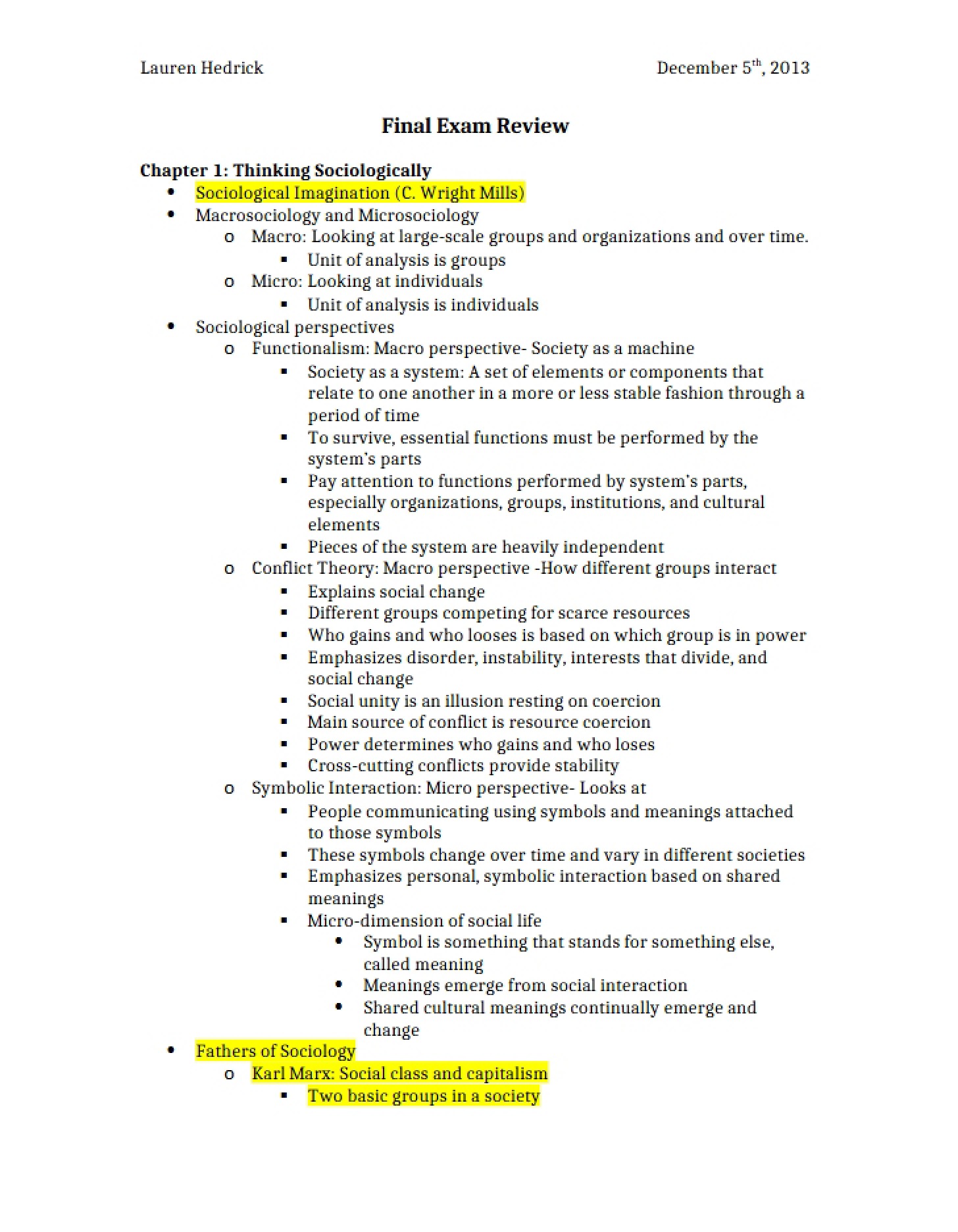
* Introductions to major sociological perspectives on the origins and functions of social stratification, including functionalist and conflict theories.
* Consideration of how symbolic interactions contribute to perceptions of social class.