What This Document Is
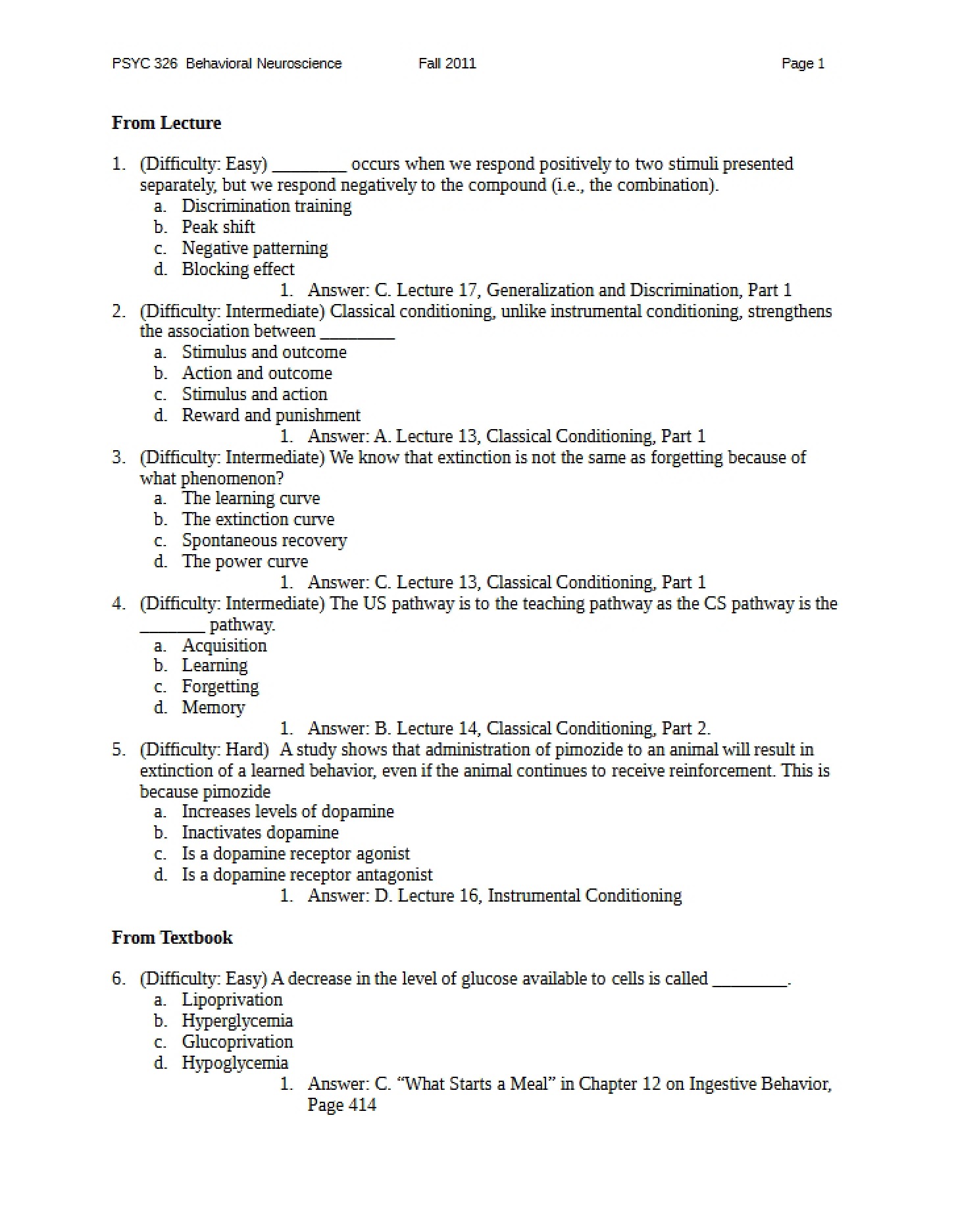
This resource is a collection of practice questions, submitted by students, designed to help you assess your understanding of core concepts in PSYC 326: Behavioral Neuroscience at the University of Southern California. It focuses on material likely to be covered on Midterm One, and is formatted as a question-and-answer review tool. The questions span a range of difficulty, from foundational knowledge checks to more complex, application-based scenarios. It’s designed to mimic the style and scope of questions you might encounter on an actual exam.
Why This Document Matters
If you’re enrolled in Behavioral Neuroscience (PSYC 326) and preparing for your first midterm, this collection of student-generated questions can be a valuable study aid. It’s particularly useful for self-testing, identifying areas where your understanding is strong, and pinpointing topics that require further review. Utilizing these questions alongside your lecture notes, textbook readings, and other course materials will help solidify your grasp of the material. This is best used *after* you’ve engaged with the core course content, as a way to actively recall and apply what you’ve learned.
Common Limitations or Challenges
It’s important to remember that these questions were originally submitted by fellow students. While efforts have been made to ensure accuracy, the questions and associated responses may contain inaccuracies or areas for improvement. This resource should *not* be considered a substitute for official course materials or instructor guidance. It’s crucial to critically evaluate each question and answer, verifying its correctness against your understanding of the course content. This document does not provide detailed explanations or elaborations on the concepts tested.
What This Document Provides
* A diverse set of questions covering topics such as neurotransmitters and psychopharmacology.
* Questions relating to the structure and function of cells within the nervous system.
* Practice questions focused on the central and peripheral nervous systems.
* Questions exploring the physiological basis of neurological disorders.
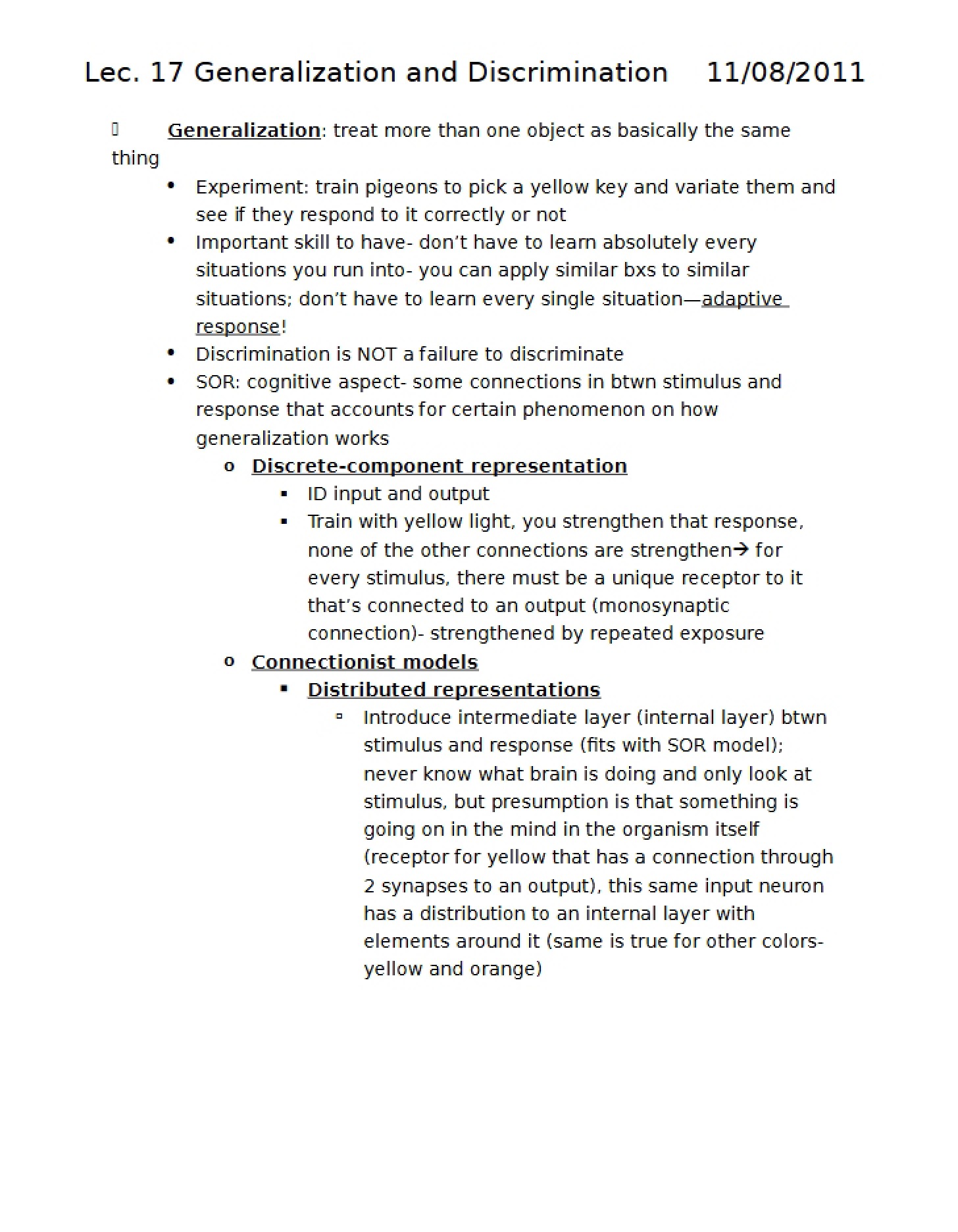
* Questions relating to foundational principles of learning and neural plasticity.
* Questions categorized by difficulty level (Easy, Intermediate, Hard) to facilitate targeted study.
* References to associated course lectures and textbook chapters to guide your review.