What This Document Is
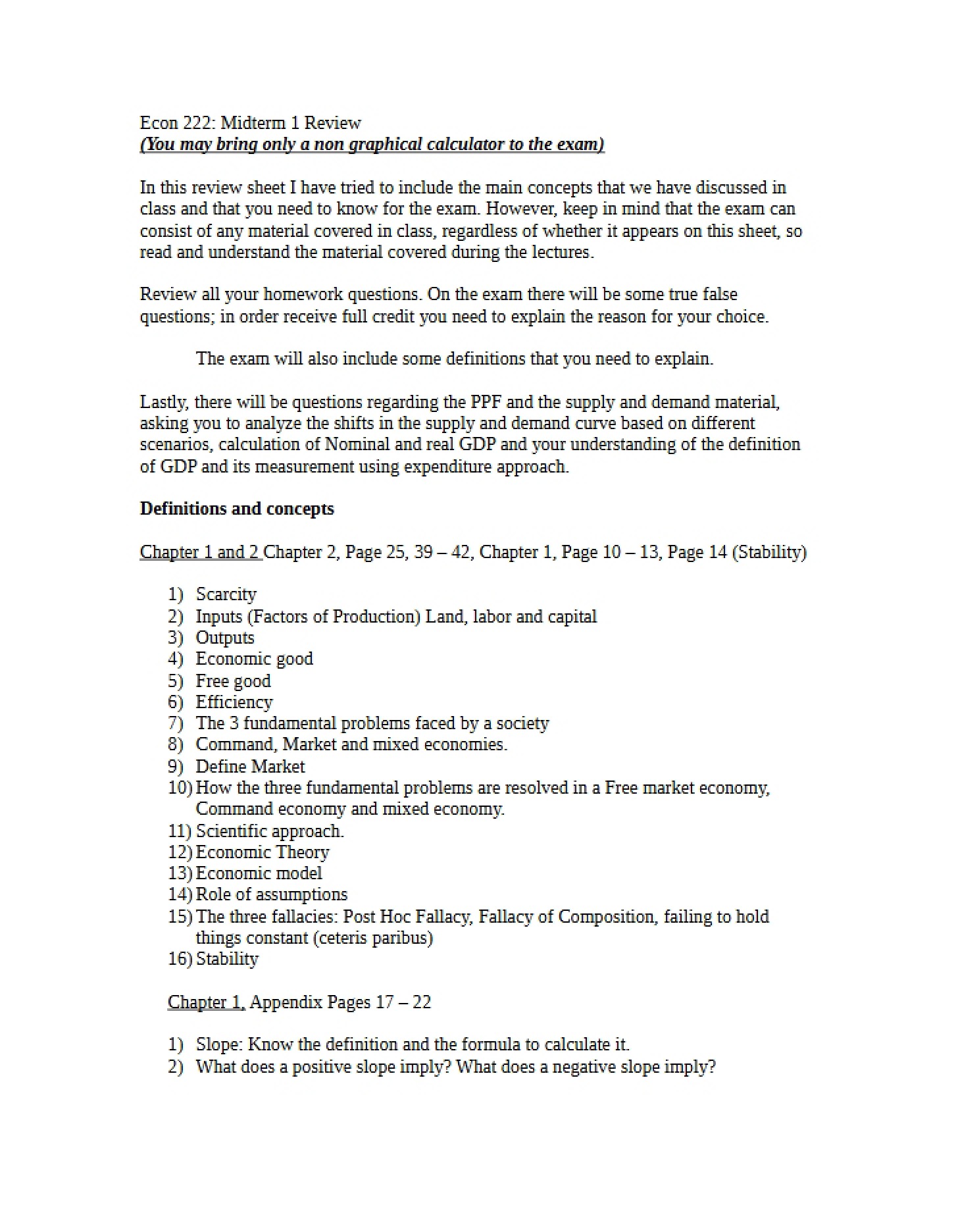
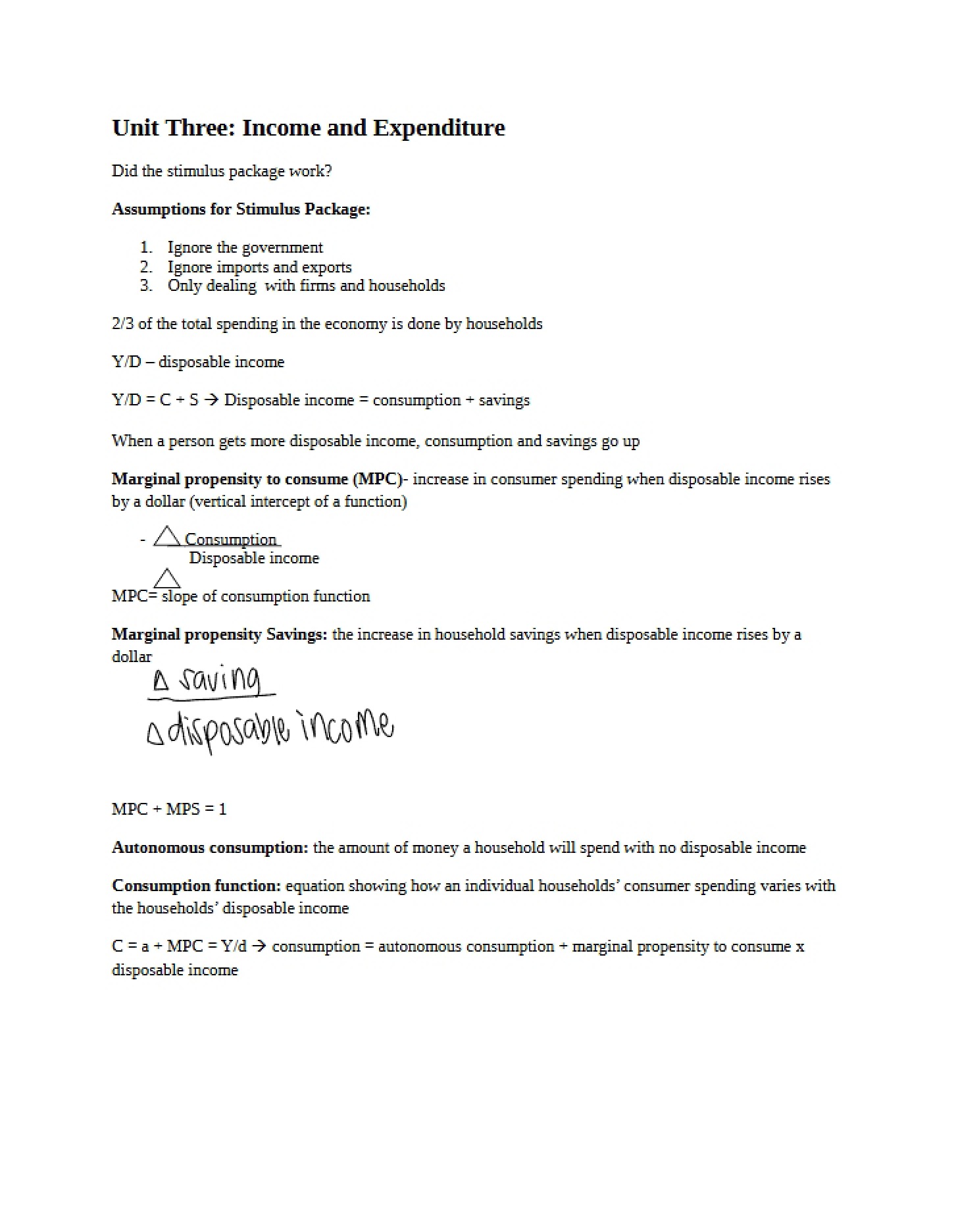
This study guide focuses on core principles within Principles of Macroeconomics (ECON 222) at the University of South Carolina, specifically Unit Three: National Income and Price Determination. It delves into the foundational concepts of Aggregate Demand and Aggregate Supply, exploring how these forces interact to establish economic equilibrium. The guide is structured around in-class examples and problems, suggesting a close tie to lecture material.
Why This Document Matters
This resource is ideal for students seeking to solidify their understanding of macroeconomic equilibrium. It’s particularly helpful when preparing for quizzes and exams covering topics like the determinants of aggregate demand, the shape and shifts of the AD curve, and the behavior of short-run and long-run aggregate supply. Students who find themselves struggling with graphical analysis of these concepts, or who need a consolidated review of the factors influencing national income and price levels, will find this guide beneficial. It’s best used *in conjunction* with course lectures and assigned readings.
Common Limitations or Challenges
This study guide is designed to *supplement* – not replace – active participation in the ECON 222 course. It does not contain the full scope of lecture content, nor does it provide complete solutions to all possible problems. It focuses specifically on Aggregate Demand and Aggregate Supply equilibrium and does not cover other topics within Unit Three. It assumes a basic understanding of macroeconomic terminology and concepts introduced earlier in the course.
What This Document Provides
* A focused exploration of the relationship between price levels and aggregate output.
* An overview of the factors that cause shifts in the Aggregate Demand curve.
* Discussion of the distinctions between Aggregate Demand and individual demand.
* Analysis of the short-run and long-run Aggregate Supply curves, including their slopes and determinants.
* Examination of how changes in the Aggregate Supply curve impact the overall economy.
* Conceptual frameworks for understanding economic scenarios like recessions and expansions.
* Guidance on interpreting the implications of economic conditions for the labor market.