What This Document Is
This resource is a practical guide demonstrating the application of statistical survey methods using the “Survey” package within the R programming environment. It focuses on illustrating how to implement various survey designs – including stratified sampling, ratio estimation, and multi-stage cluster sampling – through code examples. The material builds upon foundational concepts in survey theory and aims to bridge the gap between theoretical understanding and practical application.
Why This Document Matters
Students enrolled in courses on survey methodology, statistical inference, or applied regression analysis will find this particularly useful. It’s ideal for those seeking to solidify their understanding of how to analyze complex survey data using a powerful statistical software package. Researchers and practitioners needing to implement these designs in their own work will also benefit from seeing how the “Survey” package streamlines the process. This is best used *after* gaining a foundational understanding of the underlying statistical principles.
Common Limitations or Challenges
This resource focuses specifically on implementation within R and assumes a basic familiarity with the R programming language. It does not provide a comprehensive introduction to survey theory itself; rather, it assumes you already understand the concepts behind stratified sampling, ratio estimation, and cluster sampling. It also doesn’t cover data collection methods or questionnaire design – the focus is solely on the *analysis* of existing survey data. The examples provided are illustrative and may require adaptation for different datasets.
What This Document Provides
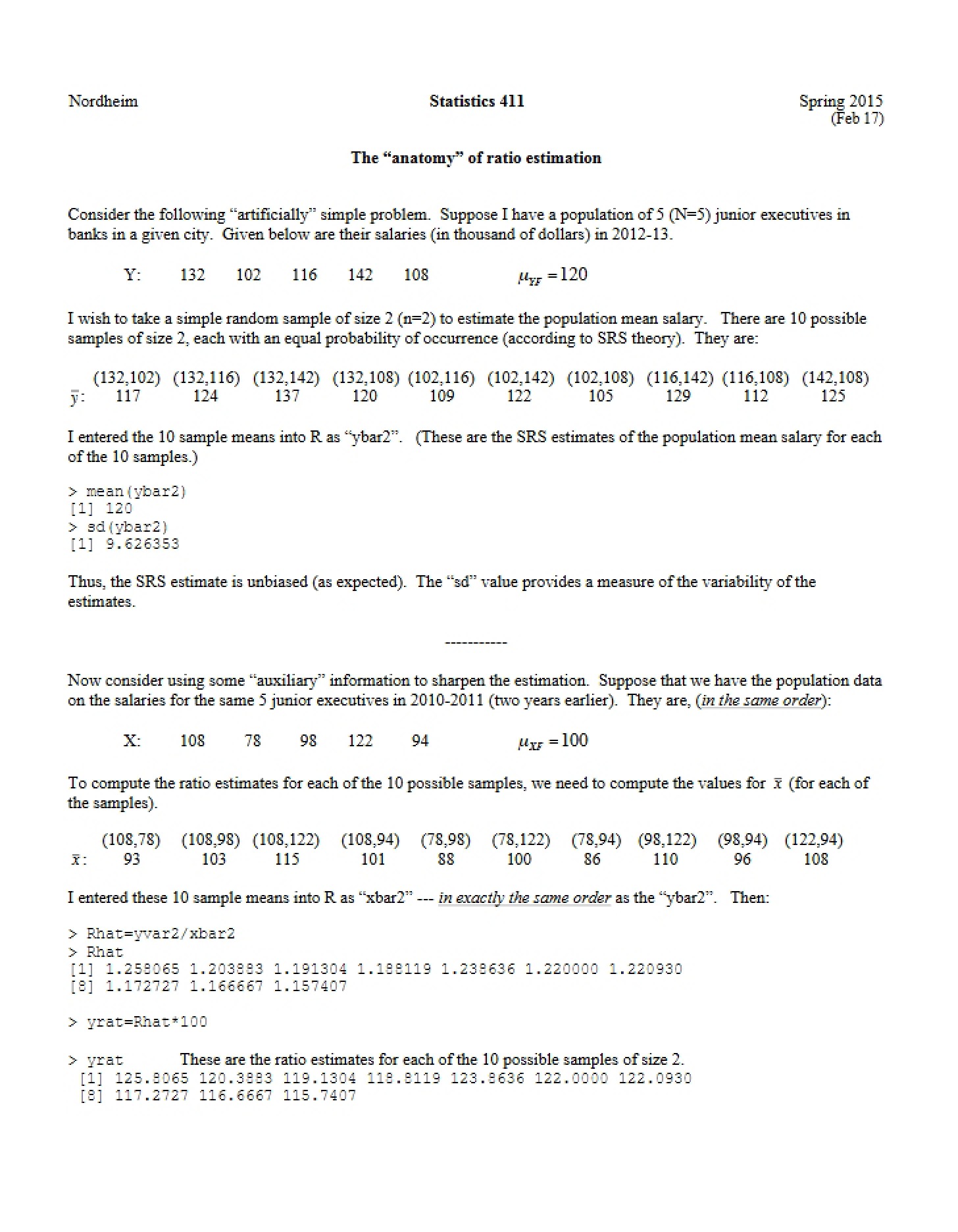
* Illustrative examples of applying the “Survey” package in R to different survey designs.
* Demonstrations of how to define survey designs, including specifying strata, sampling weights, and cluster structures.
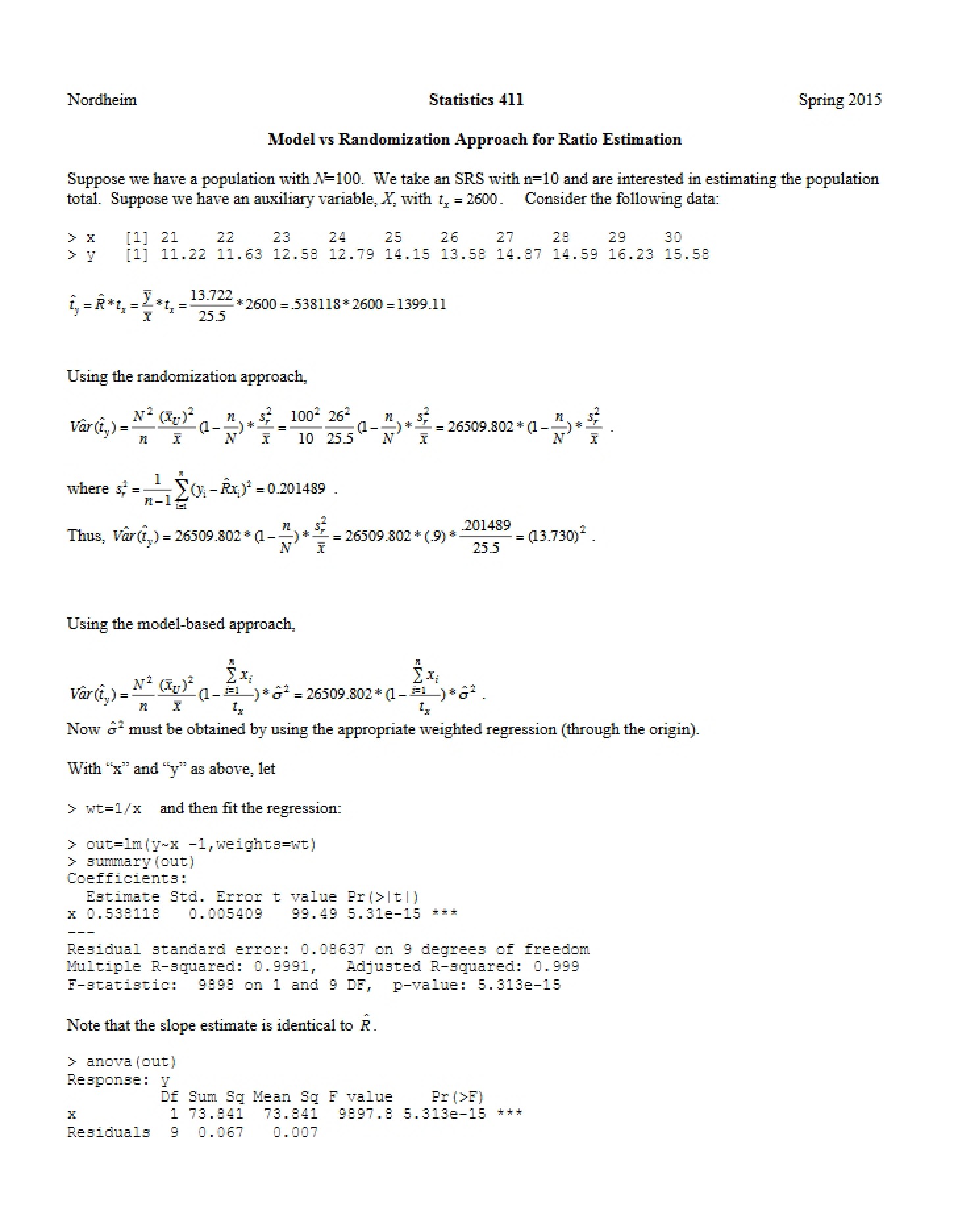
* Guidance on calculating estimates (totals, ratios, means) and their associated standard errors using the “svy” functions.
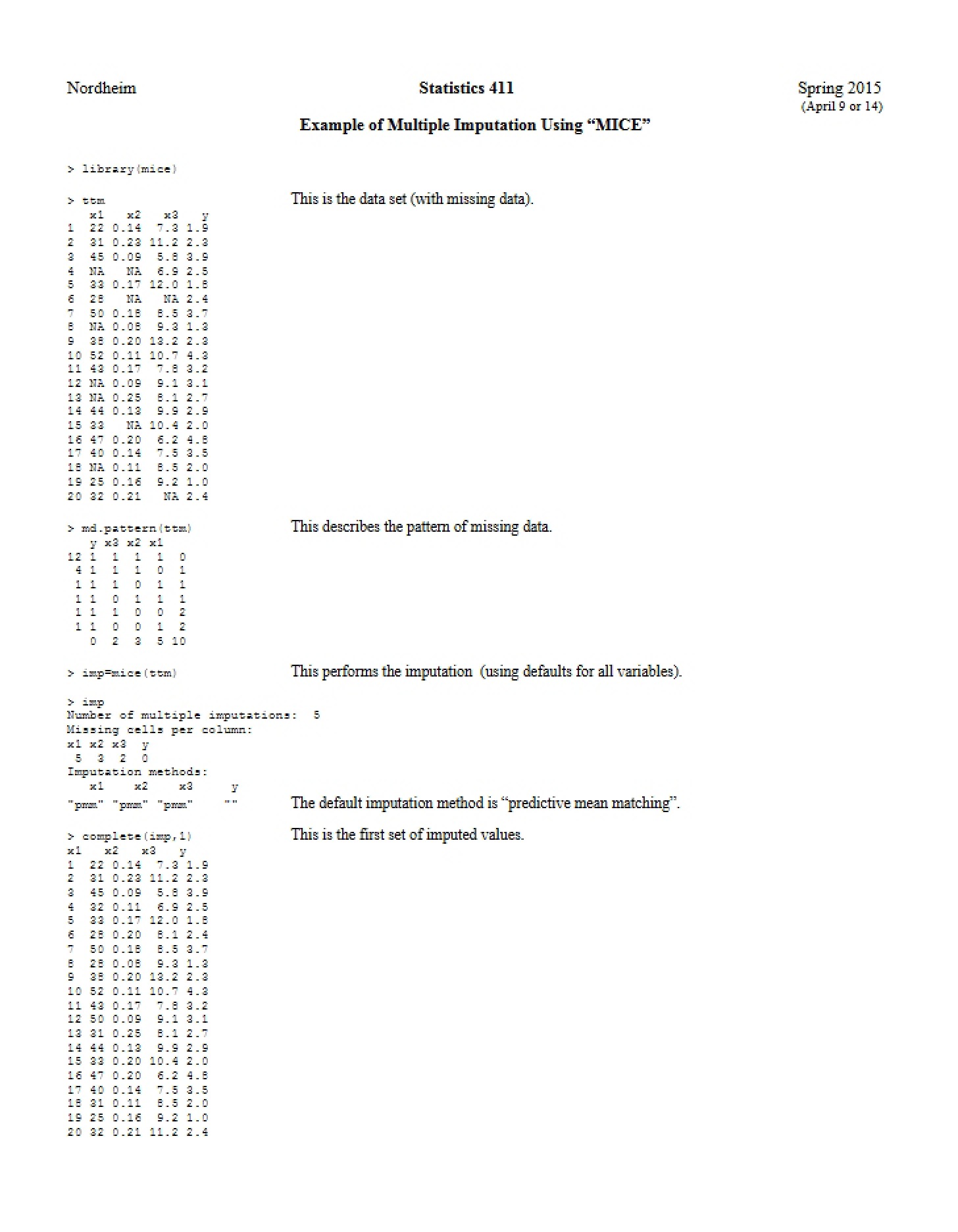
* Practical code snippets to help you get started with analyzing complex survey data.
* Examples utilizing real-world scenarios to contextualize the application of these methods.