What This Document Is
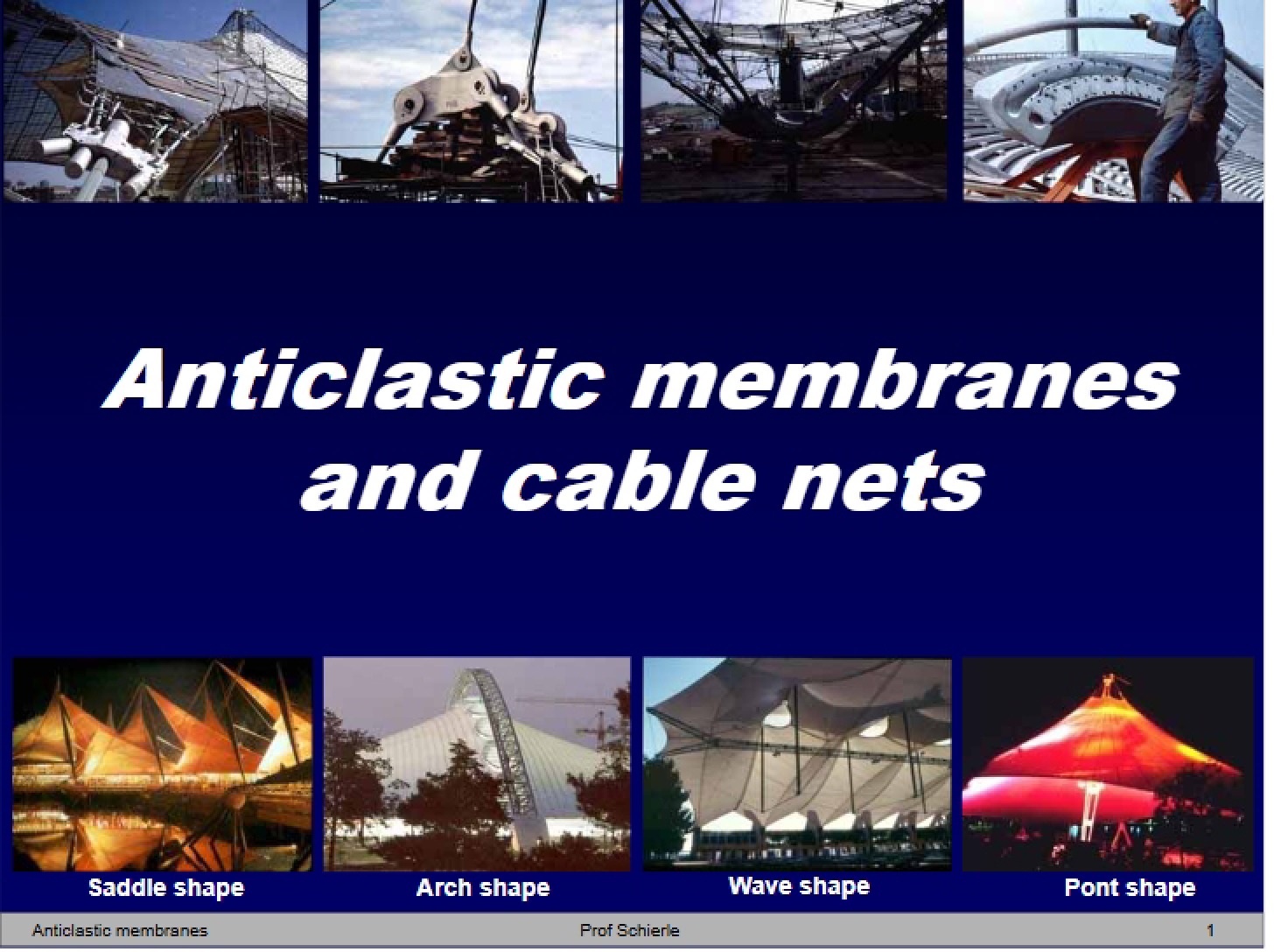
This material is a focused exploration of “Synergy” as a core principle in architectural design and structural engineering, specifically within the context of advanced architectural structures. It delves into the idea of integrated systems where the combined effect is greater than the sum of individual components. The document uses historical and contemporary examples to illustrate how thoughtful integration of form and structure can lead to enhanced performance and aesthetic qualities in building design. It’s part of the seminar coursework for ARCH 513L at the University of Southern California.
Why This Document Matters
This resource is invaluable for architecture students and professionals seeking a deeper understanding of structural concepts beyond basic calculations. It’s particularly useful when grappling with complex design challenges where optimizing material use, maximizing structural efficiency, and achieving a harmonious relationship between aesthetics and engineering are paramount. Students preparing for advanced design studios, thesis projects, or those interested in innovative structural systems will find this a compelling study aid. It’s best utilized *after* a foundational understanding of structural mechanics has been established.
Common Limitations or Challenges
This material focuses on conceptual understanding and illustrative examples. It does *not* provide detailed step-by-step calculations, construction methodologies, or specific building codes. It’s not a substitute for hands-on experience with structural analysis software or practical construction knowledge. The document presents a curated selection of case studies; it is not an exhaustive historical survey of synergistic structural approaches.
What This Document Provides
* An exploration of the core concept of “Synergy” in relation to architectural structures.
* A series of historical precedents demonstrating synergistic relationships between form and structure.
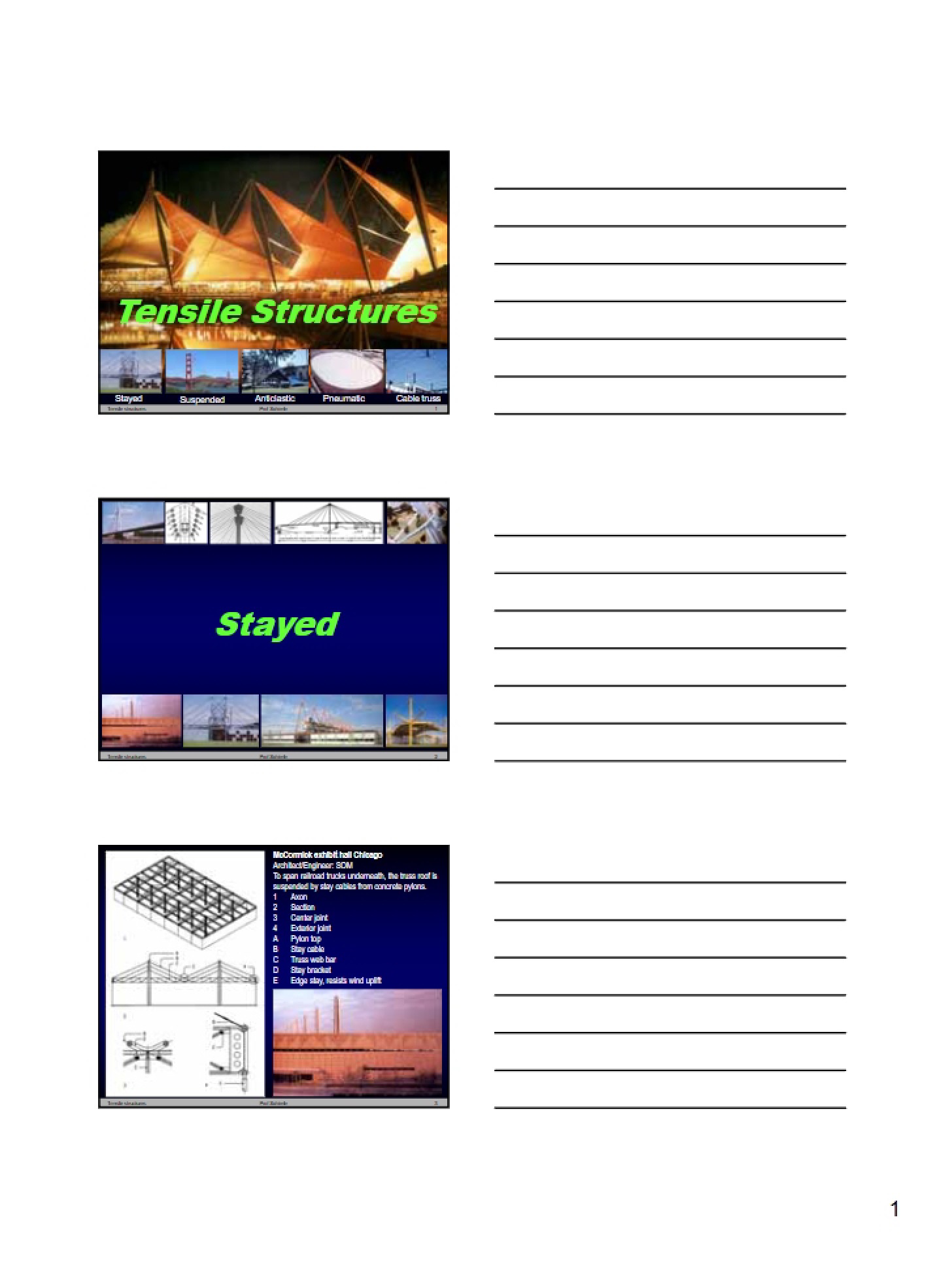
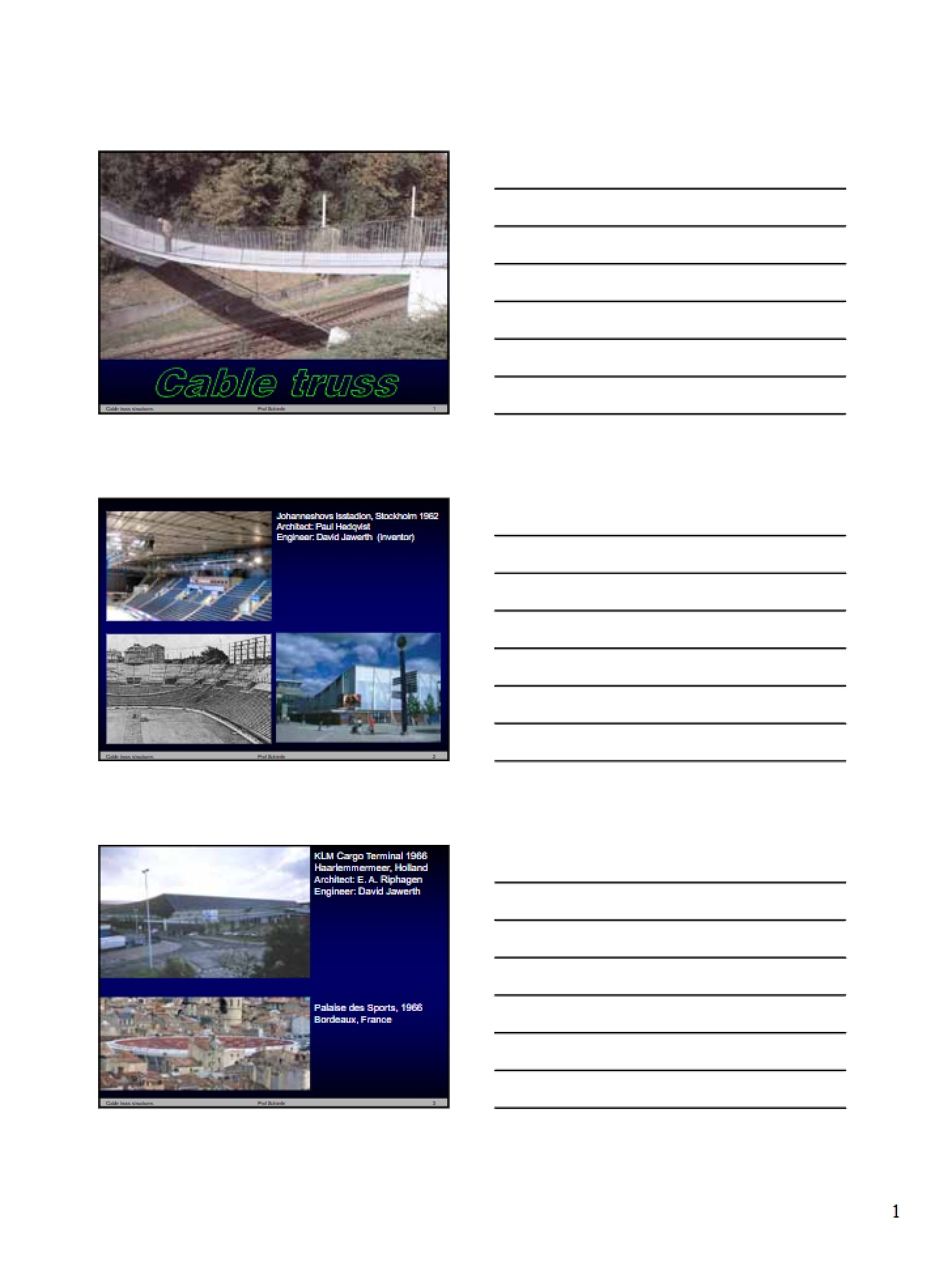
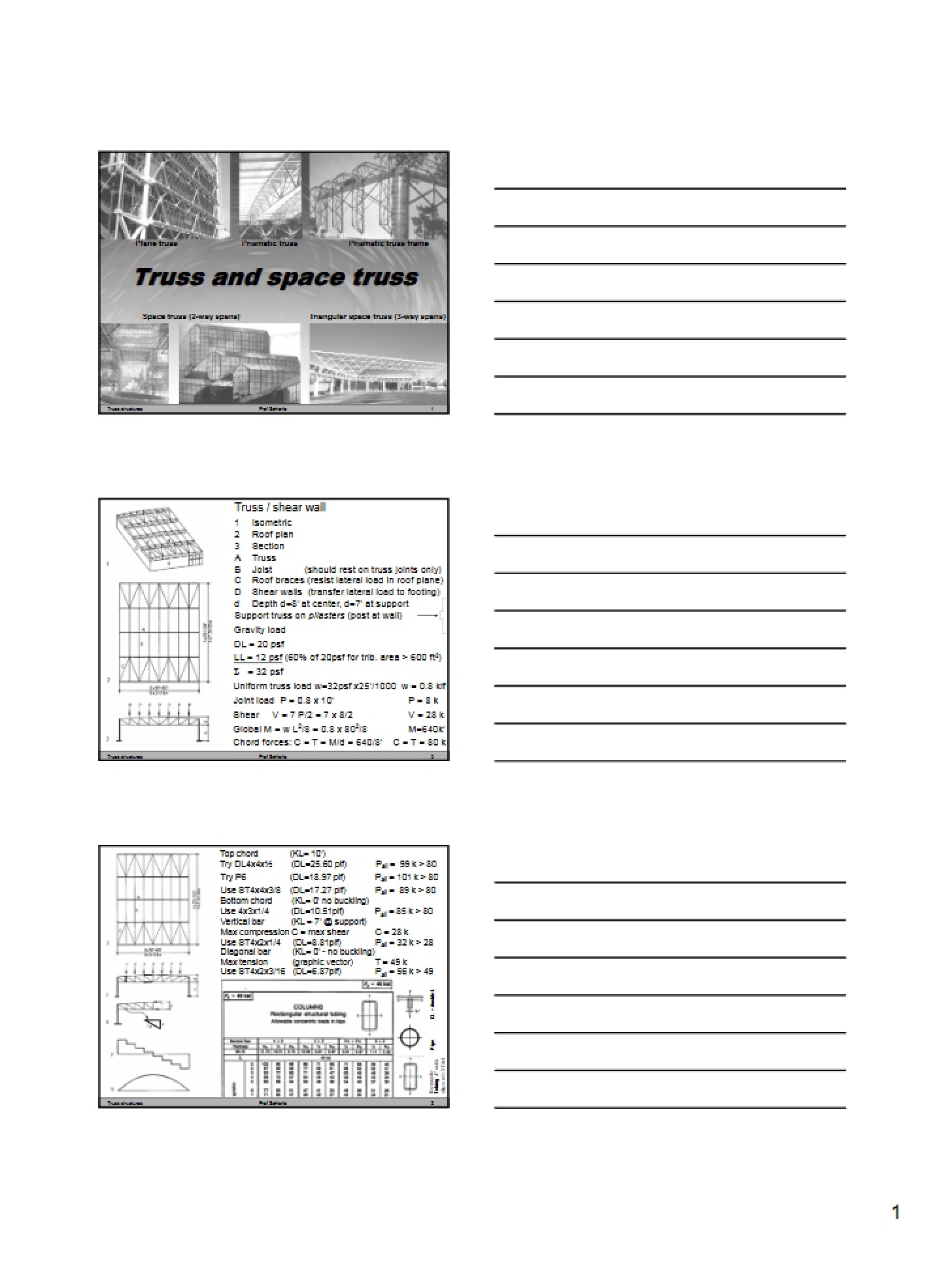
* Visual references to significant architectural works from various periods and cultures.
* Illustrative examples intended to spark critical thinking about structural optimization.
* A framework for analyzing how integrated design can enhance both the strength and beauty of architectural forms.