What This Document Is
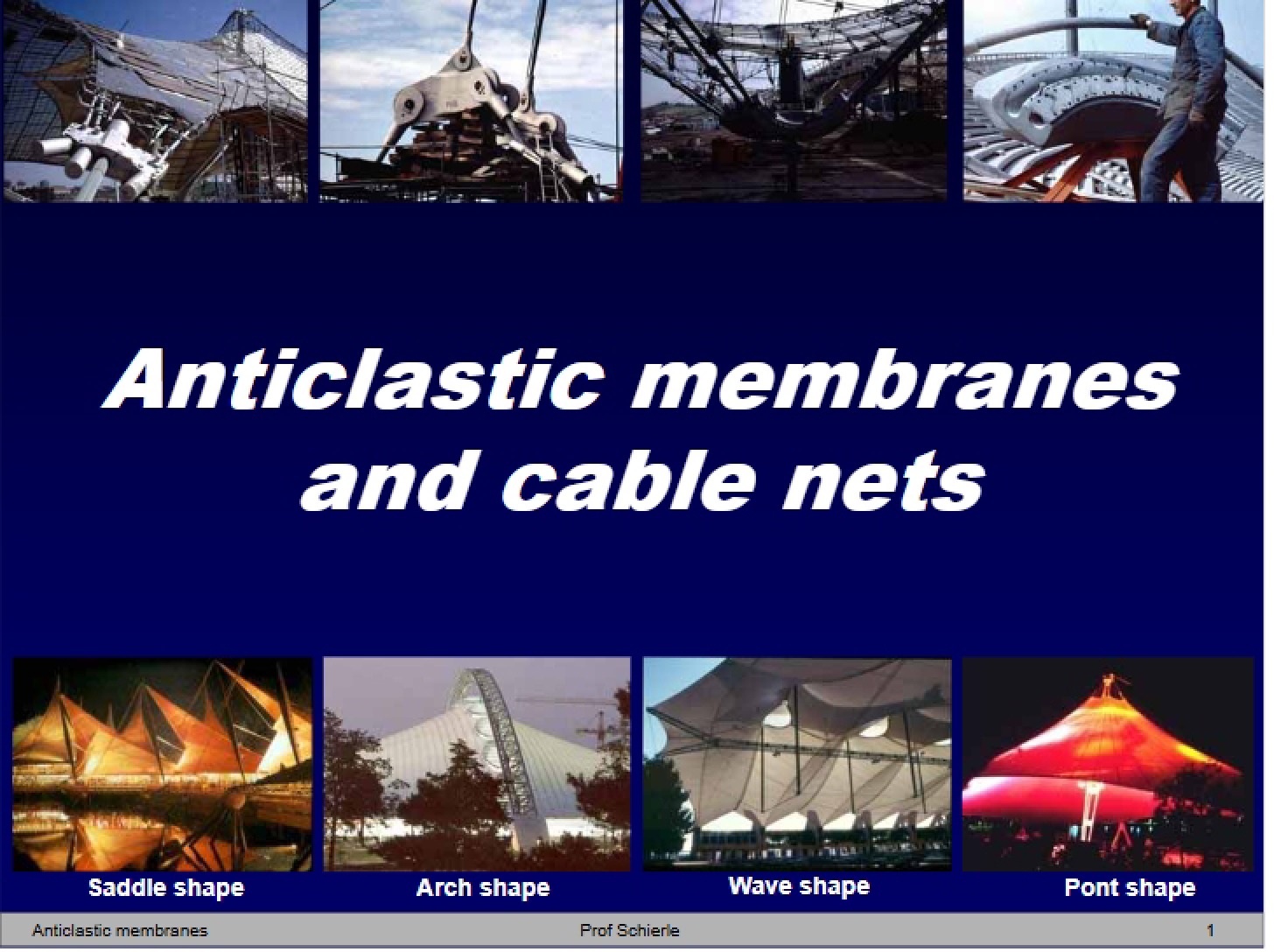
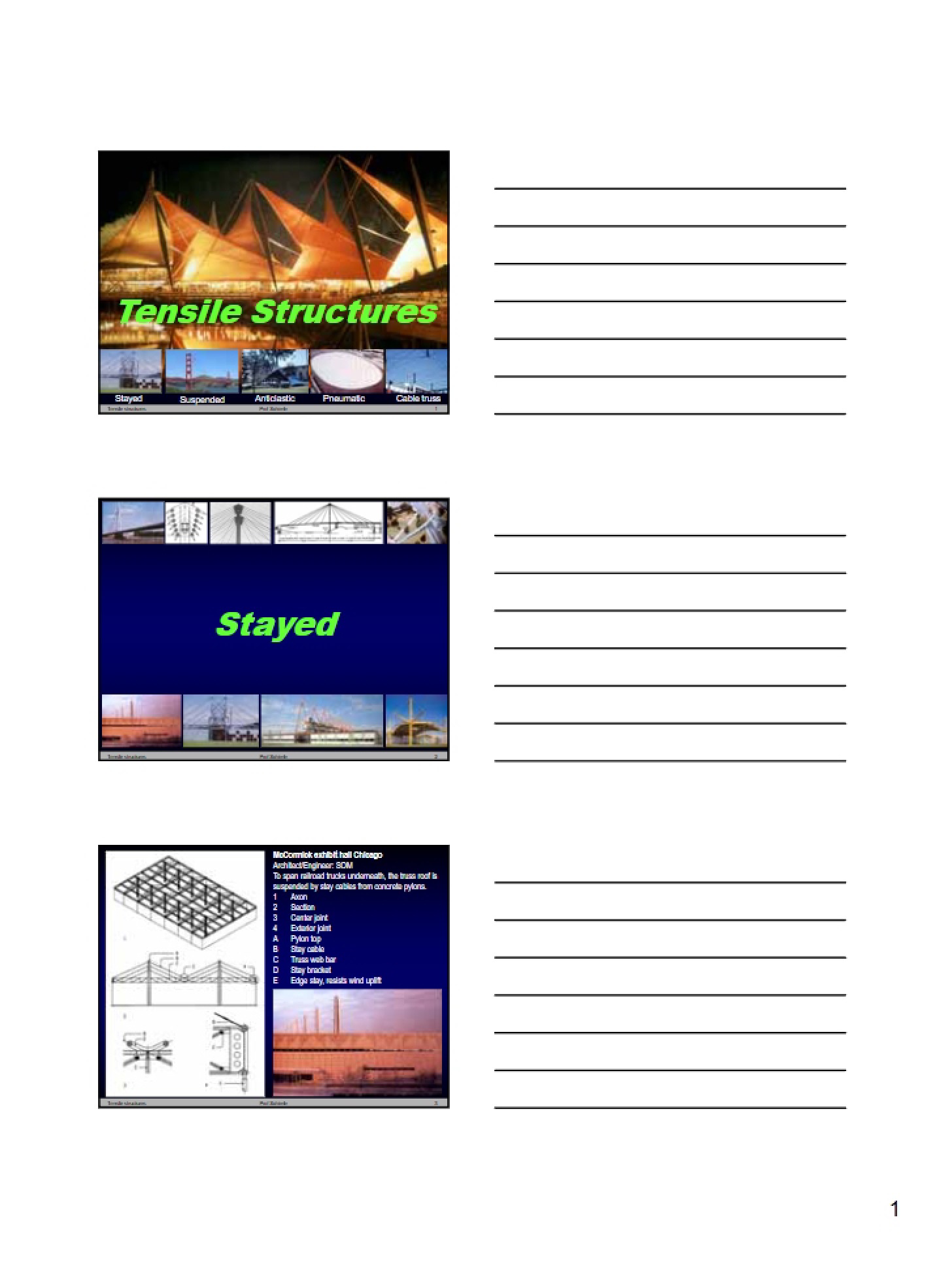
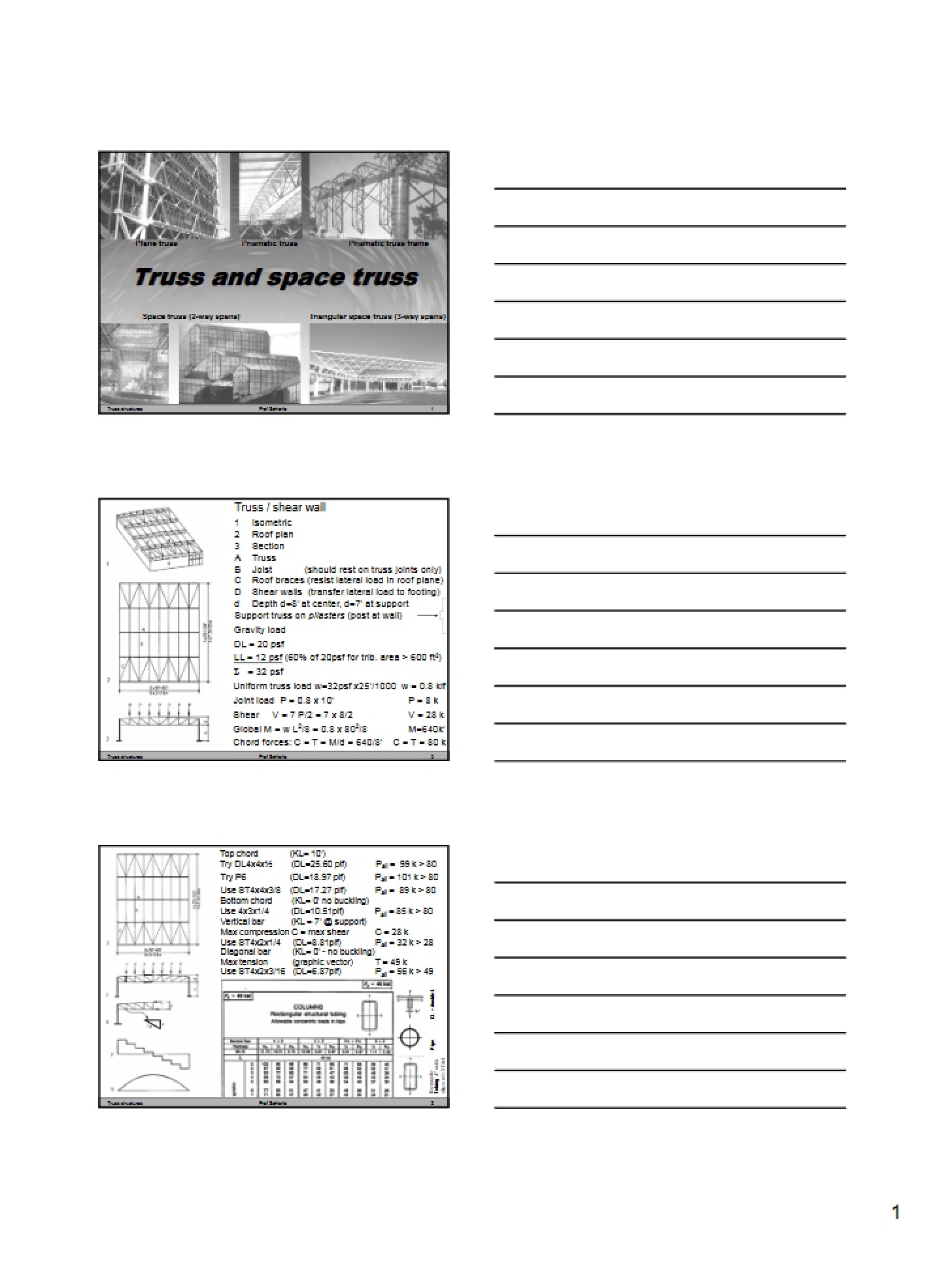
This is a focused exploration of advanced structural systems, specifically concentrating on the design and application of truss cables in architectural engineering. It delves into the principles behind various cable and truss configurations, examining how they are utilized to achieve efficient and innovative structural solutions. The material draws upon case studies of real-world architectural projects, showcasing the practical implementation of these concepts. It appears to be part of a higher-level seminar course, likely intended for advanced architecture or civil engineering students.
Why This Document Matters
This resource is invaluable for students and professionals seeking a deeper understanding of tensile structures and their role in modern architecture. It’s particularly relevant for those involved in the design of large-span structures, seeking to optimize material usage, or exploring unconventional architectural forms. Individuals preparing for advanced structural engineering exams or undertaking research in this field will also find it beneficial. Understanding these concepts is crucial for anyone aiming to push the boundaries of structural design and create aesthetically compelling, yet structurally sound, buildings.
Common Limitations or Challenges
This material focuses on the theoretical underpinnings and illustrative examples of truss cable systems. It does *not* provide comprehensive step-by-step design calculations or detailed construction methodologies. It assumes a pre-existing foundation in structural analysis, statics, and mechanics of materials. Furthermore, it doesn’t cover all possible variations of truss cable systems, but rather focuses on a selection of prominent and historically significant examples. Access to relevant building codes and software for detailed analysis is also assumed.
What This Document Provides
* An overview of different cable truss configurations – including concave, convex, and parallel chord systems.
* Illustrative examples of architectural projects that successfully employ cable truss structures.
* Discussion of the load-bearing characteristics of various truss types.
* Considerations for stabilizing elements within cable truss systems, such as compression struts and tension rings.
* Exploration of the interplay between tension and compression forces in these structures.
* Insights into the practical challenges of implementing cable trusses, such as span limitations and accessibility requirements.
* References to specific material properties and allowable stresses relevant to cable design.