What This Document Is
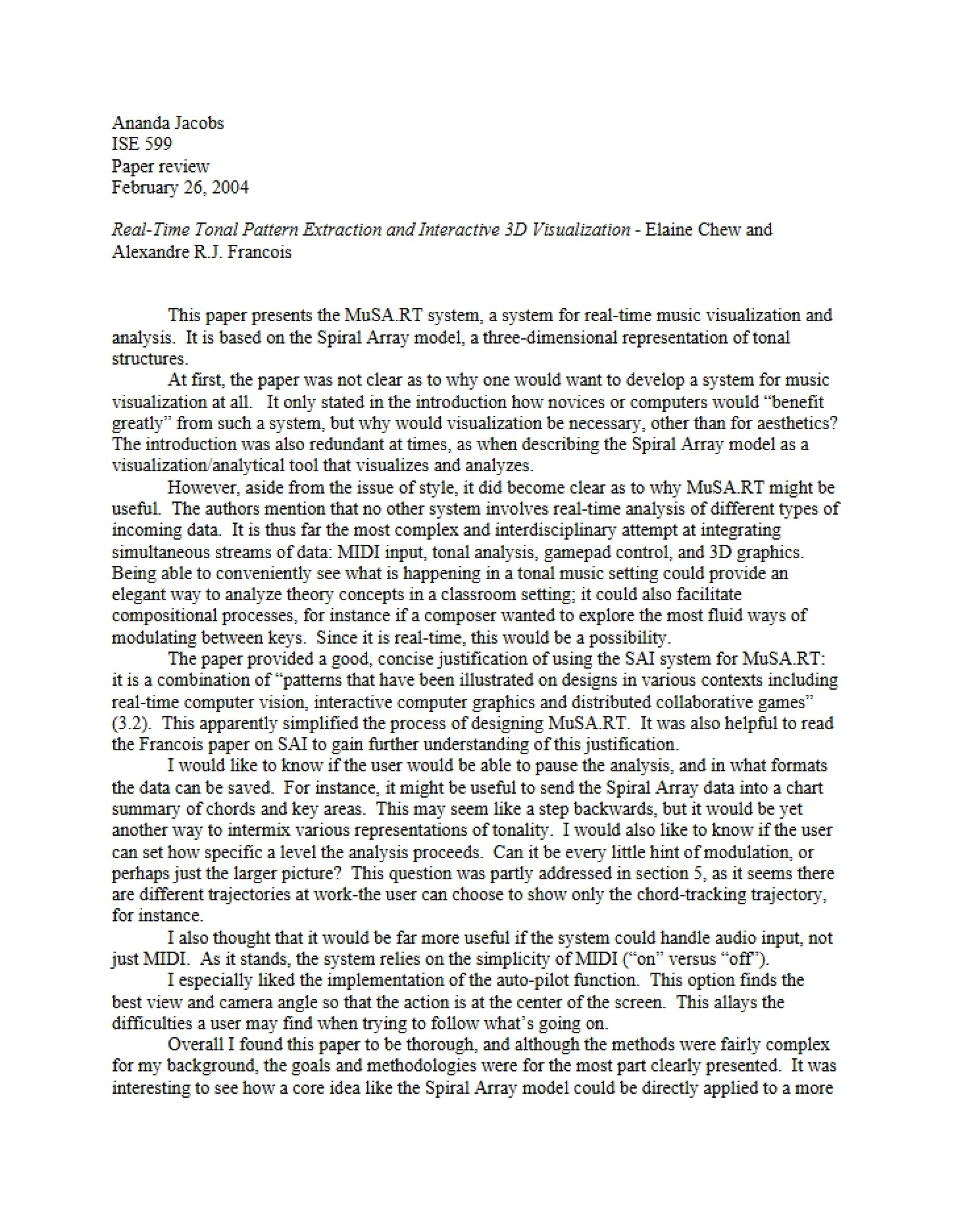
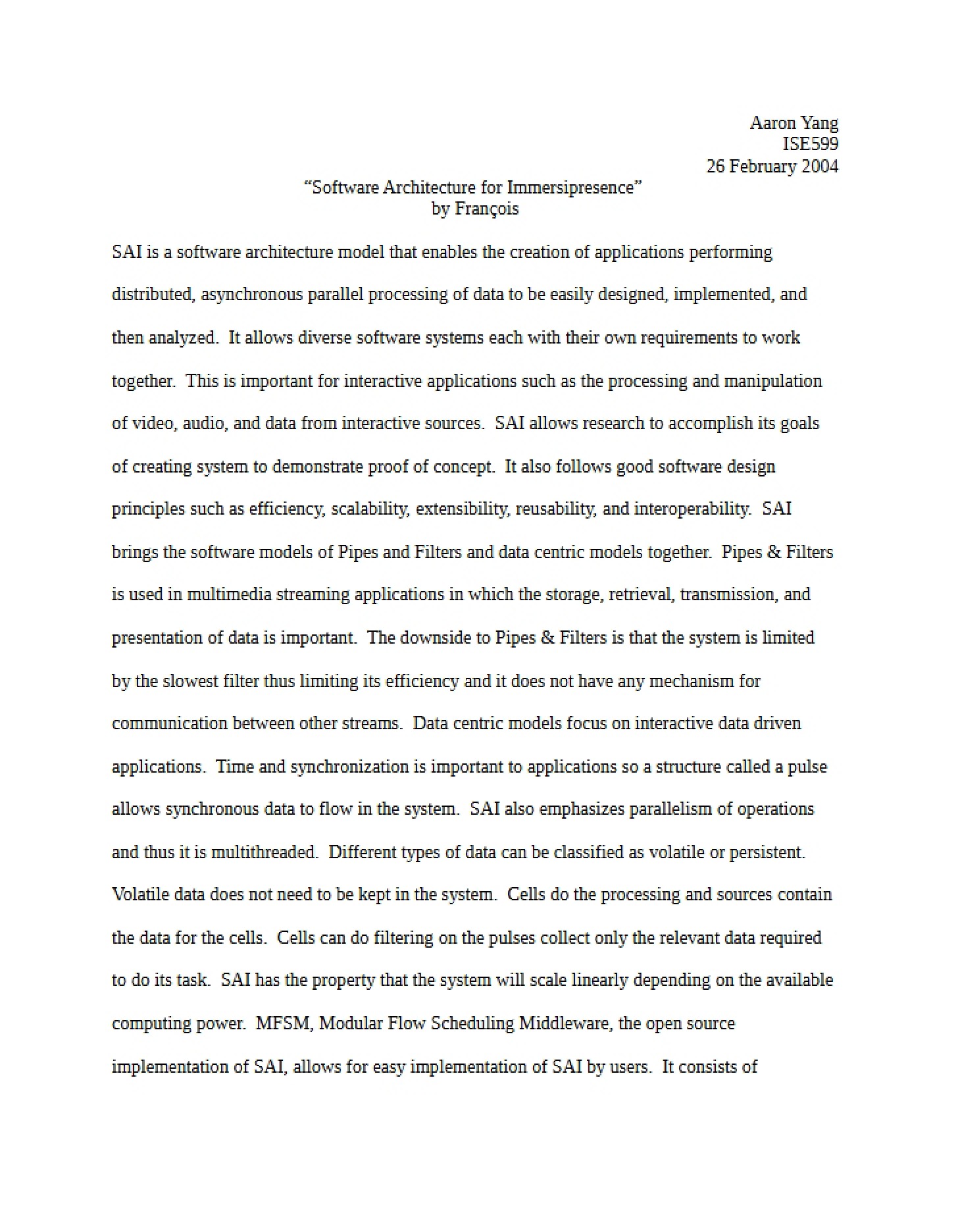
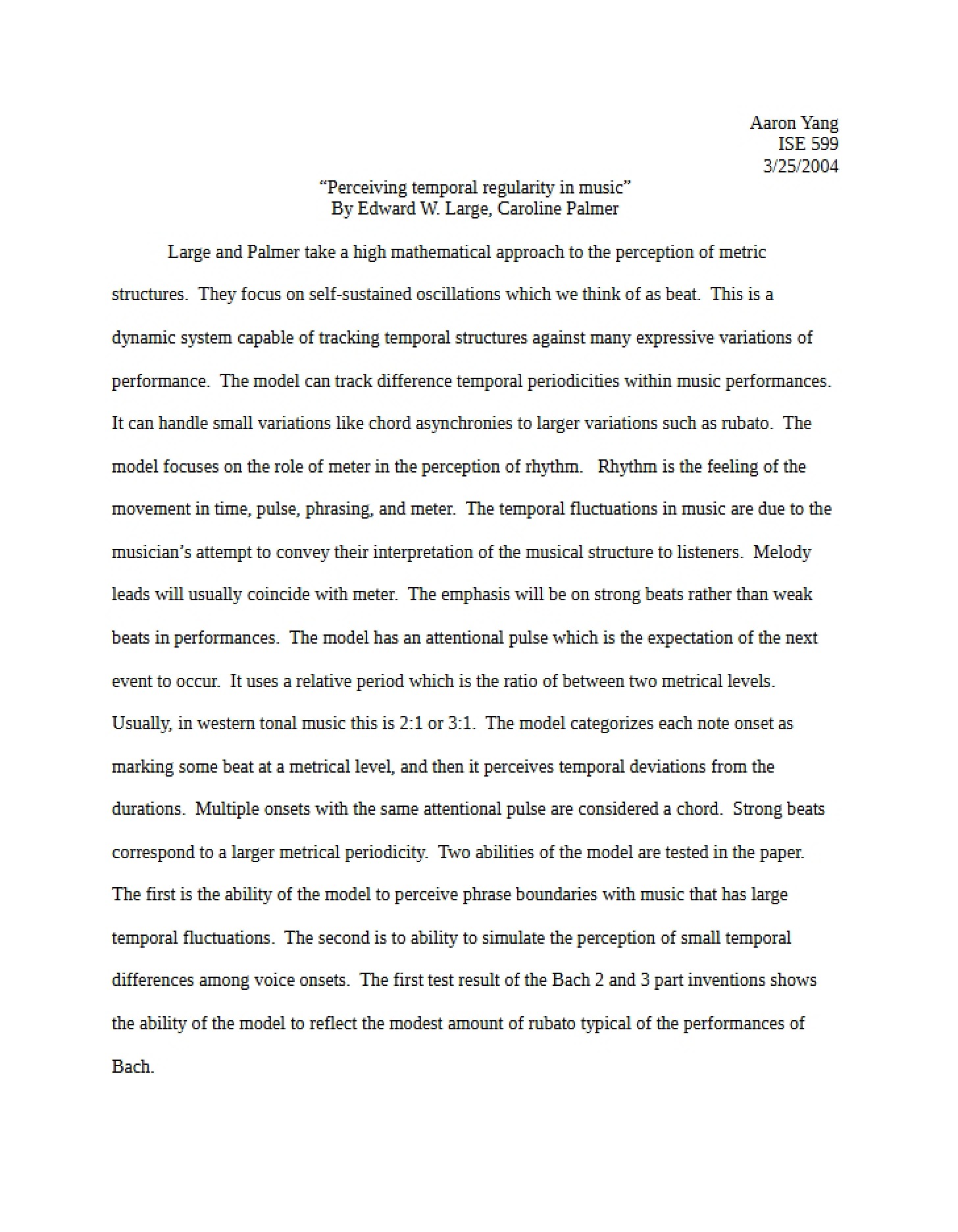
This is a critical analysis of a research paper exploring computational approaches to music analysis, specifically focusing on the automated discovery of musical patterns. It delves into a proposed system designed to identify motivic elements within musical scores without relying on traditional harmonic or stylistic analysis. The core of the discussion centers around a novel methodology attempting to model human perceptual processes in music recognition. It’s a deep dive into the theoretical underpinnings and practical implementation of this system, alongside a personal assessment of its strengths and weaknesses.
Why This Document Matters
Students and researchers in fields like Music Information Retrieval (MIR), computational musicology, and even cognitive science will find this analysis valuable. It’s particularly useful for those seeking to understand the challenges of automating music analysis and the complexities of modeling human musical perception. Individuals grappling with the intersection of computer science and music theory, or those interested in the limitations of current automated music analysis techniques, will benefit from this detailed examination. It’s ideal for supplementing core course readings or preparing for advanced research projects.
Common Limitations or Challenges
This analysis doesn’t offer a step-by-step guide to implementing the discussed system. It’s a critique and interpretation of existing work, not a tutorial. While it identifies areas where the proposed system struggles, it doesn’t present alternative solutions or a comprehensive overview of the broader landscape of music pattern discovery algorithms. The analysis is focused on a specific implementation within a particular programming environment and may not generalize easily to other contexts. It also doesn’t provide a foundational understanding of music theory or computational methods – prior knowledge is assumed.
What This Document Provides
* A detailed overview of a proposed system for automated motivic analysis.
* An examination of the theoretical framework grounding the system, including concepts related to perceptual heuristics and associative memory.
* A discussion of the implementation details and a specific case study involving a Bach prelude.
* A critical assessment of the system’s effectiveness, highlighting both its potential and its limitations.
* Insights into the challenges of distinguishing relevant from irrelevant patterns in automated music analysis.