What This Document Is
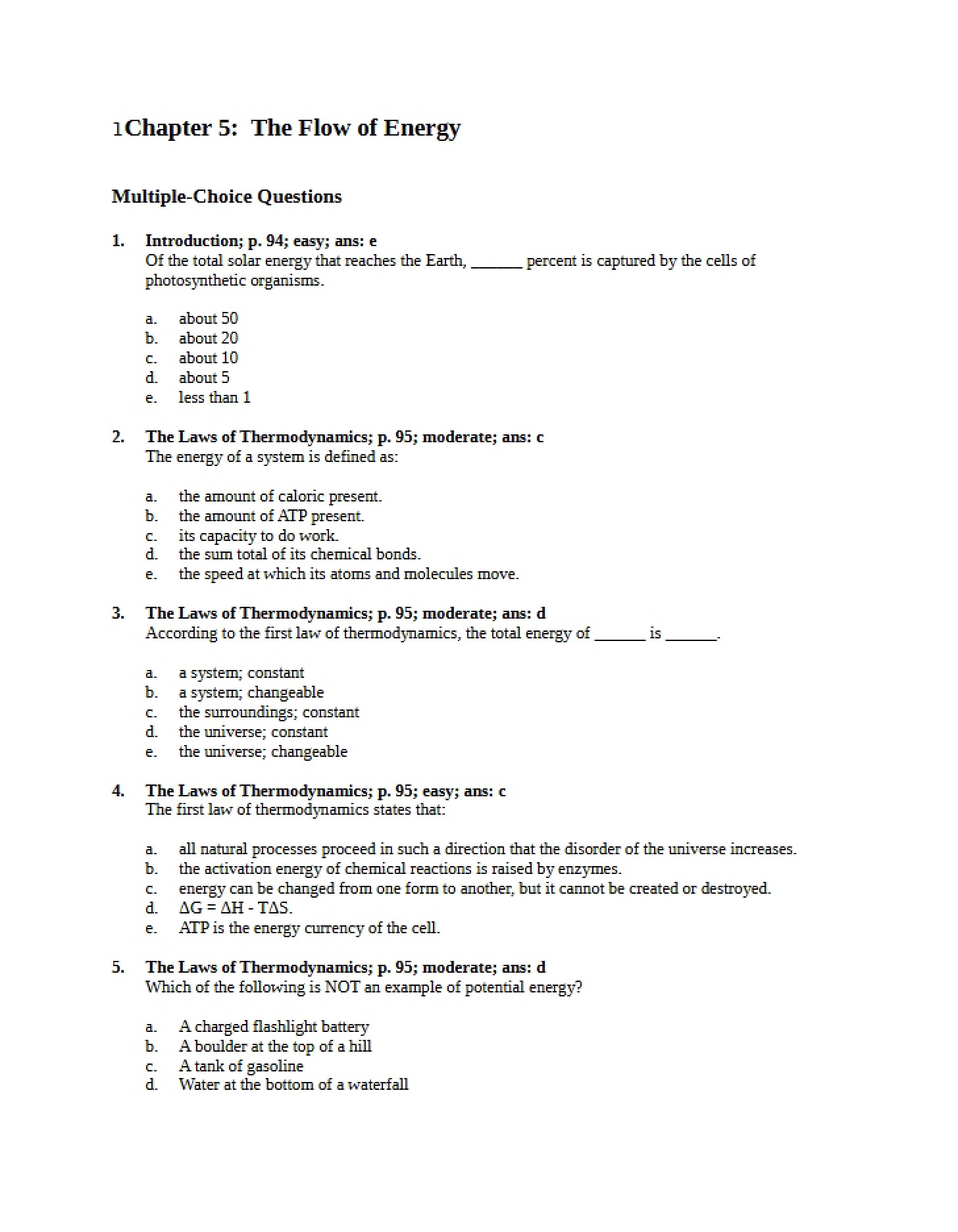
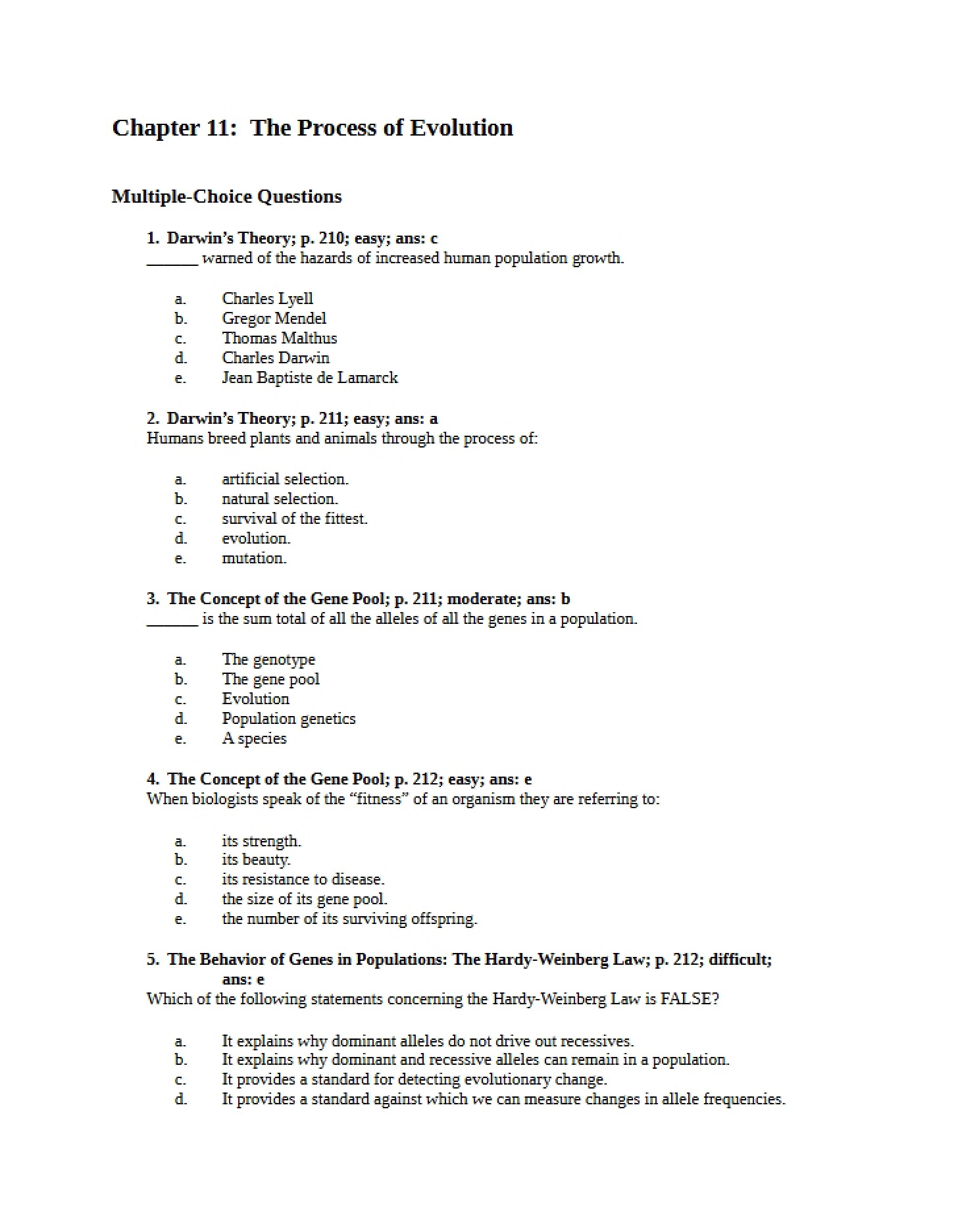
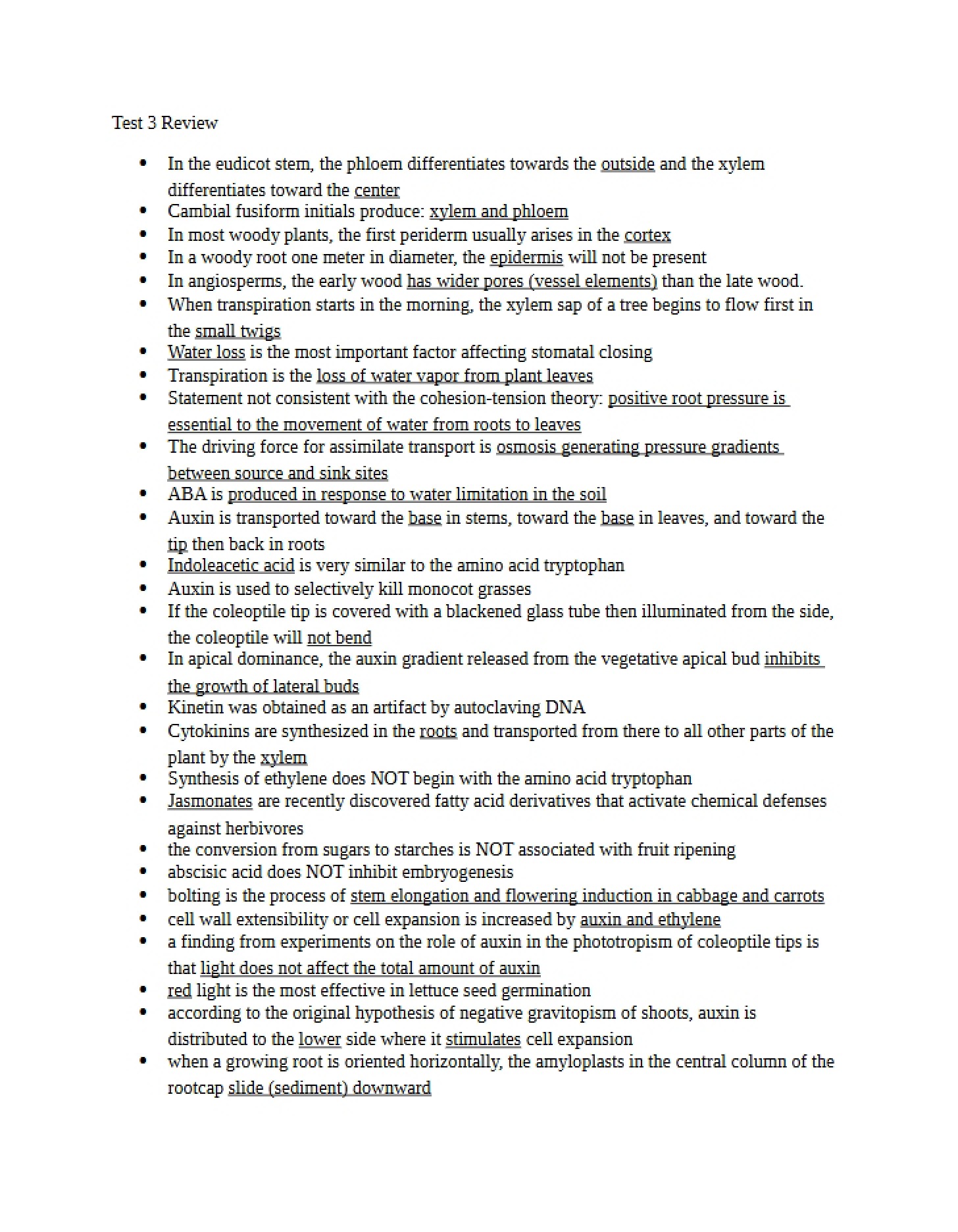
This document is a comprehensive practice test designed to assess your understanding of core principles in Plant Form & Function (BIOL 425) at the University of South Carolina. Specifically, it covers material likely addressed in Tests 1-3 of the course. The format mirrors typical exam questions, requiring you to apply your knowledge to various scenarios and concepts related to plant biology. It’s structured as a series of multiple-choice questions, testing recall and analytical skills.
Why This Document Matters
This resource is invaluable for students preparing for assessments in BIOL 425. It’s particularly useful for self-evaluation, identifying knowledge gaps, and reinforcing key concepts before a formal testing environment. Utilizing this practice test can help build confidence and improve performance by simulating the exam experience. It’s best used *after* completing assigned readings and attending lectures, as a way to solidify your understanding and pinpoint areas needing further review. Students who proactively engage with practice materials often demonstrate improved comprehension and exam scores.
Common Limitations or Challenges
This practice test is designed to *evaluate* your existing knowledge, not to *teach* you new material. It assumes you have already engaged with the course content through lectures, readings, and other assigned resources. While the questions cover a broad range of topics, it may not be exhaustive of *every* potential exam question. Furthermore, the test does not include detailed explanations or worked solutions – those are available through other course materials and instructor guidance.
What This Document Provides
* A substantial set of multiple-choice questions covering fundamental plant biology topics.
* Questions relating to cellular structures and functions within plants.
* Assessment of understanding regarding photosynthetic processes and related pigments.
* Evaluation of knowledge concerning plant metabolism and secondary metabolites.
* Questions focused on water potential, transport mechanisms, and cellular communication.
* Coverage of key concepts related to the endomembrane system and nucleic acids.
* Practice applying knowledge of enzyme function within plant cells.