What This Document Is
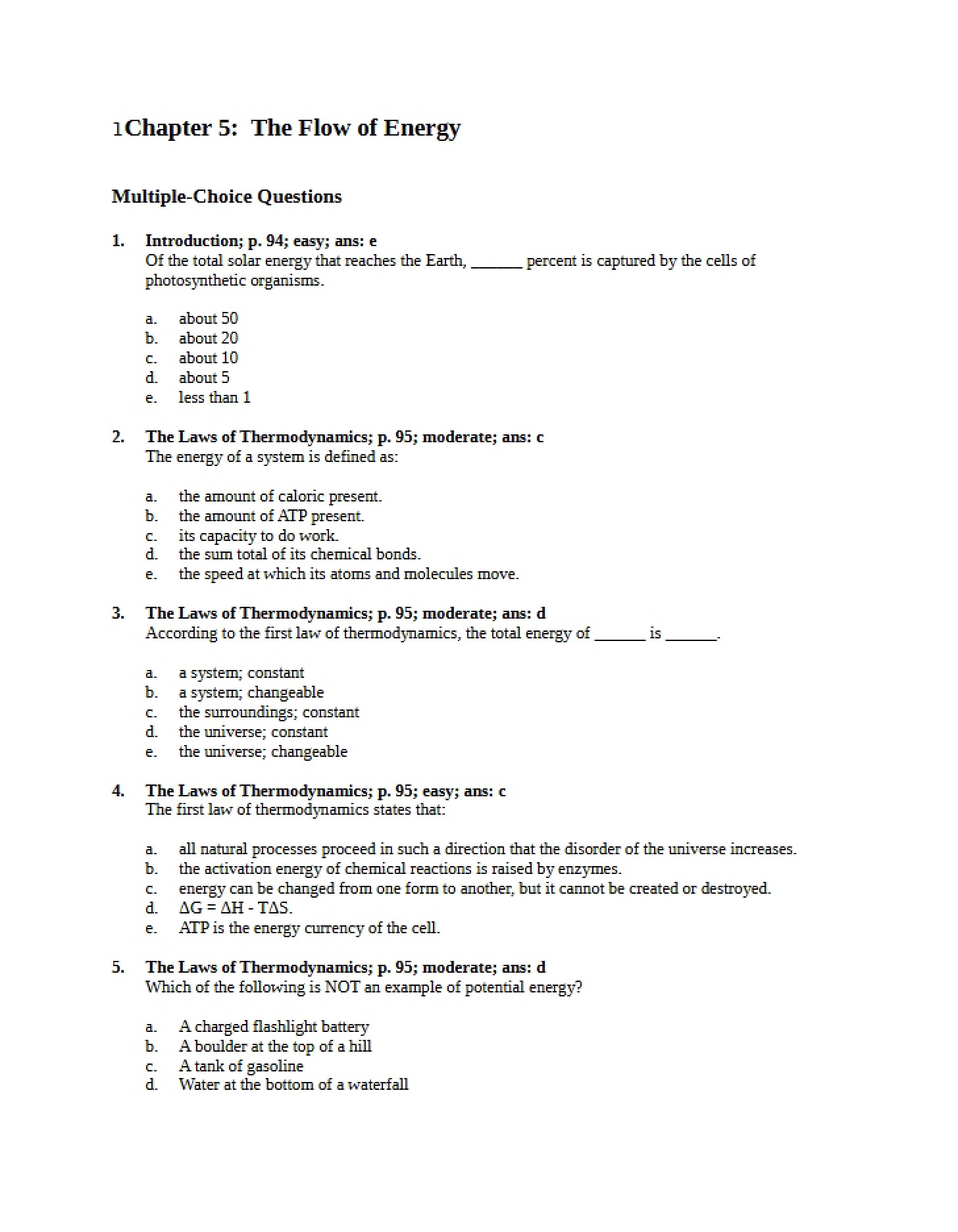
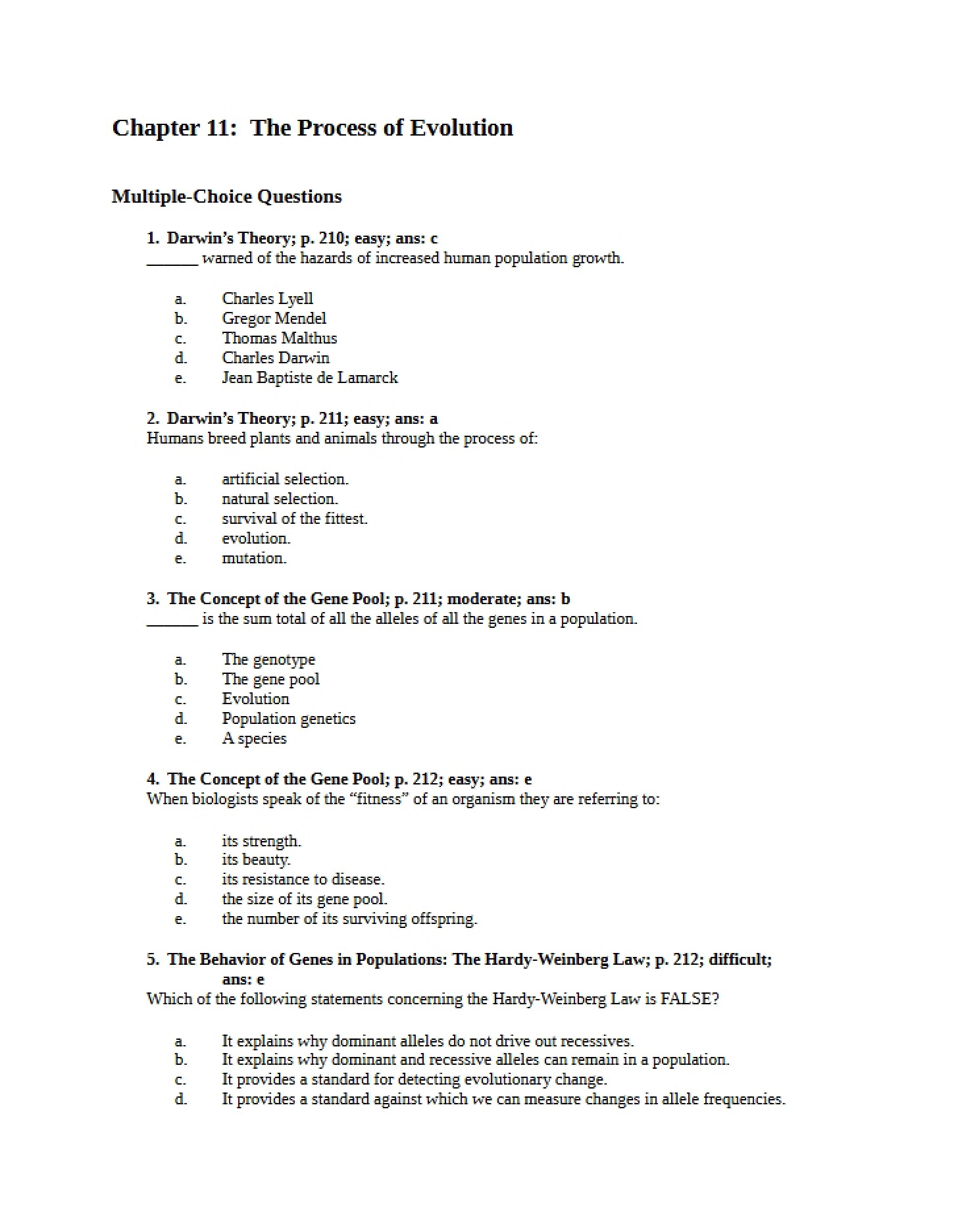
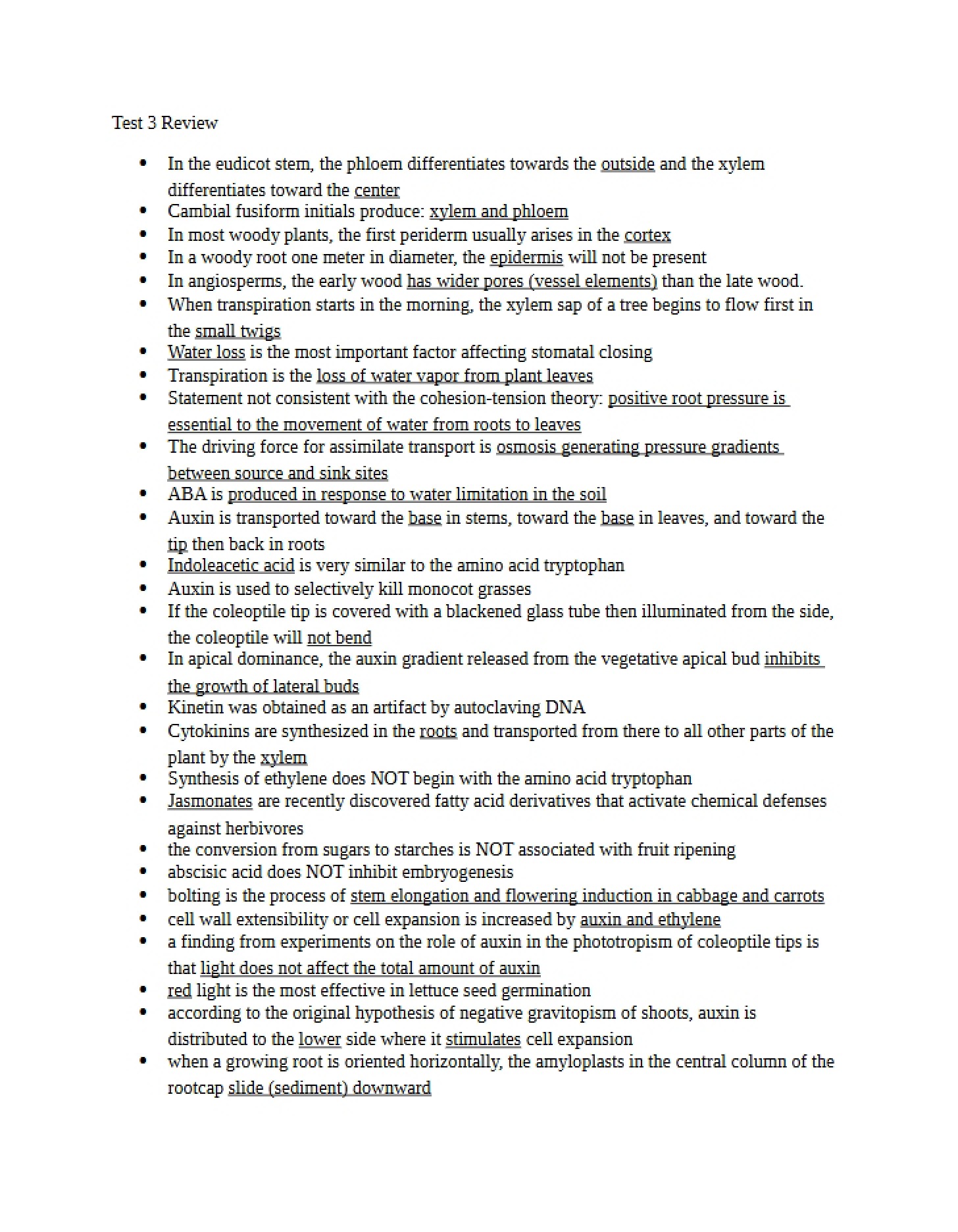
This document is a practice test designed to assess your understanding of core concepts within BIOL 425: Plant Form & Function at the University of South Carolina. It focuses on fundamental principles relating to plant genetics, molecular biology, and developmental biology, extending into plant anatomy and physiology. The questions are formatted to mirror those you might encounter on a formal assessment for the course.
Why This Document Matters
This resource is ideal for students currently enrolled in Plant Form & Function, or those reviewing these topics for related coursework. It’s particularly useful for self-evaluation *before* a high-stakes exam, helping you pinpoint areas where your knowledge is strong and where further study is needed. Utilizing this test under timed conditions can also help build exam-taking stamina and refine your approach to answering complex biological questions. It’s a valuable tool for solidifying your grasp of plant biology principles.
Common Limitations or Challenges
This practice test is designed to *evaluate* your knowledge, not to *teach* it. It assumes you have already engaged with the course materials – lectures, readings, and labs. It does not include detailed explanations for correct or incorrect answers; those are available through other course resources. This test also represents a specific sampling of potential exam questions and shouldn’t be considered a comprehensive representation of *all* possible topics.
What This Document Provides
* A series of questions covering plant heredity and genetics.
* Assessment of your understanding of DNA structure, function, and manipulation.
* Questions relating to plant biotechnology and genetic engineering.
* Evaluation of your knowledge of plant taxonomy and evolutionary relationships.
* Questions focused on plant development, including embryogenesis and tissue systems.
* Assessment of your understanding of plant anatomy, including root and shoot structures.
* Questions relating to plant physiological processes and environmental interactions.