What This Document Is
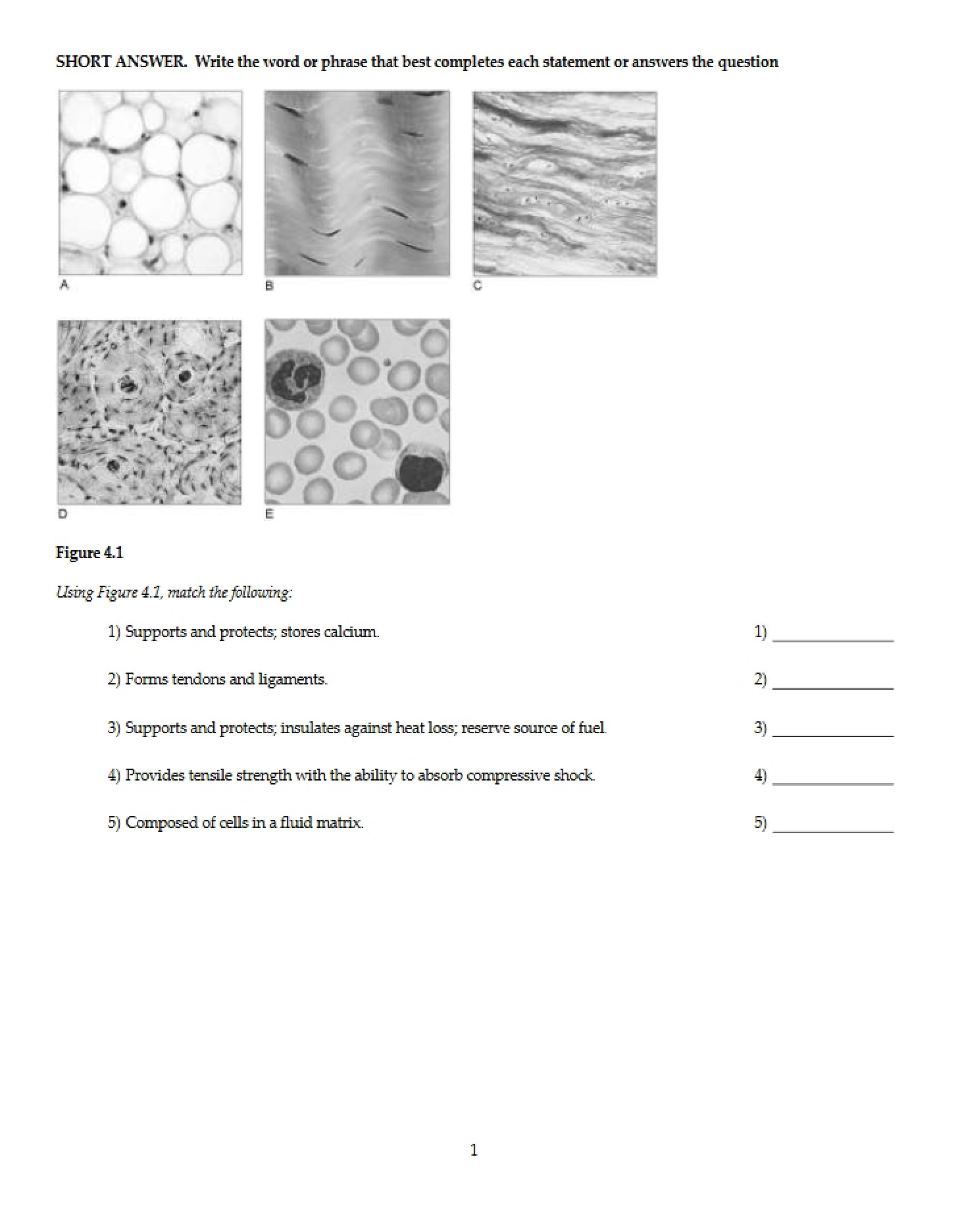
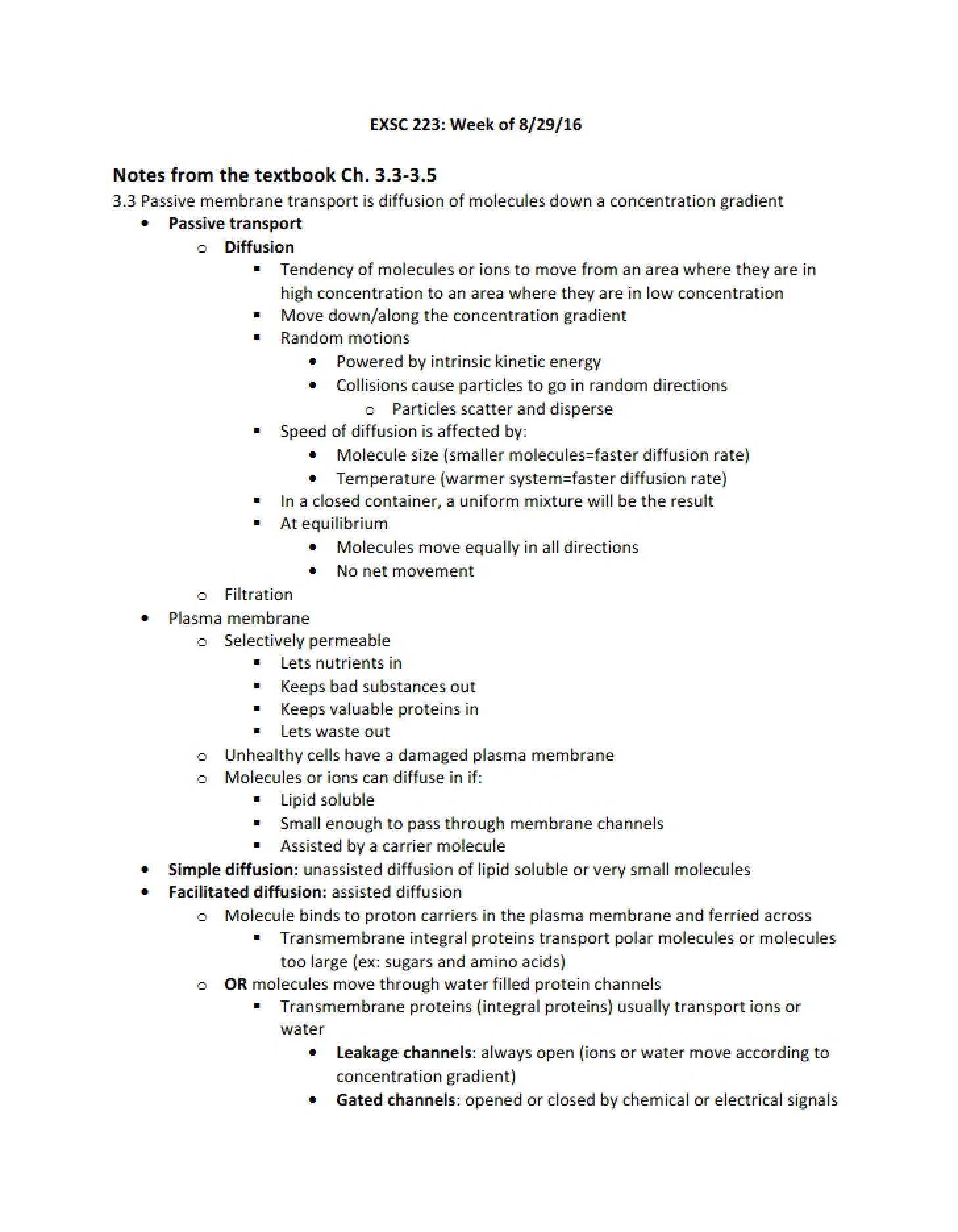
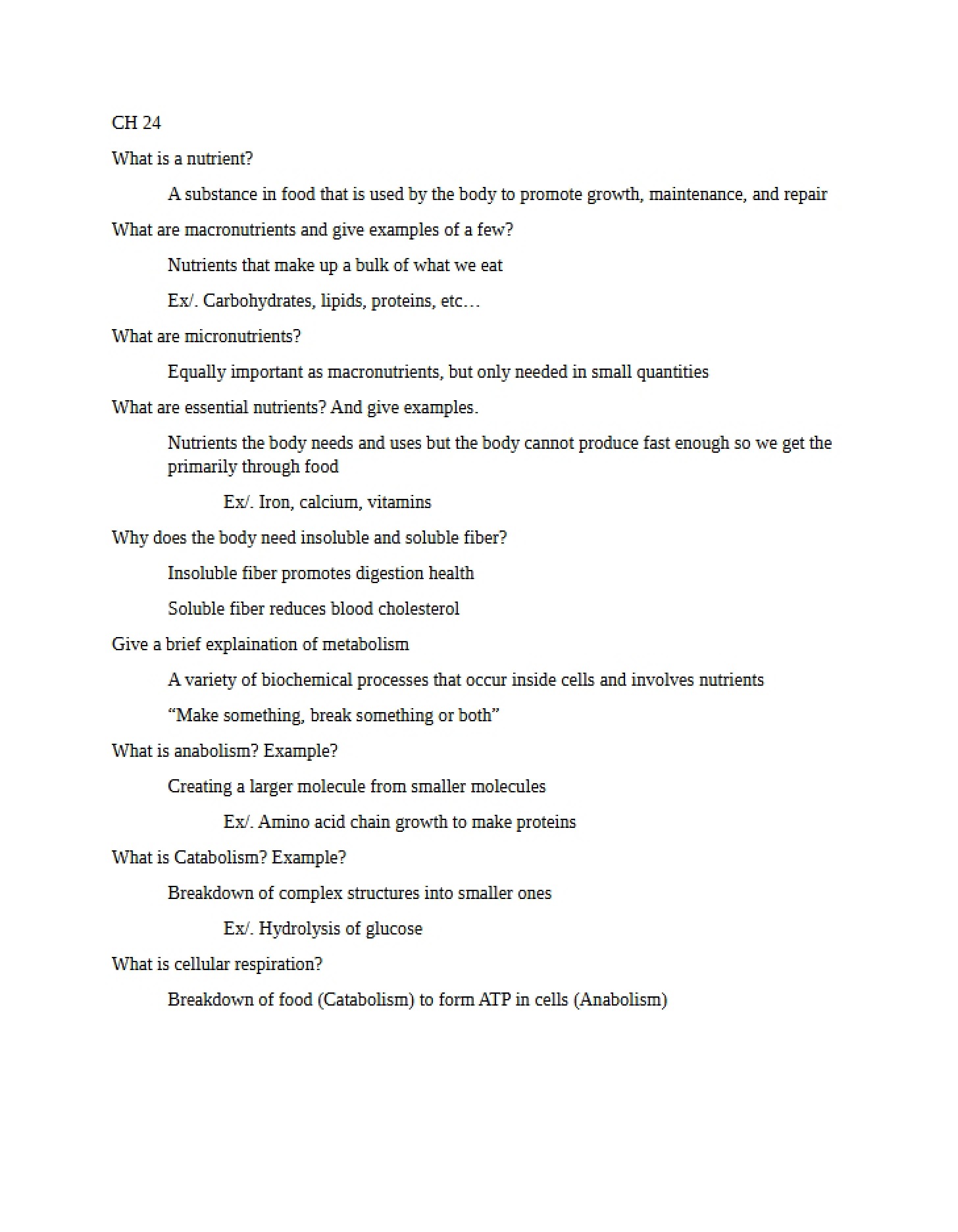
This study guide focuses on foundational concepts within Anatomy & Physiology I, specifically exploring the diverse world of tissues – the building blocks of the human body. It delves into the classifications, characteristics, and broad functions of the four primary tissue types: nervous, muscle, epithelial, and connective. This resource is tailored for students in EXSC 223 at the University of South Carolina, designed to complement coursework and enhance understanding of core anatomical principles.
Why This Document Matters
If you’re enrolled in Anatomy & Physiology I and striving for a comprehensive grasp of how the body is organized, this guide will be invaluable. It’s particularly helpful when preparing for assessments, reviewing lecture material, or seeking a consolidated resource to reinforce your learning. Students who benefit most will be those looking to build a strong foundation in tissue structure and function, as this knowledge is crucial for understanding organ systems and overall physiological processes. It’s best used *in conjunction* with your textbook and class notes.
Common Limitations or Challenges
This guide provides a focused overview of tissue types and their general properties. It does *not* include detailed histological images, clinical correlations, or in-depth explorations of specific diseases related to tissue dysfunction. It also doesn’t replace the need for active learning, such as attending lectures, participating in labs, and completing assigned readings. The material is presented as a study aid, and assumes a base level of understanding from course materials.
What This Document Provides
* A categorized breakdown of the four primary tissue types.
* Overviews of the key functions associated with each tissue class.
* Discussions of the common properties found within connective tissues.
* Descriptions of the components that make up the extracellular matrix.
* Categorization of different types of connective tissue proper (loose and dense).
* An introduction to specialized connective tissues like cartilage.
* Identification of the major cell types found within various tissues.