What This Document Is
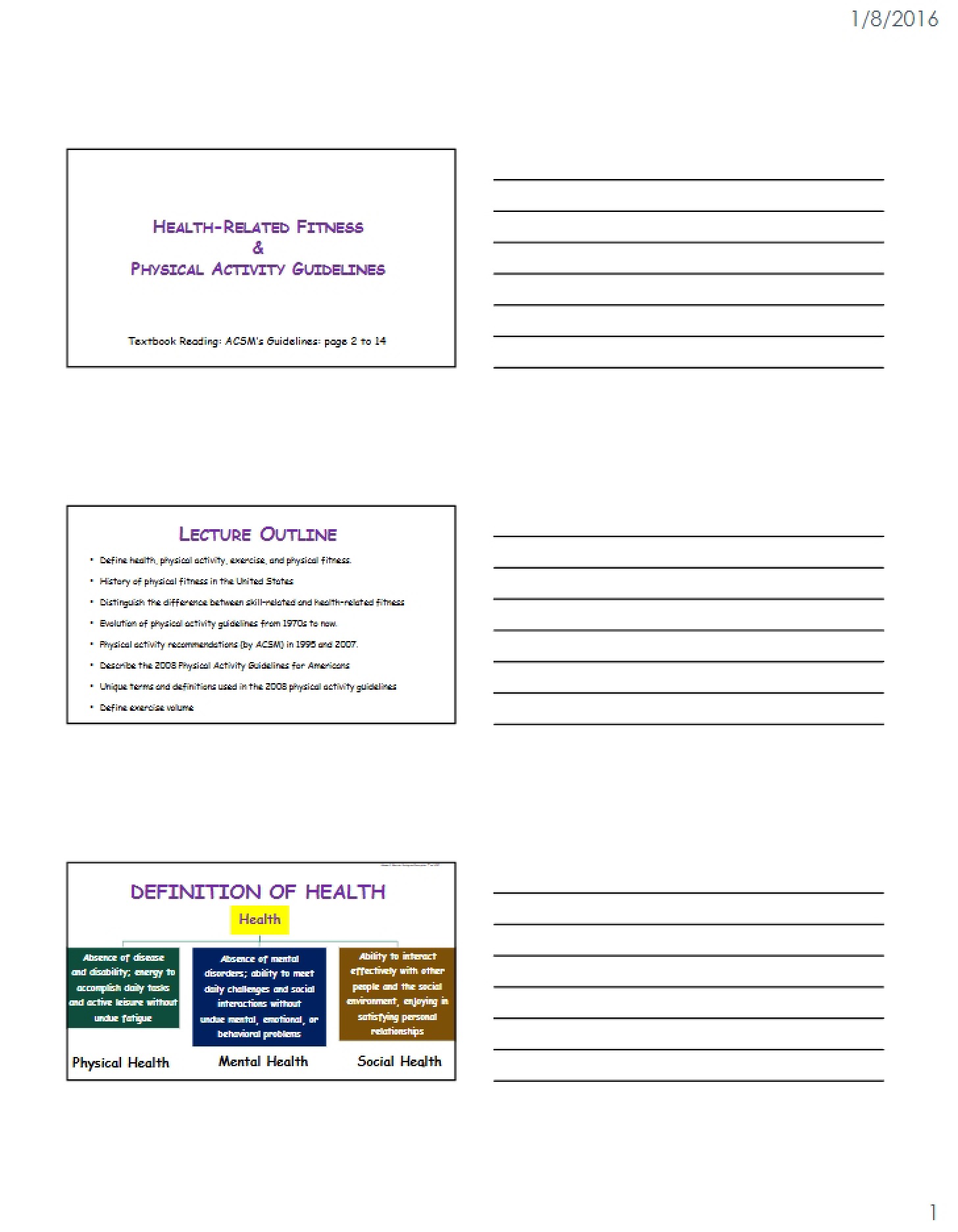
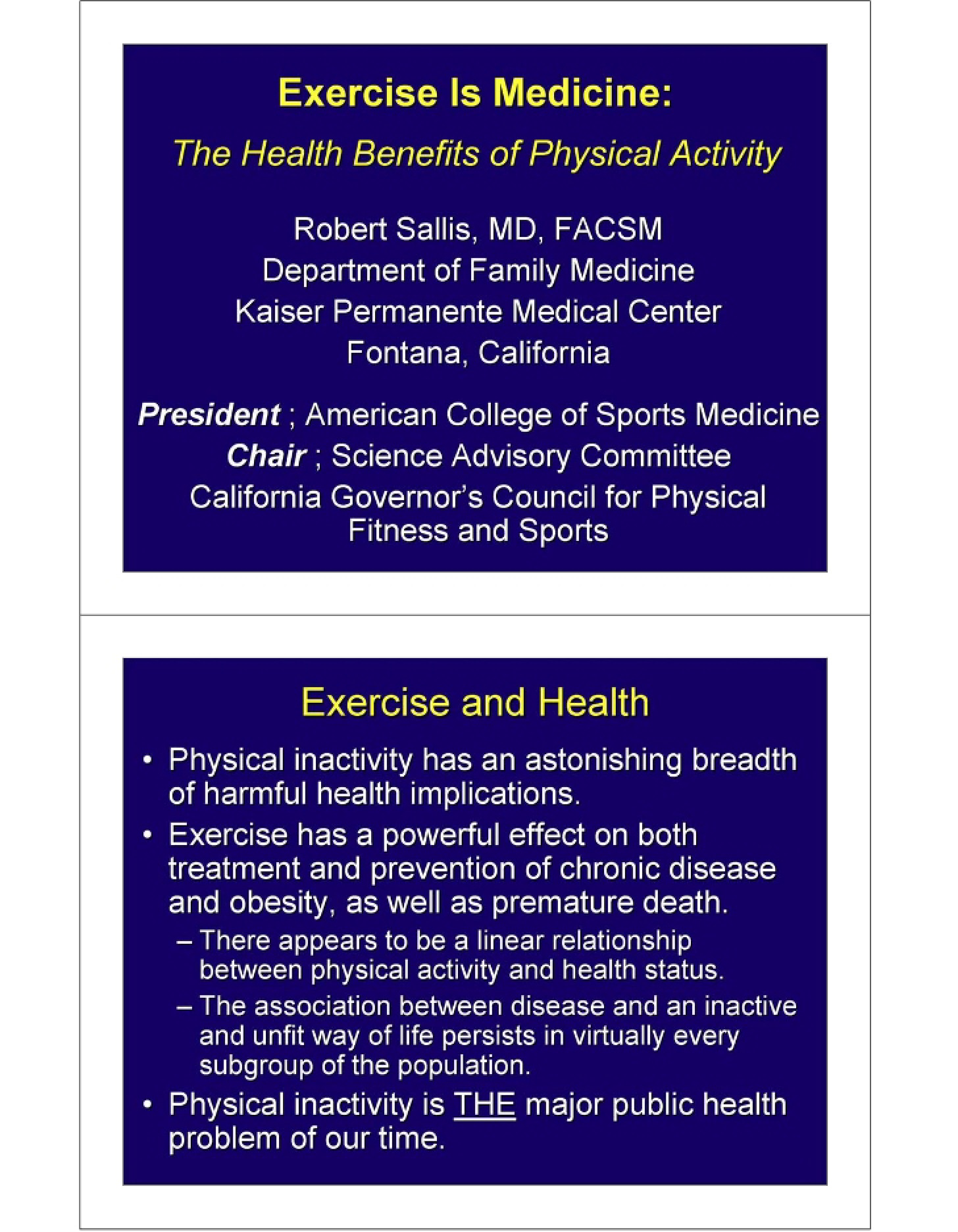
This document represents the lecture materials from the third session of an advanced Clinical Exercise Physiology course (EXSC 531) at the University of South Carolina. It delves into the crucial relationship between physical activity and overall health, building upon foundational knowledge of exercise science. The core focus is on understanding the breadth of health benefits associated with regular physical activity, alongside a critical examination of potential risks and how to mitigate them. It references guidelines from ACSM (American College of Sports Medicine) as a key resource.
Why This Document Matters
This material is essential for students pursuing careers in exercise physiology, kinesiology, and related health professions. It’s particularly valuable for those aiming to work in clinical settings, cardiac rehabilitation, or wellness programs. Understanding the nuanced impact of exercise on chronic disease prevention and management is paramount. This session will prepare you to critically evaluate research and apply evidence-based recommendations to diverse populations. It’s best reviewed *before* and *after* related readings to solidify comprehension.
Common Limitations or Challenges
This lecture session provides a detailed overview of concepts, but it does not offer personalized exercise prescriptions or detailed protocols for specific conditions. It’s a foundational resource, and further study will be required to apply these principles in practical scenarios. The material focuses on research findings and guidelines; it does not substitute for clinical experience or professional judgment. It also assumes a pre-existing understanding of basic physiological principles.
What This Document Provides
* An exploration of the link between physical activity levels and mortality rates.
* A discussion of the differences between physical fitness and body composition in relation to health outcomes.
* An overview of potential adverse events associated with exercise and how to address them.
* A categorization of health benefits linked to regular physical activity, differentiating levels of supporting evidence.
* An introduction to the concept of a dose-response relationship in the context of exercise and health.
* Consideration of how factors like age, race, and body weight influence the benefits of physical activity.