What This Document Is
This is a comprehensive set of instructional notes covering transaction management within the context of database systems. Designed for students learning about the core principles of how databases handle data modifications and maintain integrity, it delves into the mechanisms that ensure reliable data processing. It’s geared towards a university-level course, specifically referencing materials from commonly used database textbooks.
Why This Document Matters
These notes are invaluable for any student grappling with the complexities of database systems. If you’re finding it challenging to understand how databases handle concurrent access, recover from failures, or guarantee data consistency, this resource will be particularly helpful. It’s ideal for reinforcing lectures, preparing for assignments, and building a solid foundation for more advanced database concepts. Understanding transaction management is crucial for anyone pursuing a career in database administration, software development, or data science.
Topics Covered
* The fundamental motivation behind transaction processing, including crash recovery and concurrency control.
* The core “ACID” properties of transactions: Atomicity, Consistency, Isolation, and Durability.
* Methods for declaring transactions using SQL commands like COMMIT and ROLLBACK.
* The concept of autocommit mode and its implications for transaction behavior.
* Serializability and the importance of “good” execution schedules for concurrent transactions.
* Concurrency control mechanisms and their role in enforcing desired execution orders.
What This Document Provides
* A detailed exploration of the challenges addressed by transaction management.
* An overview of the theoretical underpinnings of transaction properties.
* An examination of how transaction behavior can be controlled within a SQL environment.
* A framework for understanding the relationship between transaction execution and data consistency.
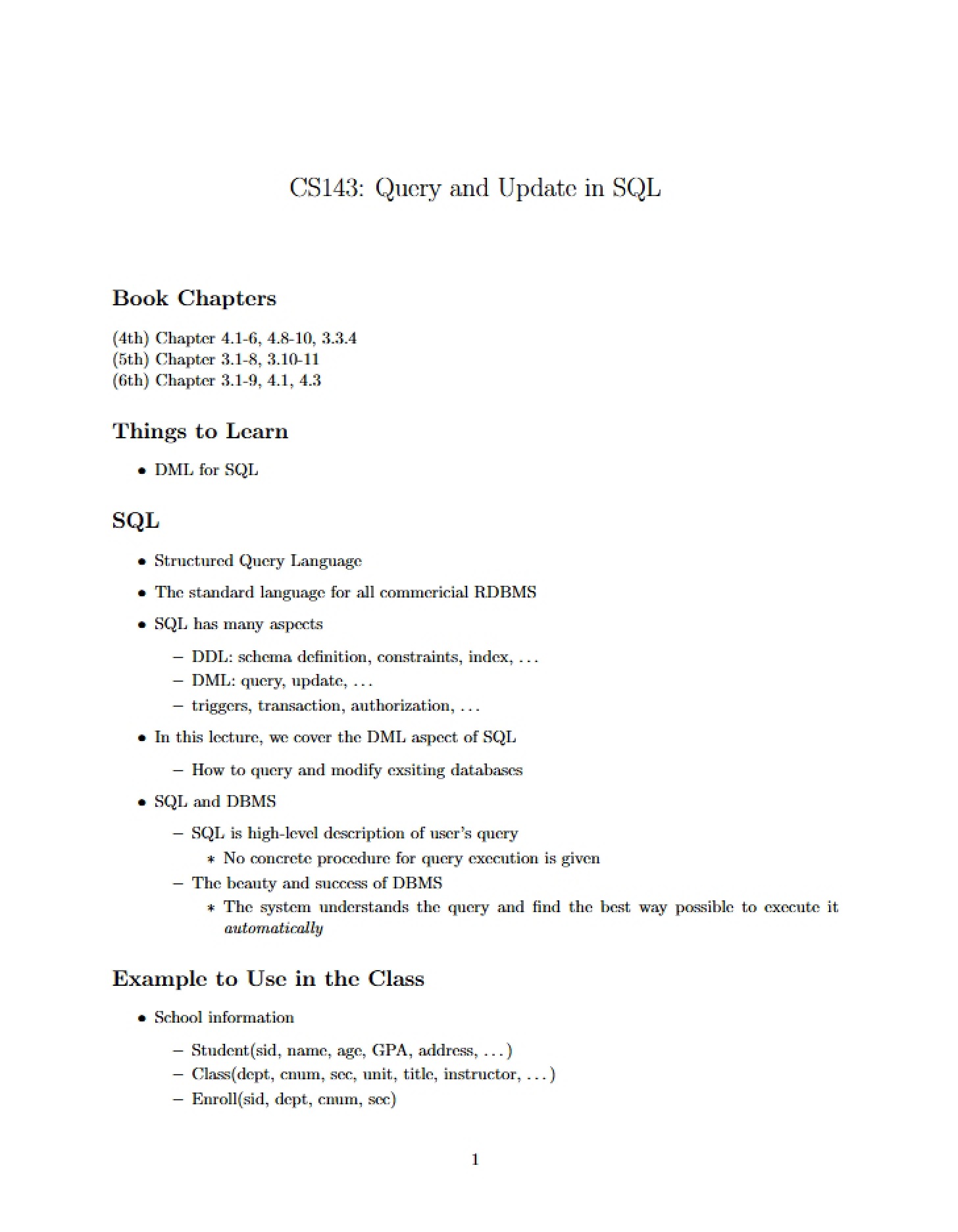
* References to specific chapters in popular database systems textbooks (4th, 5th, and 6th editions).