What This Document Is
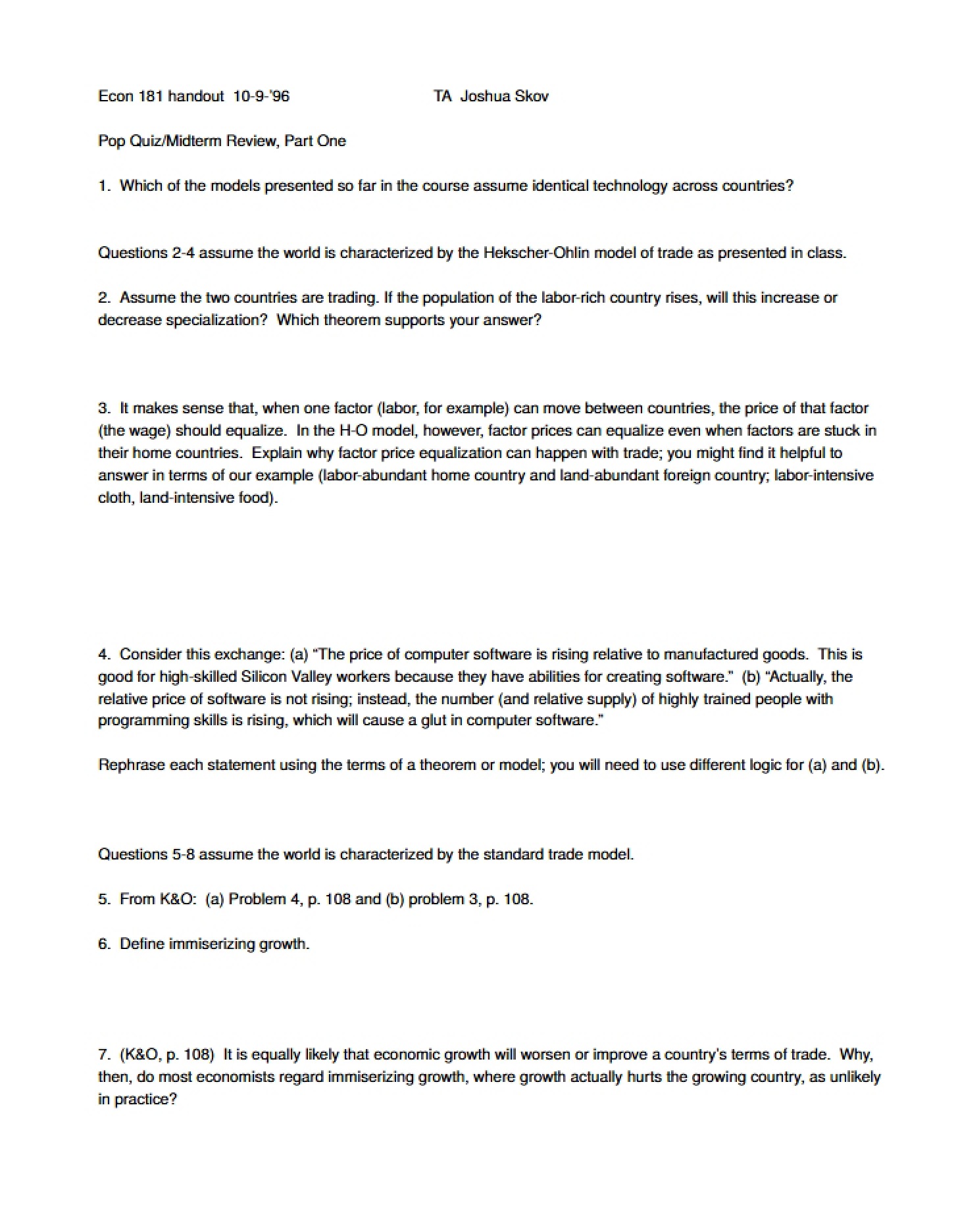
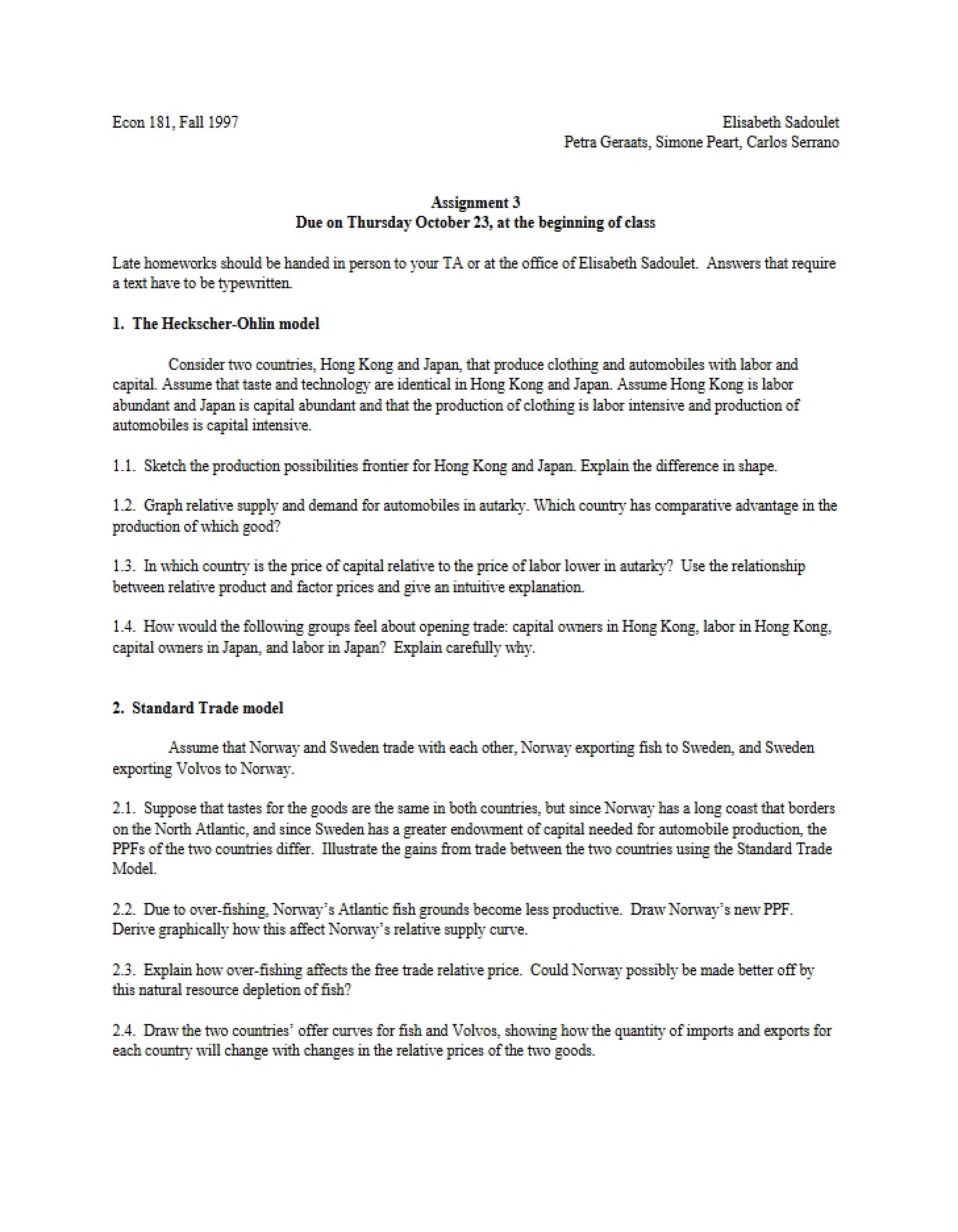
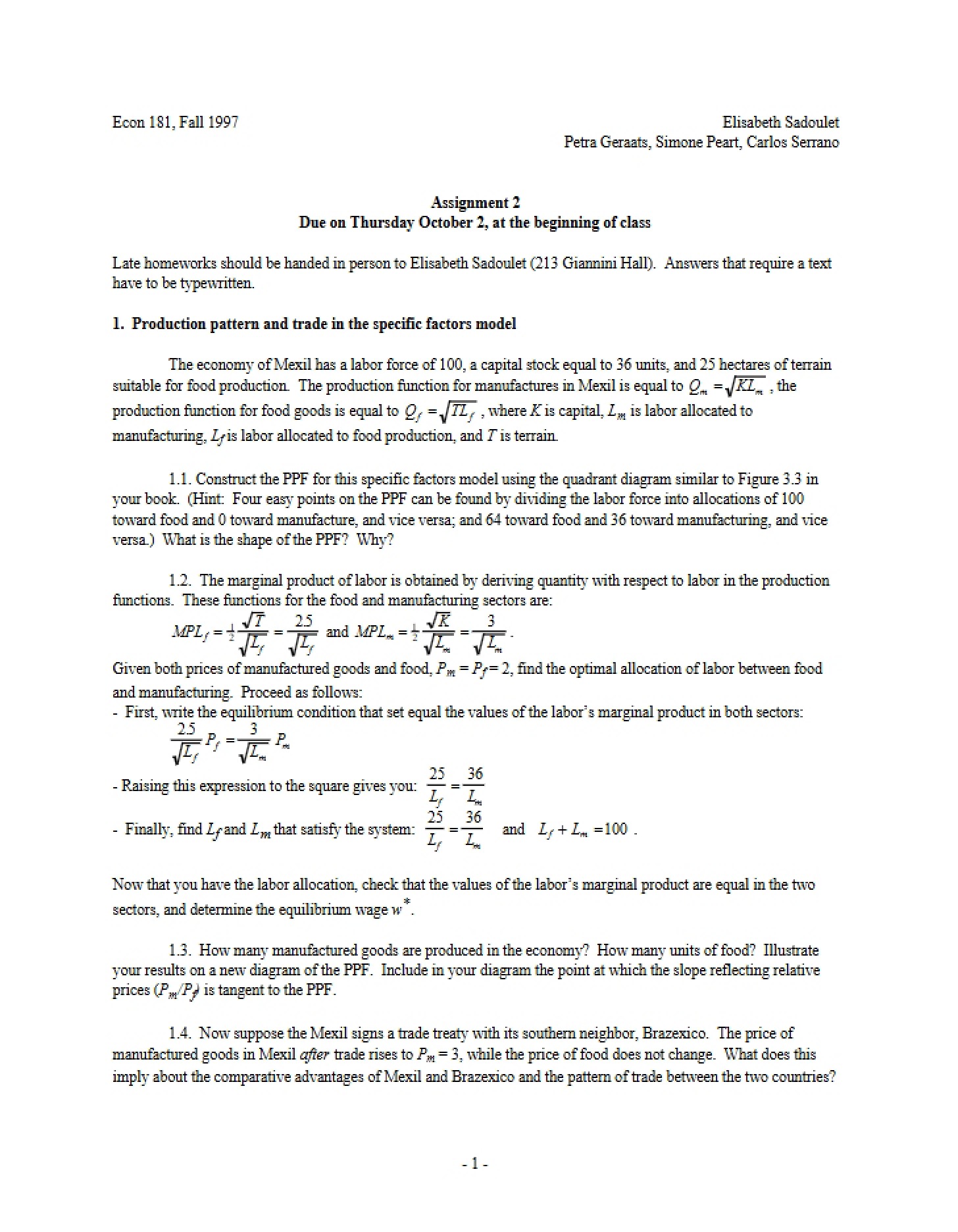
This is a problem set designed for students enrolled in an advanced undergraduate Monetary Policy course (ECON 181) at the University of California, Berkeley. It focuses on the application of economic theory – specifically the theory of comparative advantage – to analyze real-world international trade patterns of the United States. The assignment requires students to engage with trade data and theoretical models to understand the complexities of global commerce.
Why This Document Matters
This assignment is ideal for students seeking to solidify their understanding of international trade principles. It’s particularly valuable for those preparing for more advanced coursework in international economics or considering careers in fields like international finance, trade policy, or economic analysis. Working through these problems will enhance your ability to interpret trade statistics and apply economic models to current events. It’s best utilized as a focused study exercise after initial lectures and readings on comparative advantage and trade theory.
Topics Covered
* Analysis of US trade composition by country and end-use category
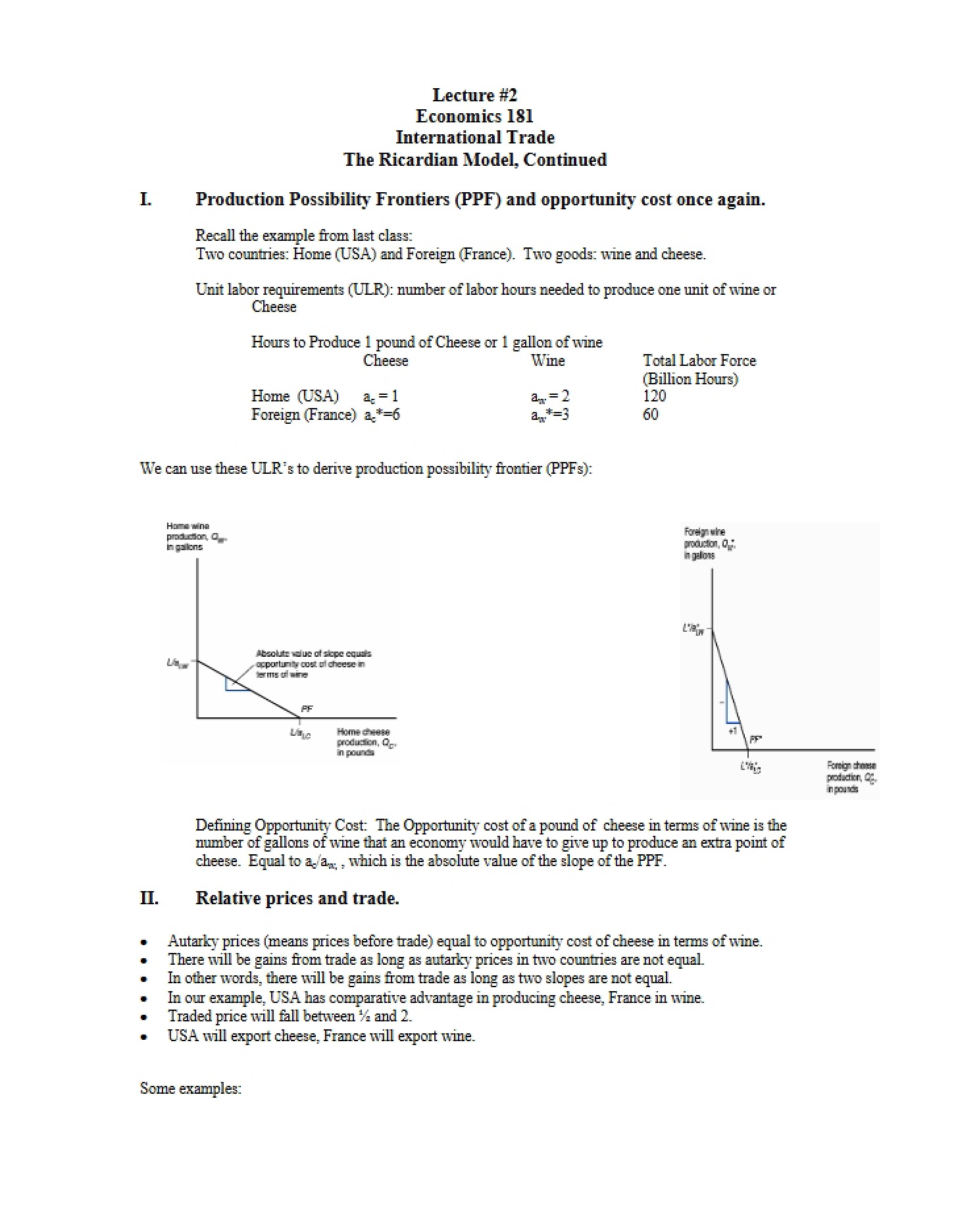
* Ricardian trade models and opportunity costs
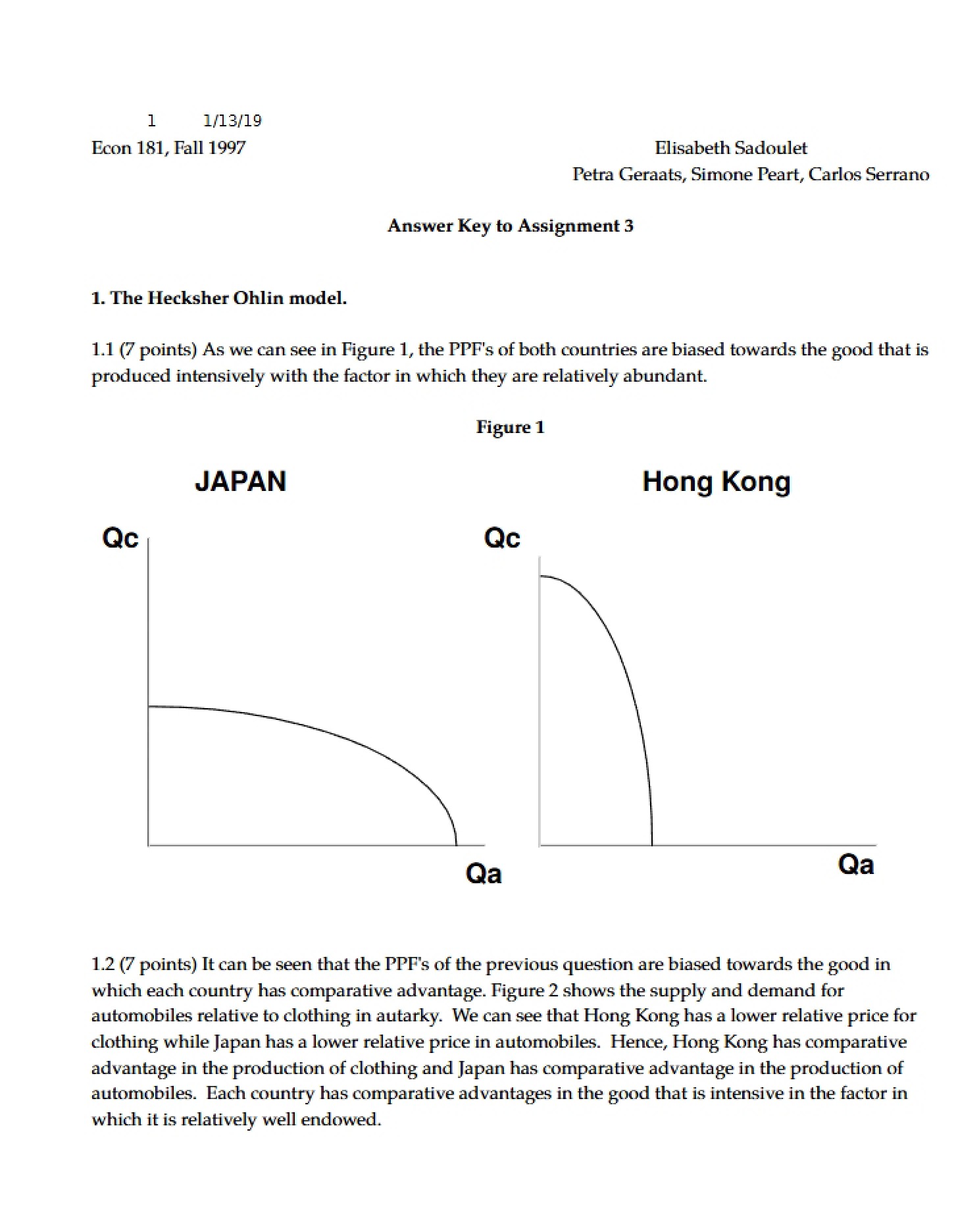
* Production possibility frontiers in autarky and with trade
* Determination of equilibrium relative prices in international markets
* Impact of labor productivity and wages on trade patterns
* Comparative advantage between countries with differing levels of efficiency
* Trade implications of wage differentials
* Analysis of trade dynamics between developed and developing nations
What This Document Provides
* A series of analytical questions designed to test understanding of trade theory.
* Reference to real-world data sources, such as the Survey of Current Business.
* A framework for applying theoretical models to understand US trade imbalances.
* A scenario-based approach to analyzing the effects of labor productivity and wages on trade flows.
* A connection to contemporary economic journalism, referencing an article from *The Economist*.
* Exercises involving the construction and interpretation of economic curves and graphs.