What This Document Is
This resource is a foundational exploration of variables within the realm of computer science. Designed for students in an introductory course, it lays the groundwork for understanding how data is managed and utilized in programming. It delves into the core concepts necessary for representing and manipulating information within a computational system, moving beyond simple numerical addresses in memory.
Why This Document Matters
This material is essential for anyone beginning their journey in programming. It’s particularly beneficial for students enrolled in a Concepts in Computer Science course, like COP 2500C at the University of Central Florida, who need a solid understanding of variables before progressing to more complex topics. Reviewing this information will be helpful when you start writing your own programs and need to effectively store and retrieve data. It’s best used as a preparatory resource before tackling coding assignments or more advanced concepts.
Topics Covered
* The fundamental role of variables in relation to computer memory
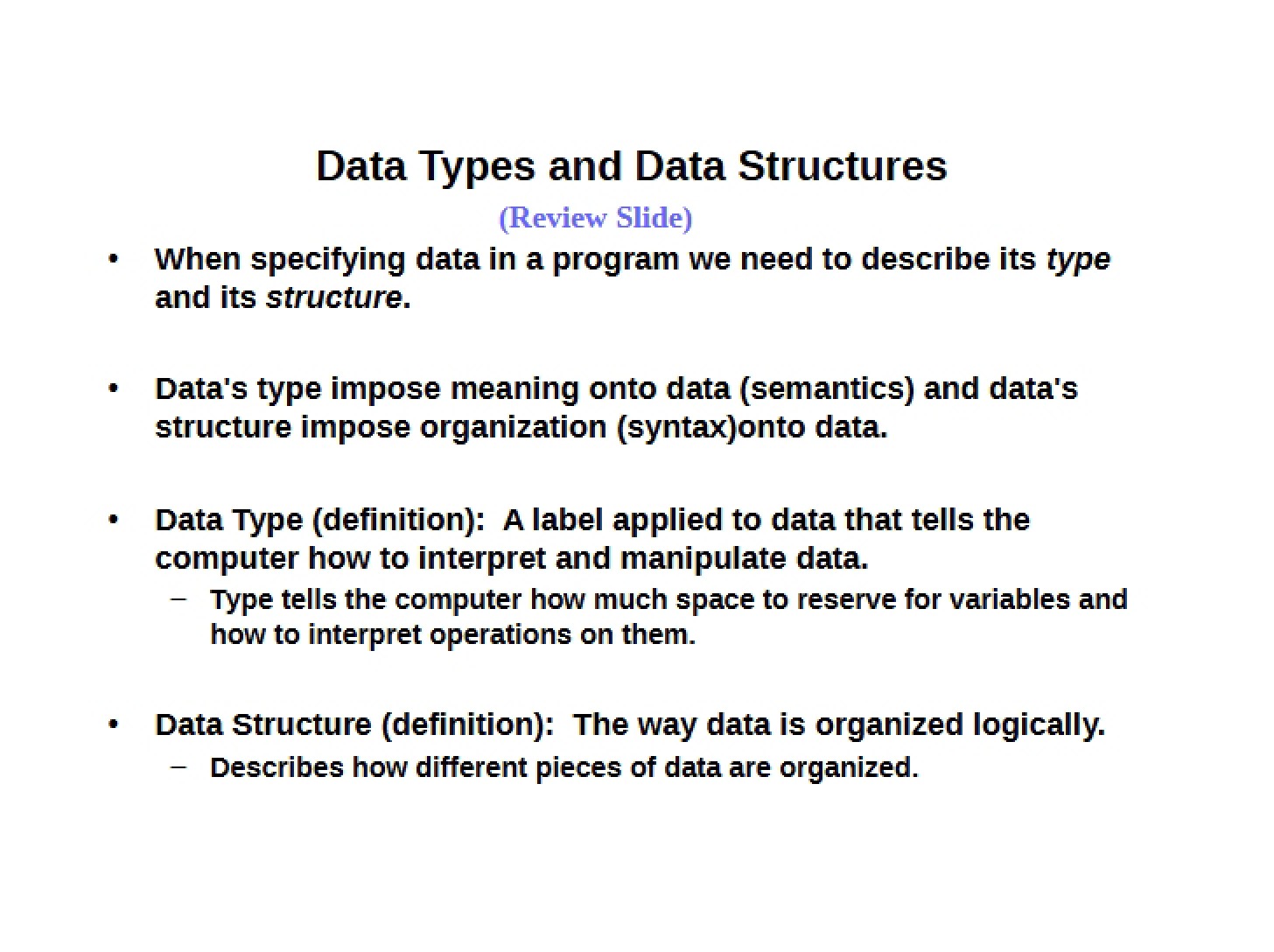
* The importance of data types and structures in programming
* Distinctions between different classifications of data
* The concept of data typing in programming languages
* How data types influence the interpretation and manipulation of data
* The relationship between data types and associated operations
What This Document Provides
* A clear explanation of how variables connect to memory locations.
* Definitions of key terminology related to data handling.
* An overview of the characteristics that define different data types.
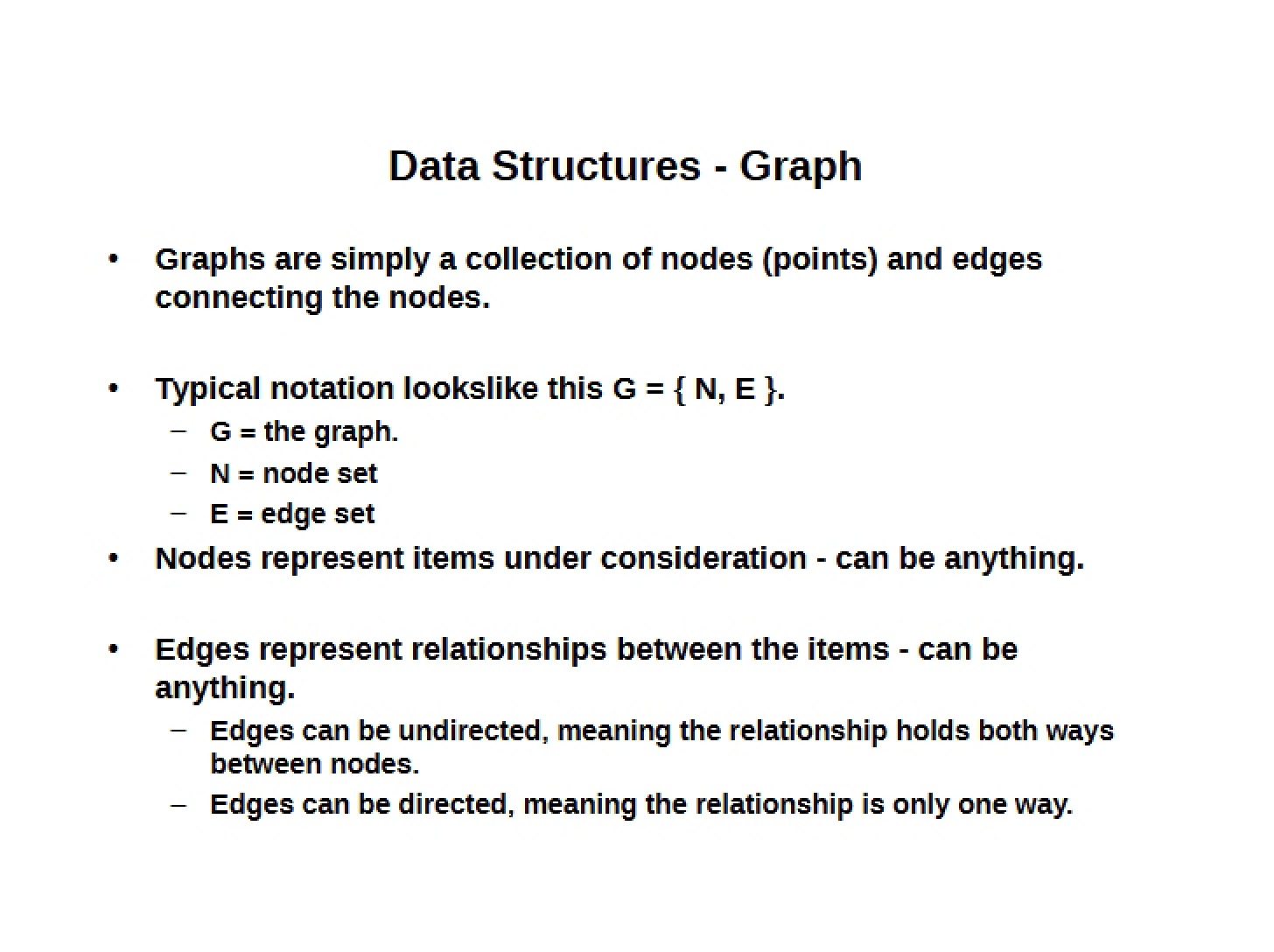
* A discussion of the significance of data structure in organizing information.
* A comparative look at typed and untyped programming languages.
* A foundation for understanding how computers interpret and process data.