What This Document Is
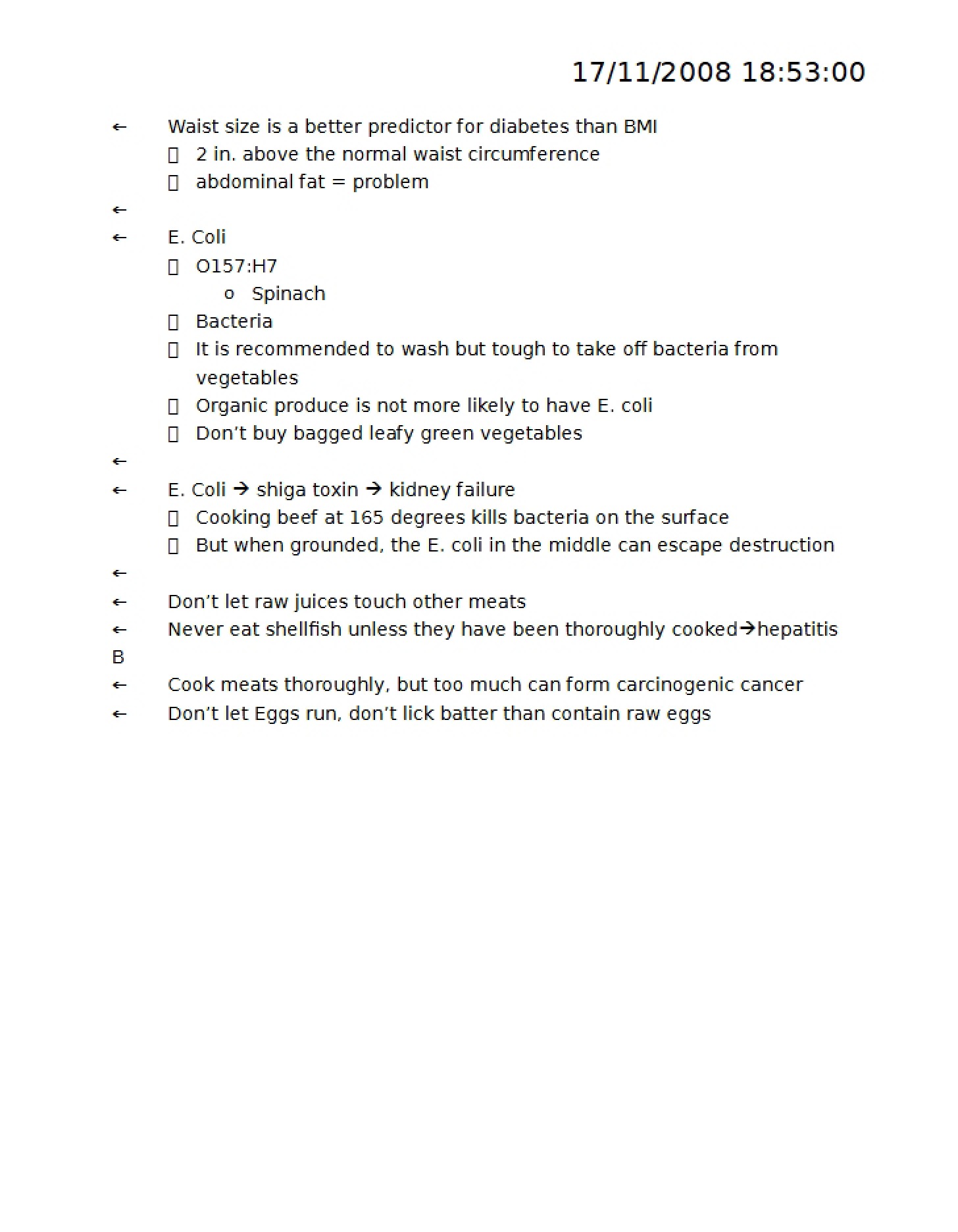
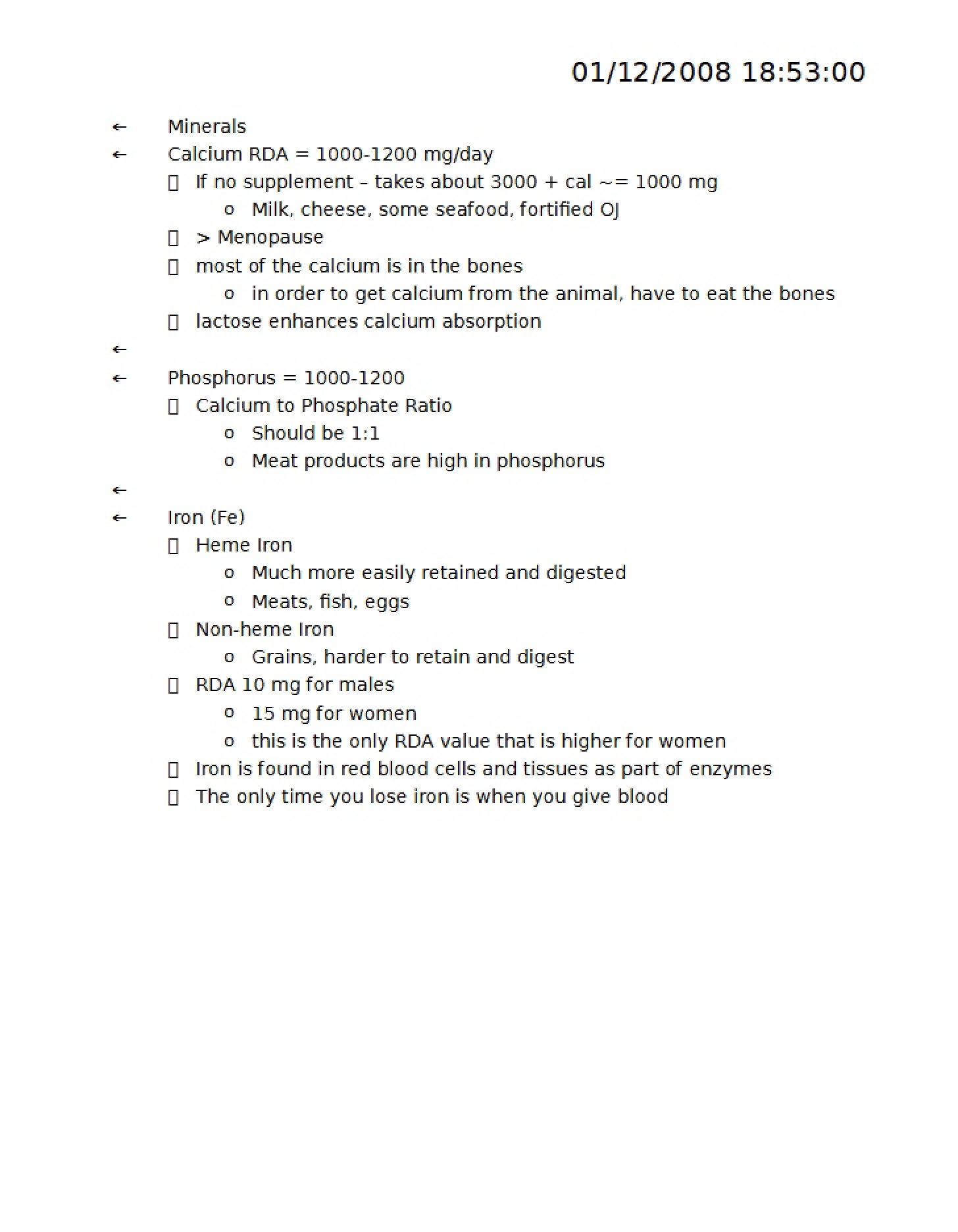
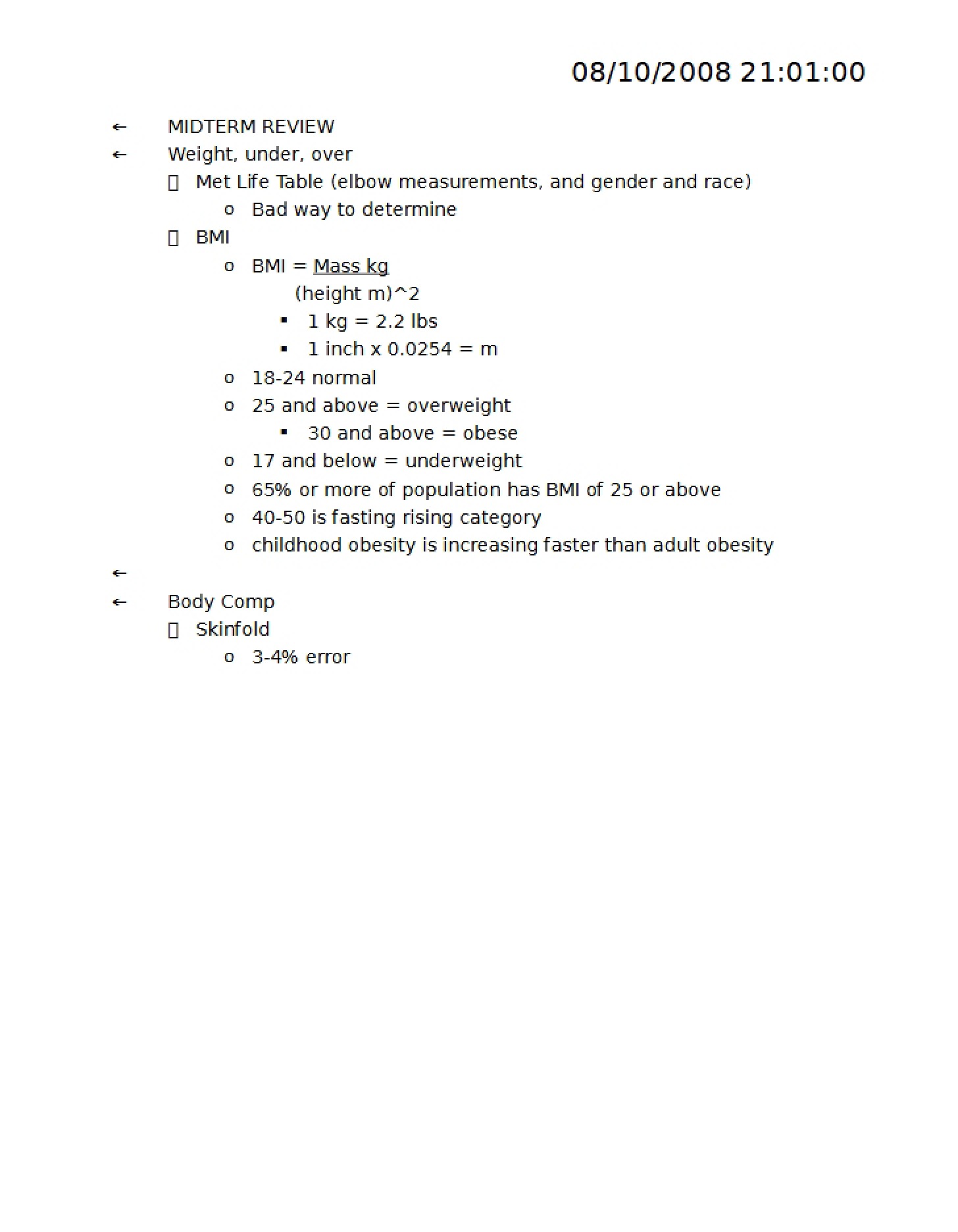
These lecture notes from EXSC 202L at the University of Southern California delve into the complex relationship between nutrition, food safety, and human health. The material covers a broad range of topics, from macronutrient composition in common food sources to potential health risks associated with various cooking methods and food additives. It explores dietary patterns and their correlation with disease prevalence, offering a detailed look at the impact of food choices on well-being. The notes appear to be from a lecture delivered on or around October 11, 2008.
Why This Document Matters
This resource is ideal for students in Principles of Nutrition and Exercise seeking a comprehensive understanding of the biochemical and physiological effects of different foods and cooking techniques. It’s particularly useful when studying for exams, completing assignments that require detailed nutritional analysis, or preparing for discussions on public health and dietary guidelines. Individuals interested in optimizing their own diets and understanding the science behind food safety recommendations will also find this material valuable. Access to these notes will help solidify core concepts presented in the course.
Common Limitations or Challenges
These notes represent a single lecture’s content and should be viewed as a supplement to, not a replacement for, textbook readings, lab work, and broader course discussions. The notes do not provide personalized dietary advice or detailed experimental data. They offer a snapshot of information presented at a specific point in the semester and may not encompass the entirety of the course material. Furthermore, scientific understanding evolves, so some information may have been updated since the lecture date.
What This Document Provides
* An overview of protein content in various food sources.
* Discussion of the impact of dietary choices on chronic disease risk.
* Examination of the safety and potential health effects of food additives.
* Analysis of how cooking methods can influence the formation of potentially harmful compounds.
* Information regarding food allergies and adverse reactions.
* Consideration of the role of dietary factors in cancer prevention.
* Exploration of the connection between portion size and food intake.