What This Document Is
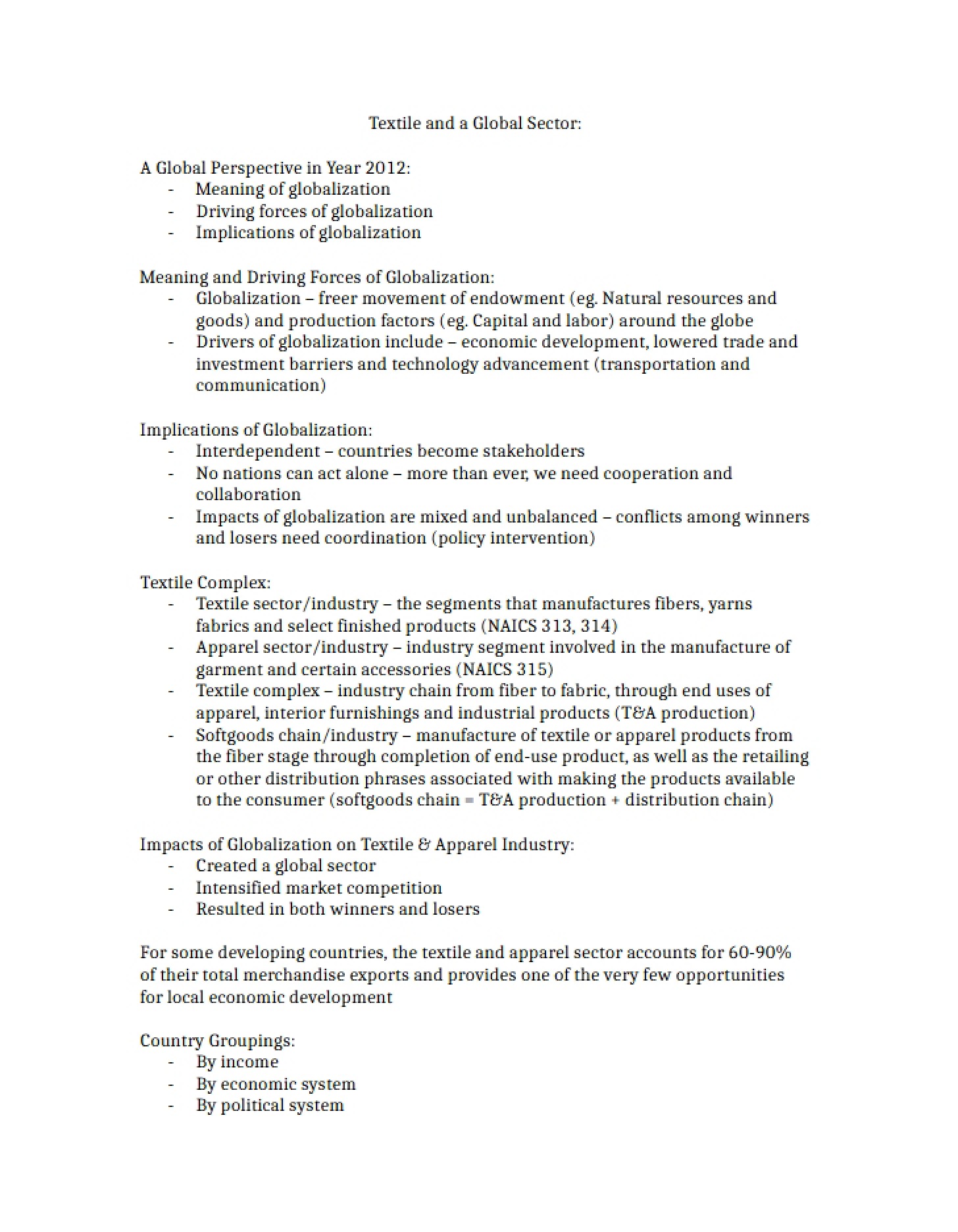
This study guide provides a comprehensive overview of the dynamics shaping global textile and apparel markets. It delves into the geographical distribution of production, the factors influencing employment and wages within the industry, and the patterns of international trade. The material focuses on understanding the complex interplay of economic forces, infrastructure, and trade agreements that define this globally significant sector. It’s designed for students seeking a broad understanding of the industry’s current state and historical shifts.
Why This Document Matters
This resource is invaluable for students enrolled in textile and apparel courses, international business programs, or anyone interested in global supply chains. It’s particularly helpful when preparing for in-depth discussions about globalization, economic development, and the impact of trade policies. Use this guide to build a foundational understanding *before* tackling more specialized topics or case studies. It will help you contextualize current events and industry trends within a larger framework.
Common Limitations or Challenges
While this guide offers a broad perspective, it does not provide detailed statistical data or real-time market analysis. It focuses on overarching trends and key considerations rather than specific figures or predictive modeling. Furthermore, the complexities of informal labor practices and undocumented economic activity are acknowledged as areas where complete data is difficult to obtain, and therefore aren’t fully explored. This is a foundational overview, not a substitute for current market reports.
What This Document Provides
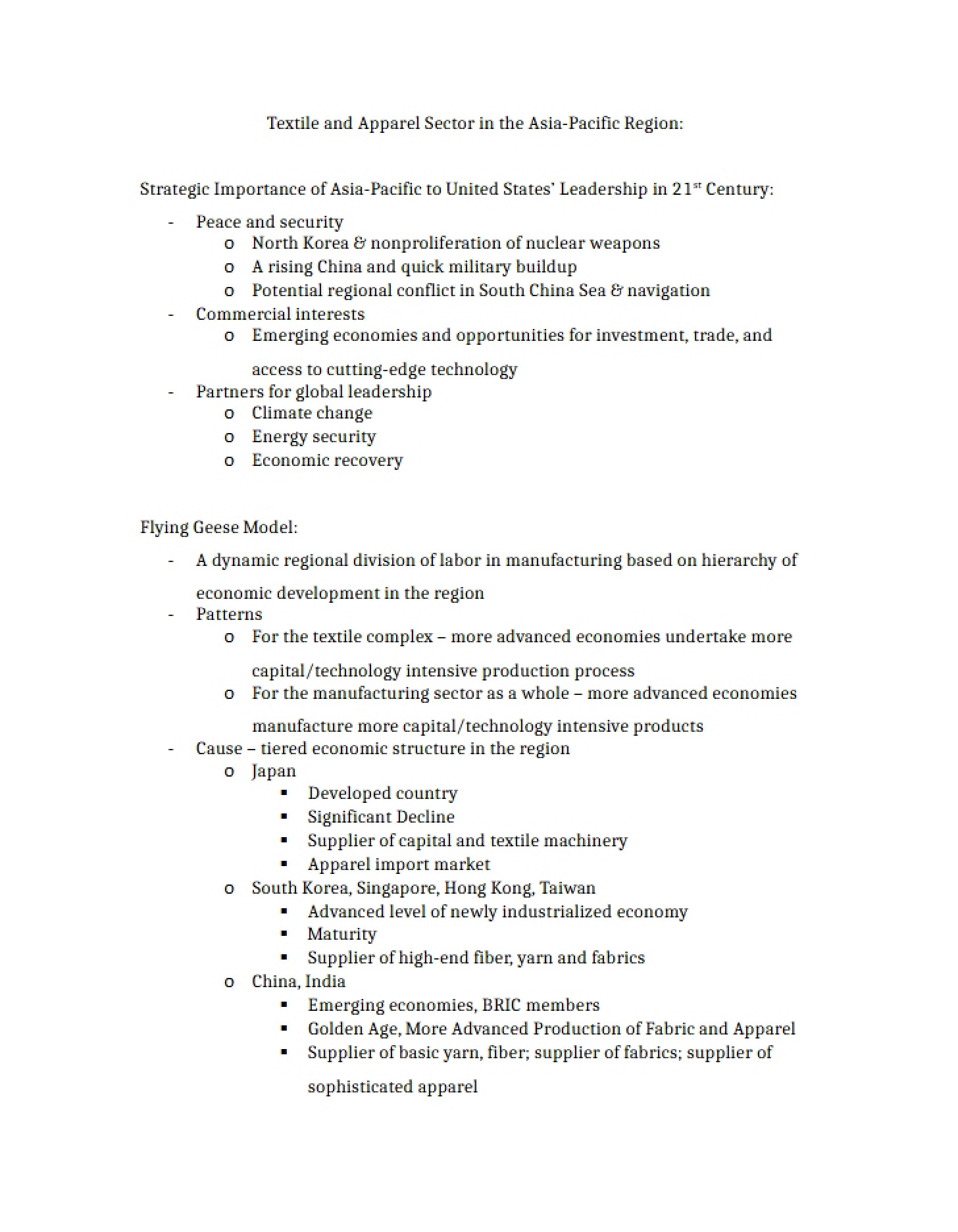
* An examination of the shifting landscape of textile and apparel production across developed, developing, and least-developed countries.
* An exploration of the relationship between employment trends and factors like productivity and investment.
* A discussion of wage disparities and their role in global production shifts.
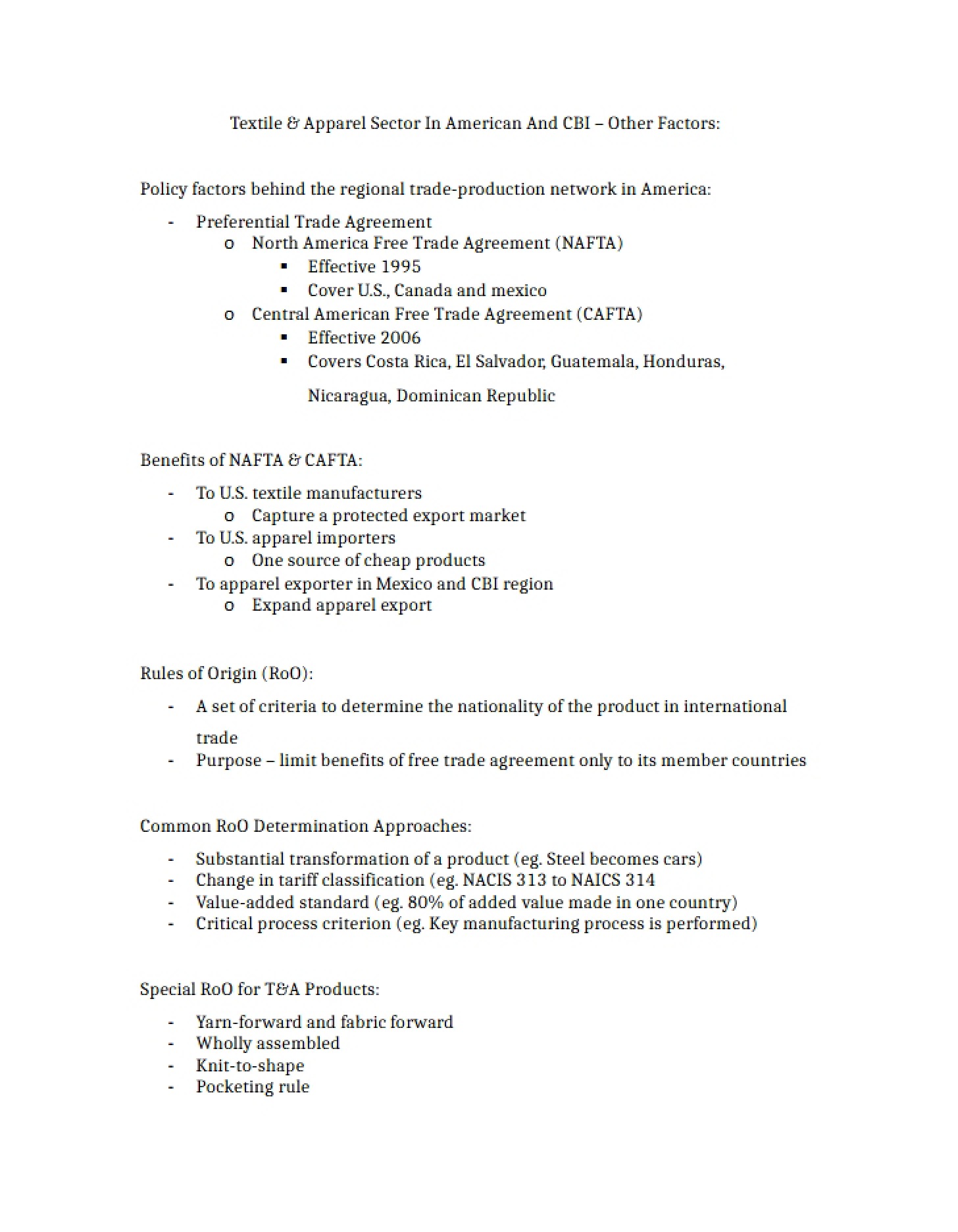
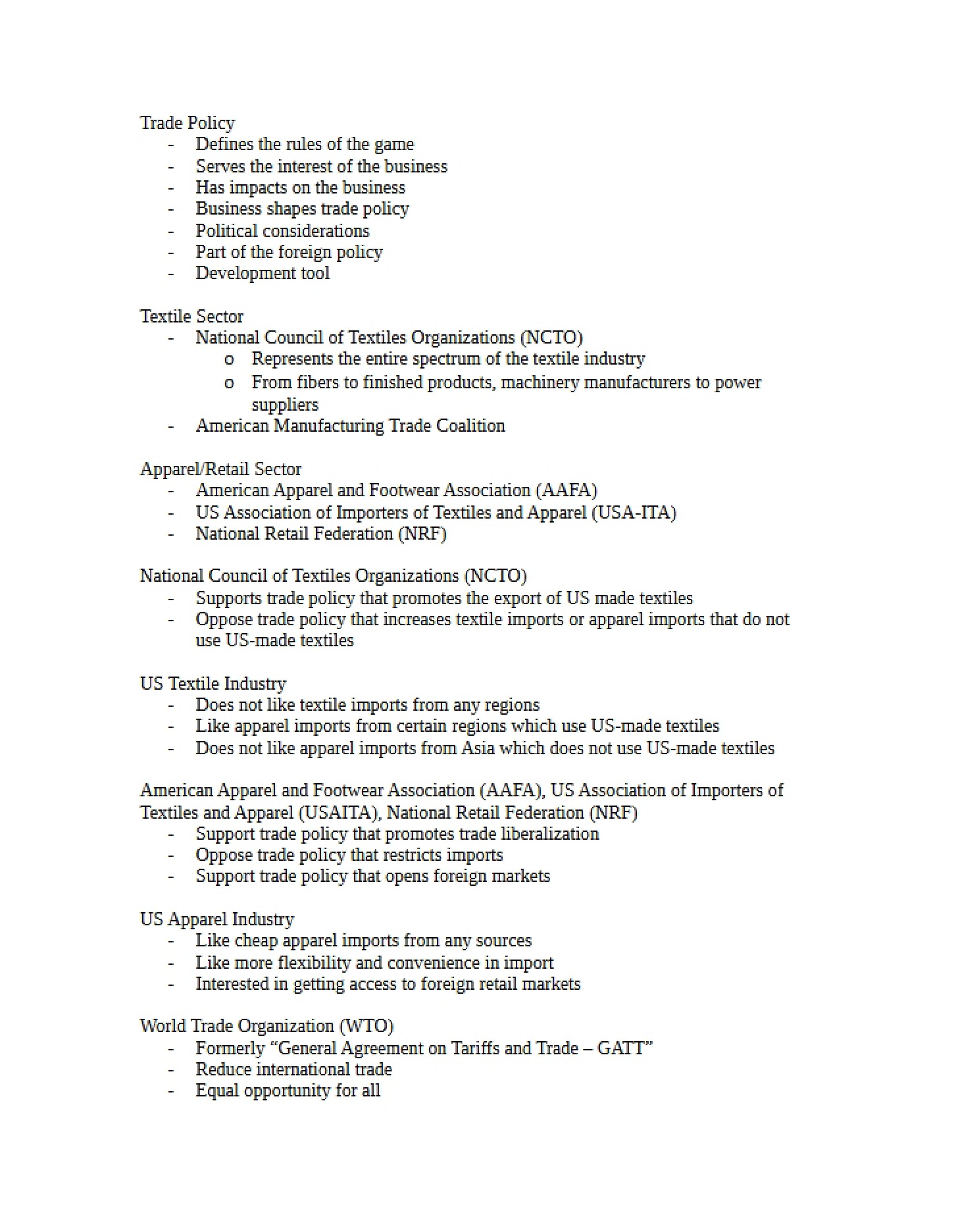
* An overview of the key drivers influencing international trade patterns and the formation of regional trade blocs.
* Identification of leading exporters and importers of textiles and apparel.
* Consideration of the impact of infrastructure and overall business costs on production location decisions.